
Why Attic Ventilation Matters During Summer Heat
By McCoy Roofing
Short Answer:
Attic ventilation helps control heat and moisture inside your roof system. In the summer, poor ventilation can trap extreme heat in the attic, which may shorten roof life, increase cooling strain, and contribute to comfort issues inside the home.
By mid-summer, most homeowners are thinking about air conditioning, utility bills, and keeping the house comfortable. What they may not think about is the space above their ceiling.
Your attic plays a major role in how your home handles summer heat. When it is properly ventilated, hot air has a path to escape and the roof system can perform the way it should. When ventilation is poor, heat gets trapped. Over time, that trapped heat can affect more than comfort.
It can affect the life of the roof itself.
What does attic ventilation actually do?
Attic ventilation allows air to move through the attic space.
A properly designed system typically brings fresh air in through intake vents and allows hot air to exit through exhaust vents. This helps reduce heat buildup in the summer and moisture buildup in colder months.
The goal is not to make the attic cool like the living space. The goal is to keep air moving so heat and moisture do not sit where they can cause problems.
Why does attic ventilation matter more in summer?
Summer heat can make attic temperatures climb quickly.
On hot days, roofing materials absorb heat from the sun. Without proper ventilation, that heat can build inside the attic and remain there for hours. This can make the home harder to cool and put additional strain on the air conditioning system.
It can also increase stress on the roofing materials above. A roof is designed to handle heat, but constant trapped heat from below can accelerate wear over time.
Can poor attic ventilation shorten roof life?
Yes.
Poor attic ventilation can contribute to premature roof aging. When heat is trapped beneath the roof deck, shingles may experience additional stress. Over time, that can contribute to curling, drying, and general deterioration.
Ventilation is not the only factor that determines roof lifespan, but it is an important part of the system. Even quality shingles can underperform if the attic beneath them is not properly ventilated.
A roof is more than shingles. It is a system, and ventilation is part of that system.
How does attic ventilation affect indoor comfort?
Poor ventilation can make the home feel warmer than it should.
When attic heat builds up, it can radiate downward into the living space. This may make upstairs rooms feel hotter, cause certain areas of the home to cool unevenly, or make the air conditioner run longer than expected.
Homeowners often notice the comfort issue before they realize the attic is part of the problem.
What are signs your attic may not be ventilating properly?
Some signs are easy to notice, while others require a closer look.
Homeowners may notice unusually hot upstairs rooms, high cooling costs, or a roof that appears to be aging faster than expected. In some cases, there may be signs of moisture in the attic, dark staining on roof decking, or insulation that appears damp or compressed.
From the outside, blocked vents, missing vents, or an unbalanced ventilation setup can also create problems.
The issue is that ventilation problems are not always obvious from the ground. That is why they are often discovered during a roof inspection.
Is more ventilation always better?
Not necessarily.
Attic ventilation needs balance. The home needs enough intake and enough exhaust for air to move properly. Adding vents without understanding the full system can sometimes make the problem worse instead of better.
For example, too much exhaust without proper intake can pull air from the living space instead of moving outside air through the attic. That is why ventilation should be evaluated as part of the overall roof system, not treated as a simple add-on.
Does attic ventilation matter when replacing a roof?
Absolutely.
A roof replacement is one of the best times to evaluate attic ventilation. If the ventilation system is not working correctly, replacing the shingles alone may not solve the underlying issue.
Good ventilation helps protect the investment in a new roof. It supports shingle performance, helps manage heat and moisture, and gives the roof system a better chance to last as long as possible.
Skipping that conversation can lead to preventable problems later.
When should homeowners have attic ventilation checked?
Homeowners should consider having attic ventilation checked if they notice comfort issues, unusual roof wear, high cooling costs, or moisture concerns in the attic.
It is also worth evaluating during any roof inspection or roof replacement conversation. Ventilation may not be the most visible part of the exterior, but it has a real effect on performance.
Summer heat does not just test your air conditioner. It tests your roof system, too.
A properly ventilated attic helps your home manage heat, protect roofing materials, and maintain better comfort through the hottest part of the year. If your home feels harder to cool than it should, or if your roof appears to be aging faster than expected, attic ventilation may be part of the answer.
Request A Free Inspection!
+ 0% Interest for 24 Months

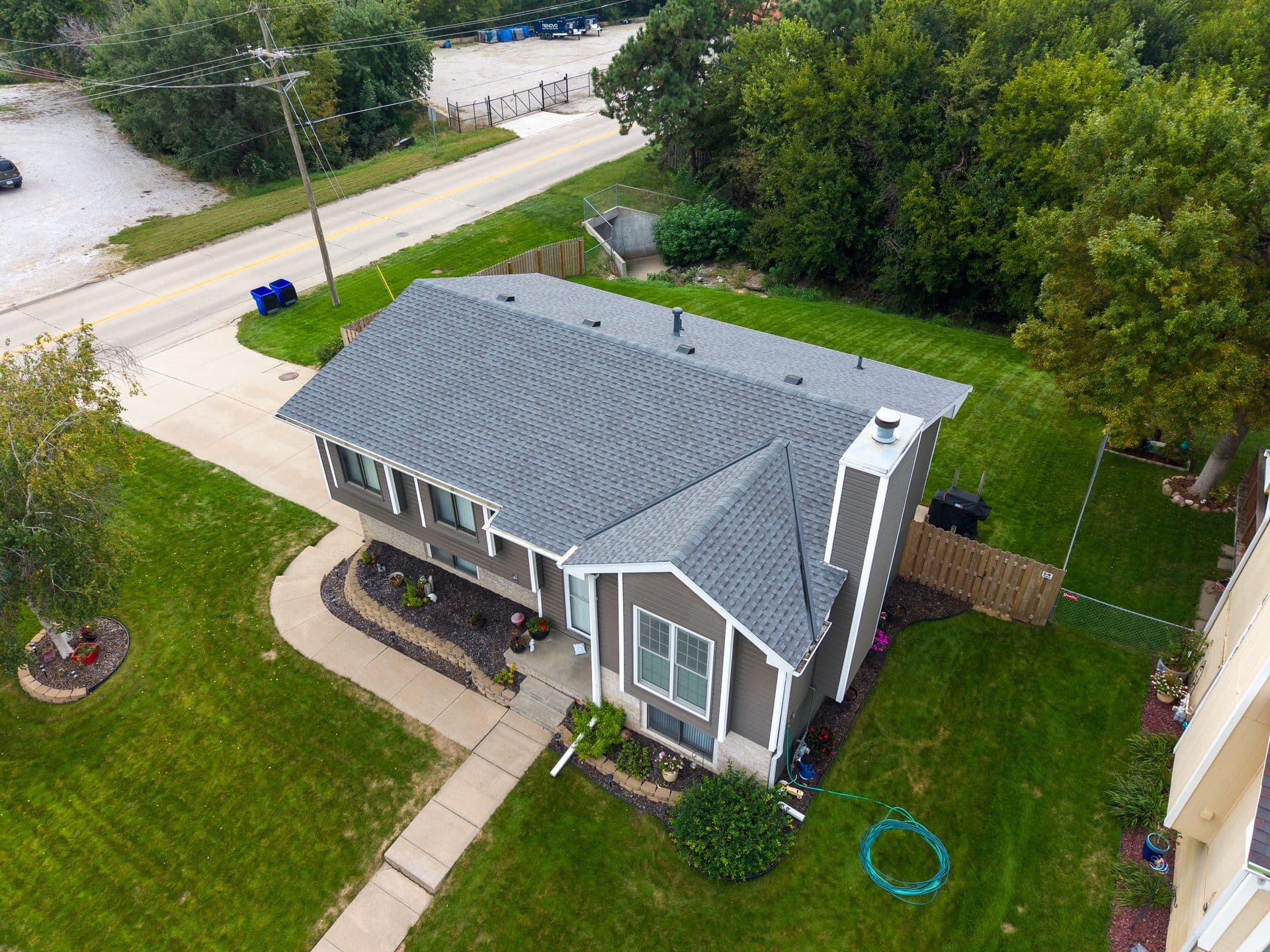

Start With a Free Roofing or Exterior Inspection in the Omaha-Lincoln Area
Begin your home or business upgrade with zero pressure and clear answers. Schedule your free home exterior review today using our easy online form, by phone, or in person at one of our local offices. Discover why so many Omaha and Lincoln neighbors trust McCoy Roofing for clarity, craftsmanship, and service that lasts.
Contact Us
-1213x485.jpg&w=1920&q=75&dpl=dpl_GYMrc4F7ZaFFq7iHFffXS1fRydYL)
Monday - Friday: 8am to 5pm
Monday - Friday: 8am to 5pm
Monday - Friday: 8am to 5pm
Monday - Friday: 8am to 5pm
Charlotte, NC 28210
Monday - Friday: 8am to 5pm