
Can Siding Problems Lead to Water Damage?
Short Answer:
Yes, damaged or poorly installed siding can allow water to get behind your home’s exterior. Over time, that moisture can affect sheathing, insulation, trim, and even interior walls before the problem becomes obvious.
Siding is often thought of as a curb appeal feature. It gives a home color, texture, and style. But siding is also part of the home’s protective shell. Its job is to help manage water, resist weather, and protect the structure underneath.
When siding is cracked, loose, warped, or poorly sealed, it can stop doing that job effectively. The concern is not always what you can see on the surface. It is what may be happening behind it.
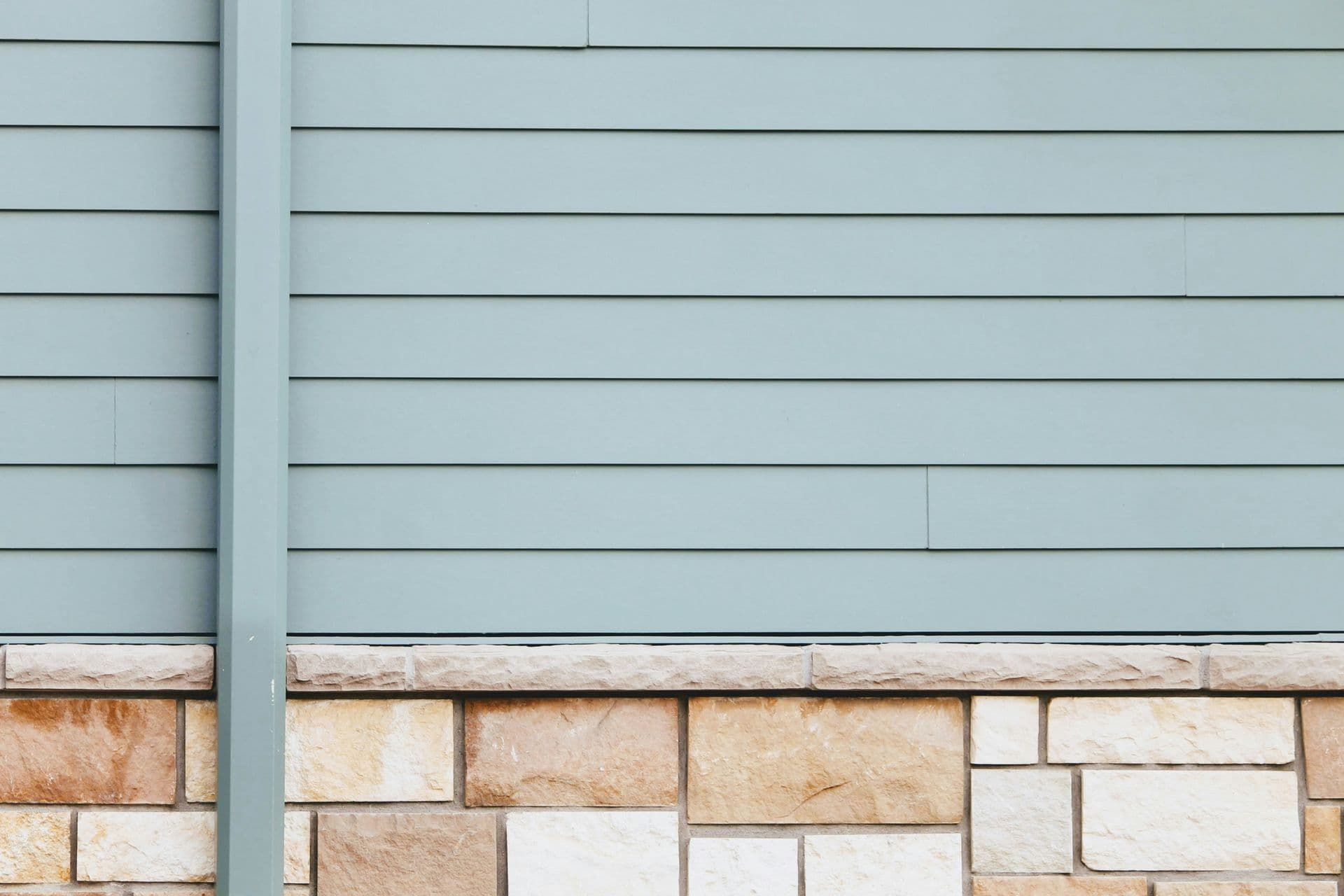
What does siding actually protect?
Siding helps protect the layers of the home beneath it.
A properly installed siding system helps shed water away from the structure. It works with trim, flashing, house wrap, caulking, and drainage details to reduce the chances of moisture getting behind the exterior surface.
That is why siding should not be treated as decoration alone. It is part of a larger system designed to keep weather outside where it belongs.
How does water get behind siding?
Water can get behind siding through small openings that may not look serious at first.
Cracks, loose panels, failed caulking, damaged trim, and gaps around windows or doors can all create entry points. Poor flashing can also allow water to run behind siding instead of directing it away from the home.
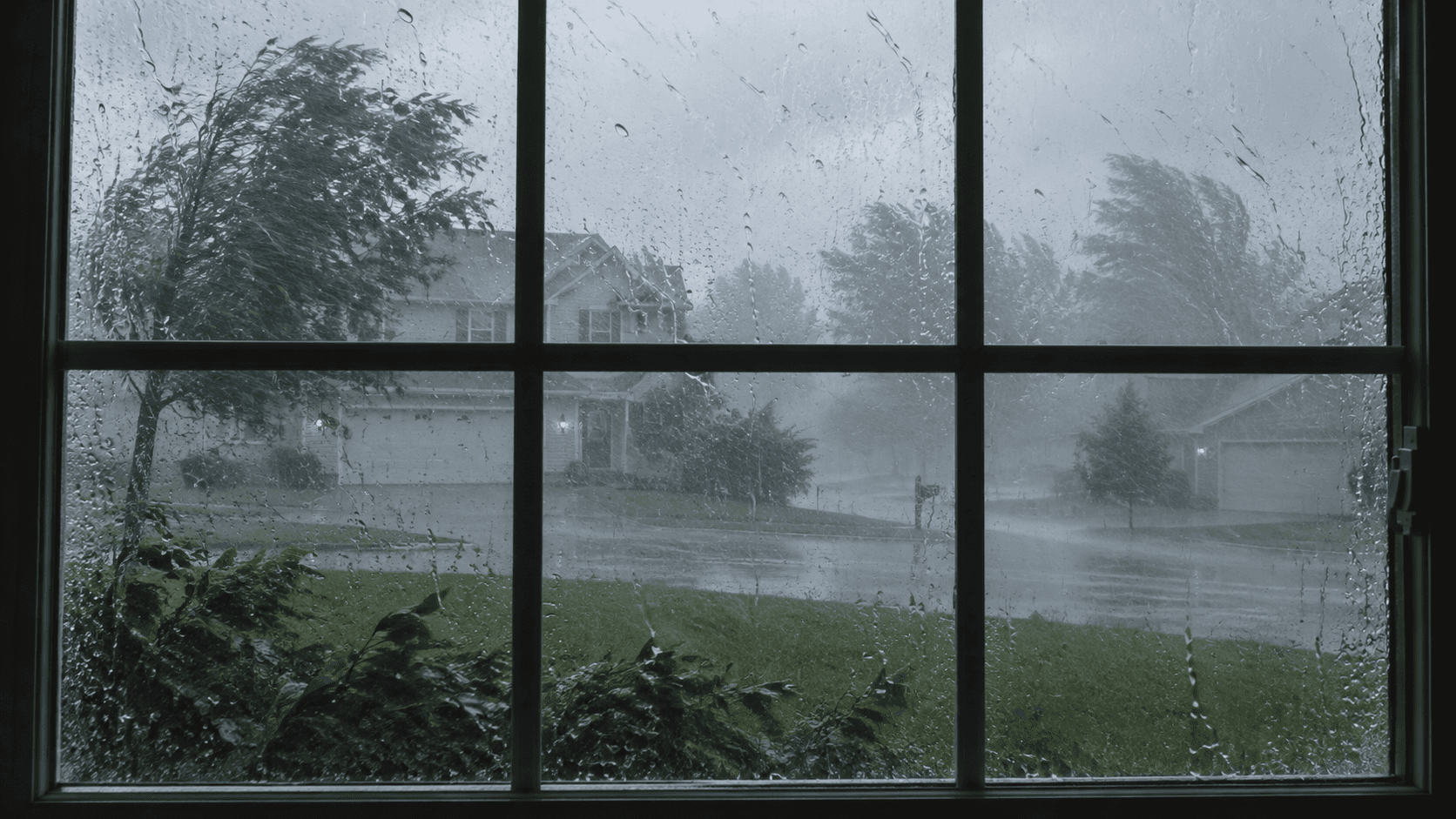
In many cases, the issue starts small. A little water gets in during one storm, then again during the next. Over time, repeated exposure can create a moisture problem that is much larger than the original opening.
What are signs moisture may be getting behind siding?
Some signs show up on the exterior first.
Homeowners may notice siding that appears warped, stained, swollen, or soft in certain areas. Paint around trim may bubble or peel. Caulking may separate around windows, doors, or corners. In some cases, the siding may look uneven or fail to sit flat against the home.
Inside the home, warning signs can include musty smells, unexplained dampness, water stains, or changes in indoor humidity. By the time moisture shows up indoors, it may have already been present behind the exterior for a while.
Can siding look fine and still have water problems behind it?
Yes.
This is one reason siding-related moisture issues can be difficult for homeowners to catch early. The visible surface may look mostly intact while water is entering through a small gap, failed seal, or flashing issue nearby.
Water also travels. The place where moisture appears is not always the place where it entered. A problem around a window, roofline, or trim detail can allow water to move behind the siding before it finally shows up somewhere else.
That is why repeated damp areas, staining, or warping should not be brushed off as cosmetic.
Does old siding increase the risk of water damage?
It can.
As siding ages, it may become more brittle, faded, loose, or less able to handle weather the way it once did. Older siding may also have worn caulking, outdated installation details, or previous repairs that no longer perform well.
Age alone does not always mean siding needs to be replaced. But older siding paired with cracks, gaps, loose sections, or moisture concerns should be taken seriously.
The question is not just how old the siding is. It is whether it is still protecting the home well.
When is a siding repair enough?
A repair may be enough when the damage is isolated and the surrounding siding is still in good condition.
For example, one cracked panel, a small section of loose siding, or a localized trim issue may be repairable. In those cases, addressing the problem early can help prevent moisture from spreading behind the exterior.
However, repairs become less practical when the same issues keep returning or when damage is spread across multiple areas of the home. At that point, the siding may be showing signs of broader failure.
When should homeowners consider siding replacement?
Replacement becomes worth considering when siding is no longer protecting the home consistently.
Widespread cracking, warping, loose panels, repeated repairs, moisture damage, or severe fading can all point to siding that is near the end of its useful life. Replacement may also make sense when older siding cannot be matched well, or when the home’s exterior needs a more complete update.
New siding can improve curb appeal, but the bigger value is protection. A properly installed siding system helps control water, reduce weak points, and preserve the structure underneath.
How does proper siding help prevent future water issues?
Good siding works by managing water before it becomes a problem.
That means more than installing new panels. It includes proper flashing, clean trim details, sealed transitions, and attention to the areas where water is most likely to enter. Windows, doors, corners, rooflines, and penetrations all matter.
When those details are handled correctly, siding does what it is supposed to do: shed water, protect the home, and maintain a clean exterior appearance over time.
Siding problems do not always look urgent at first. A small crack, loose panel, or worn seal may not seem like much on its own. But if water is getting behind the exterior, the damage can build quietly.
Your siding should do more than look good. It should protect what is underneath. If you are seeing signs of wear, moisture, or repeated repairs, it may be time to take a closer look.
Request A Free Inspection!
+ 0% Interest for 24 Months

Start With a Free Roofing or Exterior Inspection in the Omaha-Lincoln Area
Begin your home or business upgrade with zero pressure and clear answers. Schedule your free home exterior review today using our easy online form, by phone, or in person at one of our local offices. Discover why so many Omaha and Lincoln neighbors trust McCoy Roofing for clarity, craftsmanship, and service that lasts.
Contact Us
-1213x485.jpg&w=1920&q=75&dpl=dpl_AkSDiUXSuMdYbW8iPk7kgNRYFzbN)
Monday - Friday: 8am to 5pm
Monday - Friday: 8am to 5pm
Monday - Friday: 8am to 5pm
Monday - Friday: 8am to 5pm
Charlotte, NC 28210
Monday - Friday: 8am to 5pm