
Why One Side of Your House Wears Faster Than the Other
By McCoy Roofing
Short Answer:
One side of your house may wear faster because it gets more sun, wind, rain, shade, or moisture exposure than the rest of the home. Over time, those uneven conditions can affect siding, roofing, windows, trim, paint, and caulking in different ways.
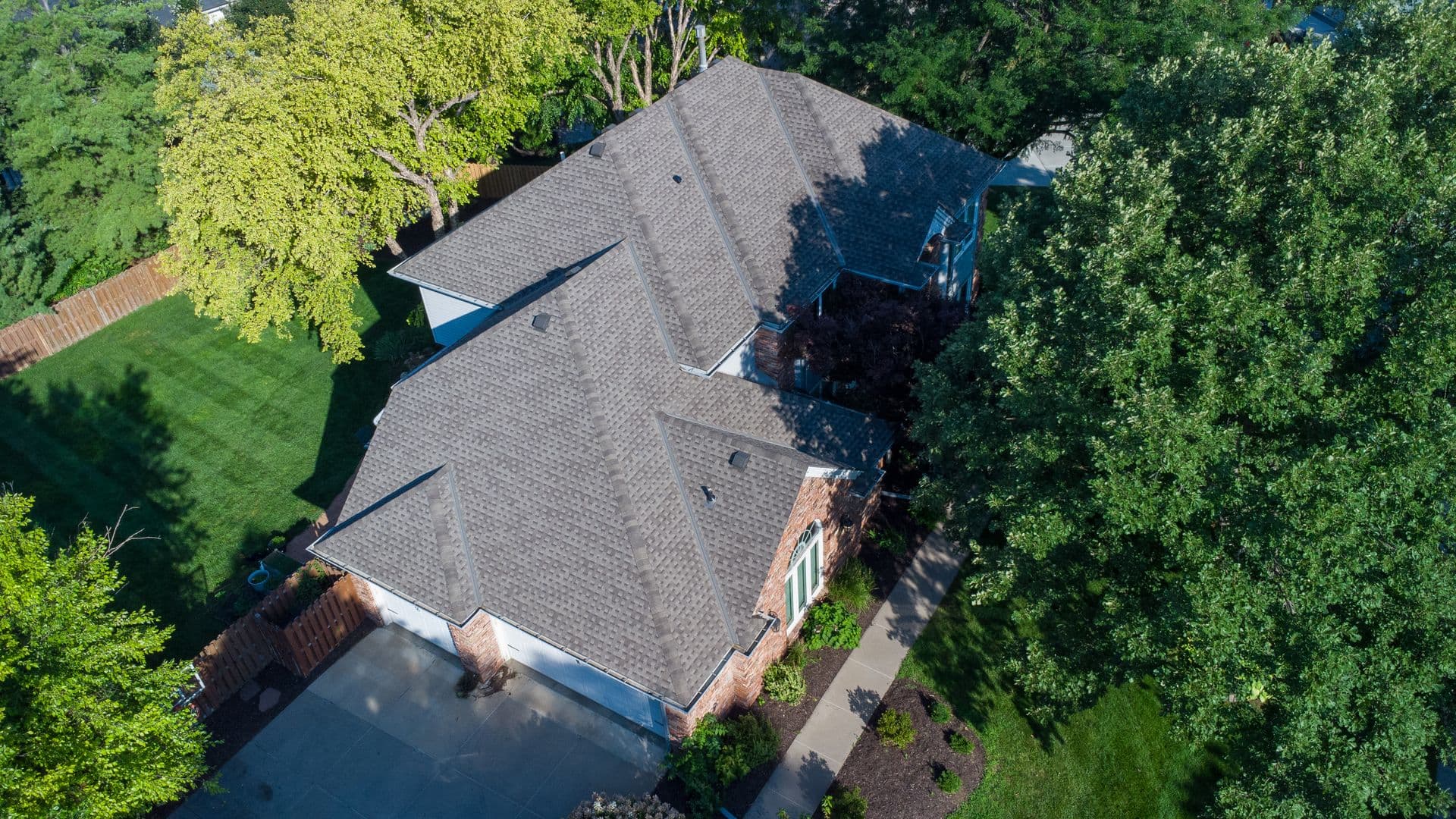
If you have ever noticed that one side of your house looks older than the others, you are not imagining it.
Homes do not wear evenly. One wall may take the full force of afternoon sun. Another may stay damp longer because of shade. One side of the roof may catch more wind-driven rain, while another side may be protected by trees or surrounding structures.
That uneven exposure matters. Over time, the exterior materials on one side of a home can fade, warp, crack, stain, or age faster than the rest.
Why does one side of a house age faster?
Different sides of a home face different conditions.
The south and west sides of a home often receive the strongest sun exposure, especially during the warmer months. That added heat and UV exposure can affect siding color, caulking, paint, and roofing materials over time. The north side of a home may receive less direct sunlight, which can cause it to dry more slowly after rain or heavy humidity.
Neither side is automatically “worse.” They simply experience different kinds of stress.
How does sun exposure affect siding?
Sun exposure can gradually fade siding and dry out exterior materials.
This is especially noticeable on sides of the home that receive long hours of direct sunlight. Over time, colors may fade unevenly, caulking can become brittle, and some siding materials may become more vulnerable to movement or distortion during extreme heat.
Fading alone does not always mean the siding has failed. But severe fading, chalkiness, warping, or brittleness may indicate that the material is aging and should be evaluated more closely.
Can heat cause siding to warp?
Yes, heat can contribute to siding warping in certain situations.
Vinyl siding, in particular, expands and contracts with temperature changes. When it is installed too tightly, exposed to intense reflected heat, or already aging, it may begin to buckle or distort. This does not mean vinyl siding is a poor product. It means installation quality and environmental conditions matter.
Heat-related siding movement is often most noticeable on walls that receive intense afternoon sun or reflected heat from nearby windows, pavement, or neighboring homes.
Why does shade cause problems too?
Shade can create a different kind of wear.
Areas that stay shaded may hold moisture longer after rain, snow, or morning dew. That can contribute to staining, algae growth, mildew, or damp trim. The north side of a home is often more prone to this because it typically receives less direct sunlight throughout the day.
A shaded wall may not fade as quickly as a sun-facing wall, but it may develop moisture-related issues faster.
How do wind and rain affect one side of the home?
Wind-driven rain can put extra pressure on certain sides of a house.
During storms, water does not always fall straight down. Wind can push rain against siding, windows, doors, trim, and rooflines. If one side of the home regularly takes the brunt of those storms, small weaknesses in caulking, flashing, or siding seams may show up there first.
This is one reason homeowners may notice water stains, loose siding, or worn trim on one side of the home before the rest.
Can landscaping make one side of the house wear faster?
Yes.
Trees, shrubs, mulch beds, and drainage patterns can all affect how a home exterior ages. Overgrown landscaping can trap moisture against siding or trim. Trees can create shade that slows drying. Mulch placed too high against the home may hold moisture near the foundation or lower siding.
Good landscaping should improve curb appeal without creating constant moisture exposure against the exterior.
What parts of the home usually show uneven wear first?
Siding, trim, caulking, windows, gutters, and roofing materials often show the first signs.
On sun-facing sides, fading, brittle caulk, and heat-related movement may appear first. On shaded or damp sides, staining, mildew, peeling paint, or soft trim may be more common. Along rooflines, uneven granule loss, staining, or wear may appear based on sun exposure, drainage, and nearby trees.
The important thing is not just noticing one worn spot. It is noticing patterns.
When should homeowners be concerned?
Homeowners should pay attention when one area of the home continues to get worse or when cosmetic wear begins turning into performance concerns.
Fading may be mostly visual. But warping, loose siding, soft trim, cracked caulking, water staining, or repeated damp areas can point to deeper problems. If the same side of the home always seems to need repairs first, there may be an underlying reason worth identifying.
Uneven wear is not always an emergency, but it is useful information.
How can homeowners help prevent uneven exterior wear?
The best approach is regular observation and maintenance.
Keep landscaping trimmed away from siding. Make sure gutters and downspouts are moving water away properly. Watch for caulking that has cracked or pulled away around windows, doors, and trim. If one side of the home gets intense sun, check it more often for fading, warping, or brittle materials. If one side stays shaded and damp, watch for staining, mildew, or soft spots.
Homes wear differently because they face different conditions. Maintenance should account for that.
One side of your house wearing faster than another is not unusual. In many cases, it is simply the result of sun, shade, wind, rain, and moisture doing different things to different parts of the home.
The key is knowing what is normal, what is cosmetic, and what may be a sign of a larger issue. When you understand how your home is exposed, you can take better care of the exterior and catch small problems before they become bigger repairs.
Request A Free Inspection!
+ 0% Interest for 24 Months
Start With a Free Roofing or Exterior Inspection in the Omaha-Lincoln Area
Begin your home or business upgrade with zero pressure and clear answers. Schedule your free home exterior review today using our easy online form, by phone, or in person at one of our local offices. Discover why so many Omaha and Lincoln neighbors trust McCoy Roofing for clarity, craftsmanship, and service that lasts.
Contact Us
-1213x485.jpg&w=1920&q=75&dpl=dpl_HDBABaCsmQ78jg1wuhN8iEsnztX2)
Monday - Friday: 8am to 5pm
Monday - Friday: 8am to 5pm
Monday - Friday: 8am to 5pm
Monday - Friday: 8am to 5pm