
Why Older Asphalt Shingles Become More Vulnerable to Wind
by McCoy Roofing
Short Answer:
Older asphalt shingles can become more vulnerable to wind when their sealant bond weakens or unseals over time. McCoy recommends having older roofs checked after high-wind weather, especially if shingles look lifted, uneven, or loose from the ground.
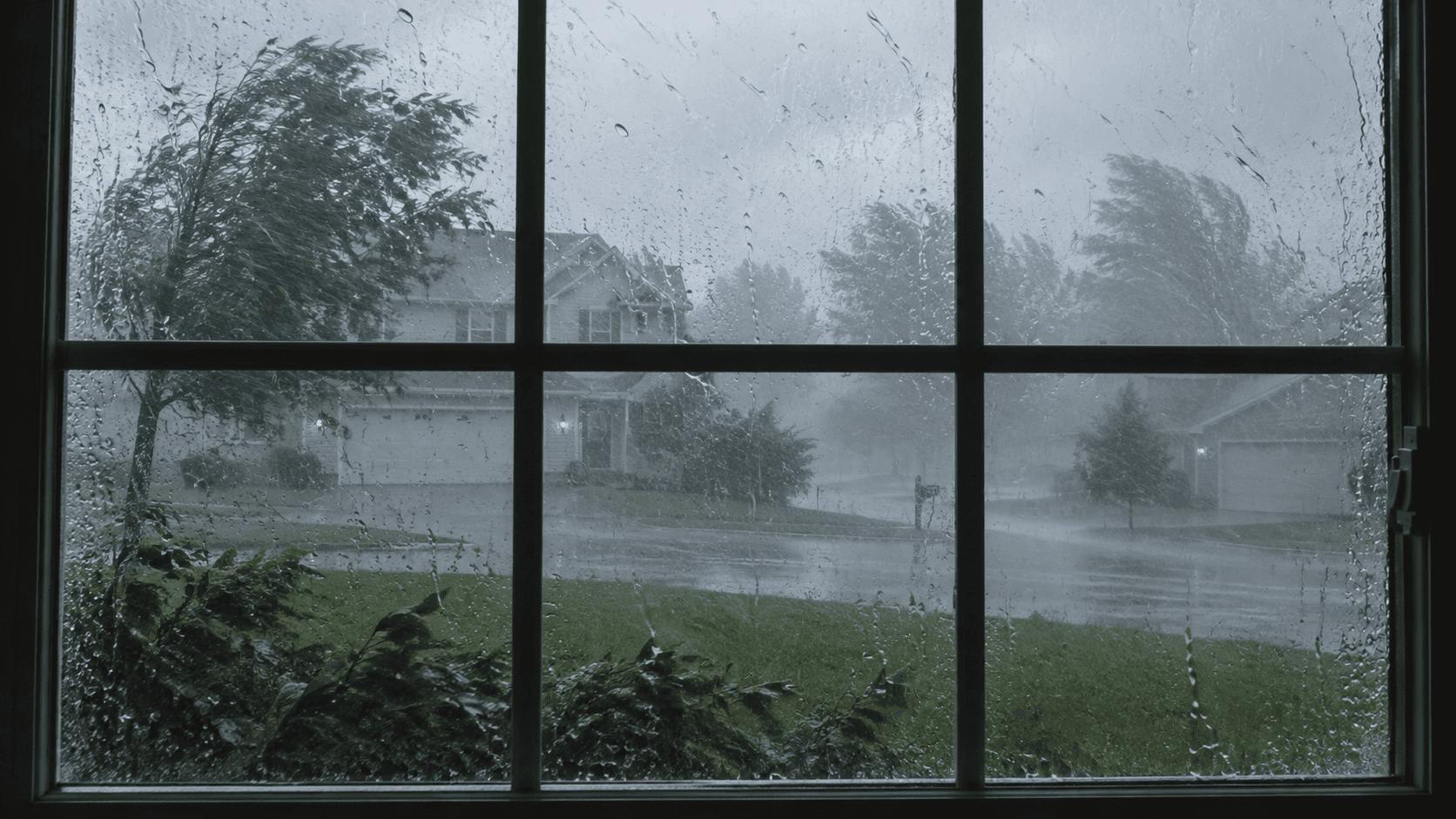
After a wet, windy stretch across eastern Nebraska, many homeowners are paying closer attention to how their roofs handle weather. That is especially true this week, with the National Weather Service Omaha/Valley discussing moisture from the remnants of Hurricane Polo and a broad swath of 3–5 inches of rain expected through Thursday.
But wind performance is not only about the weather happening this week. It is also about the condition of the roof before that weather arrives.
New research from the Insurance Institute for Business & Home Safety shows that asphalt shingles can perform very differently as they age. That matters for Midwest homeowners because roofs here face repeated wind, rain, hail, sun exposure, and temperature swings year after year.
Why does shingle age matter in wind?
Shingles do not perform exactly the same throughout their entire life.
IBHS evaluated asphalt shingles that had naturally weathered for 10 years at sites in South Carolina, Wisconsin, and Ohio, comparing them to baseline shingles and shingles aged five years at the same sites. The research found that while many products’ wind resistance increased during their first few years in service, most began to decline between years five and 10. The rate and severity of that decline varied widely by product.
That is important because a roof can look mostly fine from the ground while still becoming more vulnerable to wind over time. McCoy recommends homeowners pay attention to age, storm history, and visible changes—not just whether the roof appears intact after one weather event.
What does it mean when shingles “unseal”?
Asphalt shingles are designed to seal down to the roof surface.
That sealant bond helps hold shingles flat so wind cannot easily lift them. When shingles lose that bond, or “unseal,” they become more vulnerable during strong wind.
IBHS found that shingle unsealing remains the single greatest driver of wind vulnerability. When shingles lose the sealant bond that holds them flat, they become much more likely to fail in strong winds.
McCoy recommends taking lifted or uneven shingles seriously. If shingles are no longer sealed properly, the roof may be more exposed during the next round of wind, even if no leak has appeared yet.
Can a roof have a high wind rating and still age differently?
Yes.
One of the most important findings from the IBHS research is that initial wind classification does not tell the whole story. IBHS noted that all tested products carried the industry’s highest wind classification under current standards, yet the shingles showed dramatically different performance outcomes after aging.
That does not mean wind ratings do not matter. They do. But it does mean long-term performance depends on more than the label on the package. Product quality, installation, sealant strength, climate exposure, roof orientation, and maintenance all play a role.
McCoy recommends thinking of a roof as a system, not just a product. Even a strong shingle needs proper installation and long-term seal performance to do its job well.
Why does Midwest weather matter?
Midwest roofs do not age in mild, predictable conditions.
They deal with summer heat, winter cold, hail, heavy rain, strong winds, humidity, freeze-thaw cycles, and rapid temperature changes. Over time, those conditions affect roofing materials differently.
IBHS found that geography matters, noting that solar radiation, temperature cycles, latitude, roof orientation, and location influenced how shingles aged and performed over time.
That fits what McCoy sees in the field: two roofs of the same age may not be in the same condition. A roof with more sun exposure, more storm exposure, or poor ventilation may age differently than another roof nearby.
What should homeowners look for after wind and rain?
Start with a safe visual check from the ground.
Look for shingles that appear lifted, curled, missing, uneven, or different from the surrounding roof. Pay attention to roof edges, valleys, vents, chimneys, skylights, and areas where debris collects. Also watch for granules in gutters, water stains inside the home, or signs that flashing has shifted or pulled away.
McCoy recommends documenting anything that looks different after a storm. A few photos can help establish what changed and when, especially if additional weather moves through later.
Homeowners should avoid climbing onto the roof to inspect damage. Wet roofs are dangerous, and many wind-related issues are best evaluated by someone trained to inspect the full roofing system safely.
Does wind damage always show up right away?
Not always.
Some wind-related issues are obvious, like missing shingles. Others are more subtle. A shingle may lift and settle back down. A sealant bond may weaken without a visible gap from the ground. Flashing may loosen just enough to matter during the next storm.
That is why McCoy recommends having older roofs checked after strong wind, especially if the roof has already been through years of hail, heat, and heavy storms.
A roof does not have to fail dramatically to deserve attention. Sometimes the warning sign is simply that it no longer looks or performs the way it used to.
When should homeowners call a professional?
Homeowners should call a professional when they see lifted shingles, missing shingles, roof-edge damage, interior moisture, loose flashing, or repeated debris and granule buildup.
It is also worth scheduling an inspection if the roof is older and has recently been through strong wind or heavy rain. The goal is not to assume the roof needs replacement. The goal is to understand whether it is still sealed, secure, and performing the way it should.
McCoy recommends getting clarity before the next wind event. If shingles are beginning to unseal or lift, waiting may allow a small vulnerability to become a larger repair.
Wind does not affect every roof the same way.
Age matters. Product matters. Installation matters. Climate matters. And according to IBHS, the ability of shingles to stay sealed over time plays a major role in how they perform during strong wind.
For Midwest homeowners, the takeaway is simple: do not judge a roof by age alone, and do not assume a roof is fine just because it made it through the last storm. If shingles are older, lifting, uneven, or showing signs of wear, it is worth taking a closer look before the next round of weather tests them again.
Request A Free Inspection!
+ 0% Interest for 24 Months
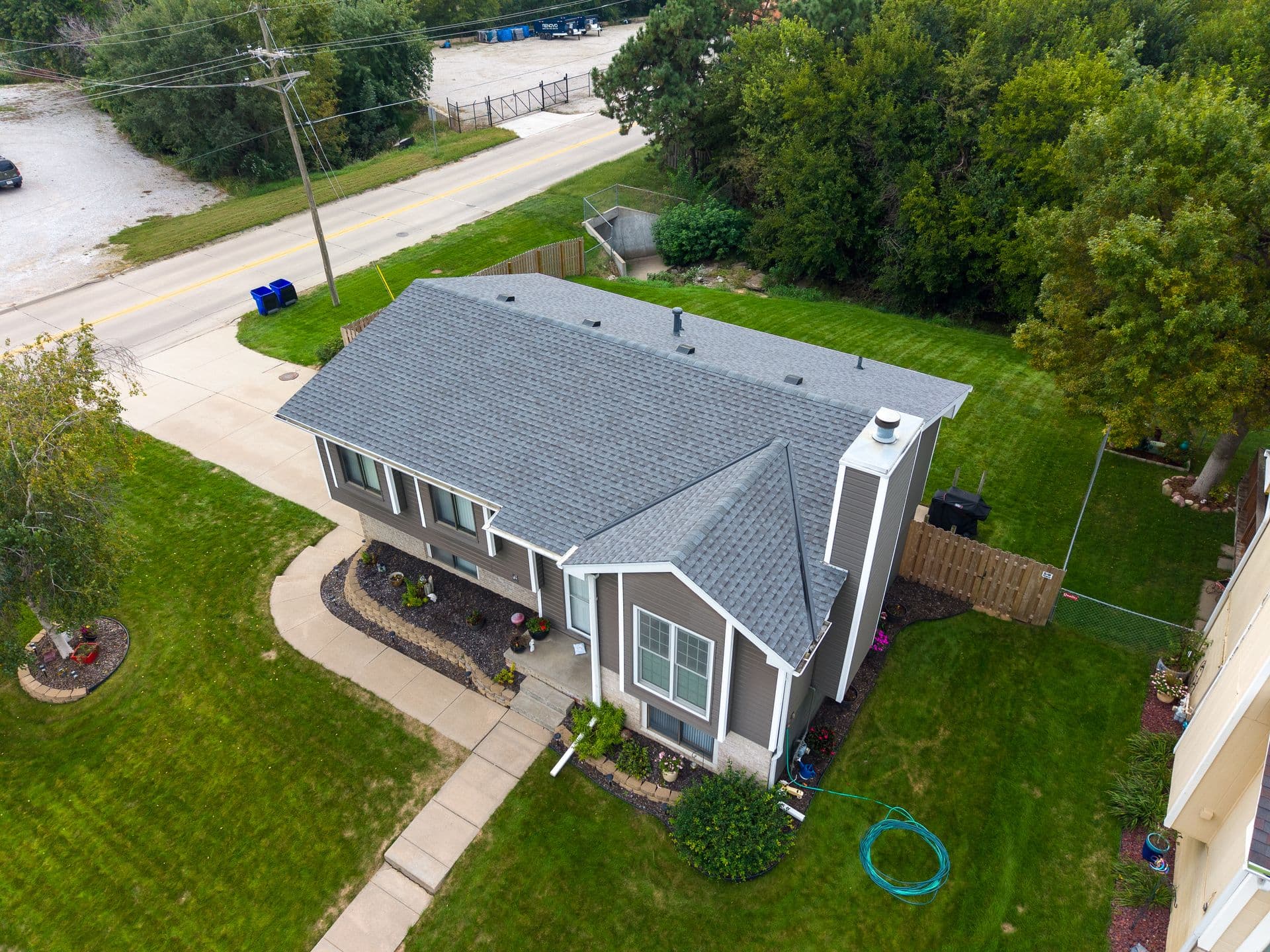

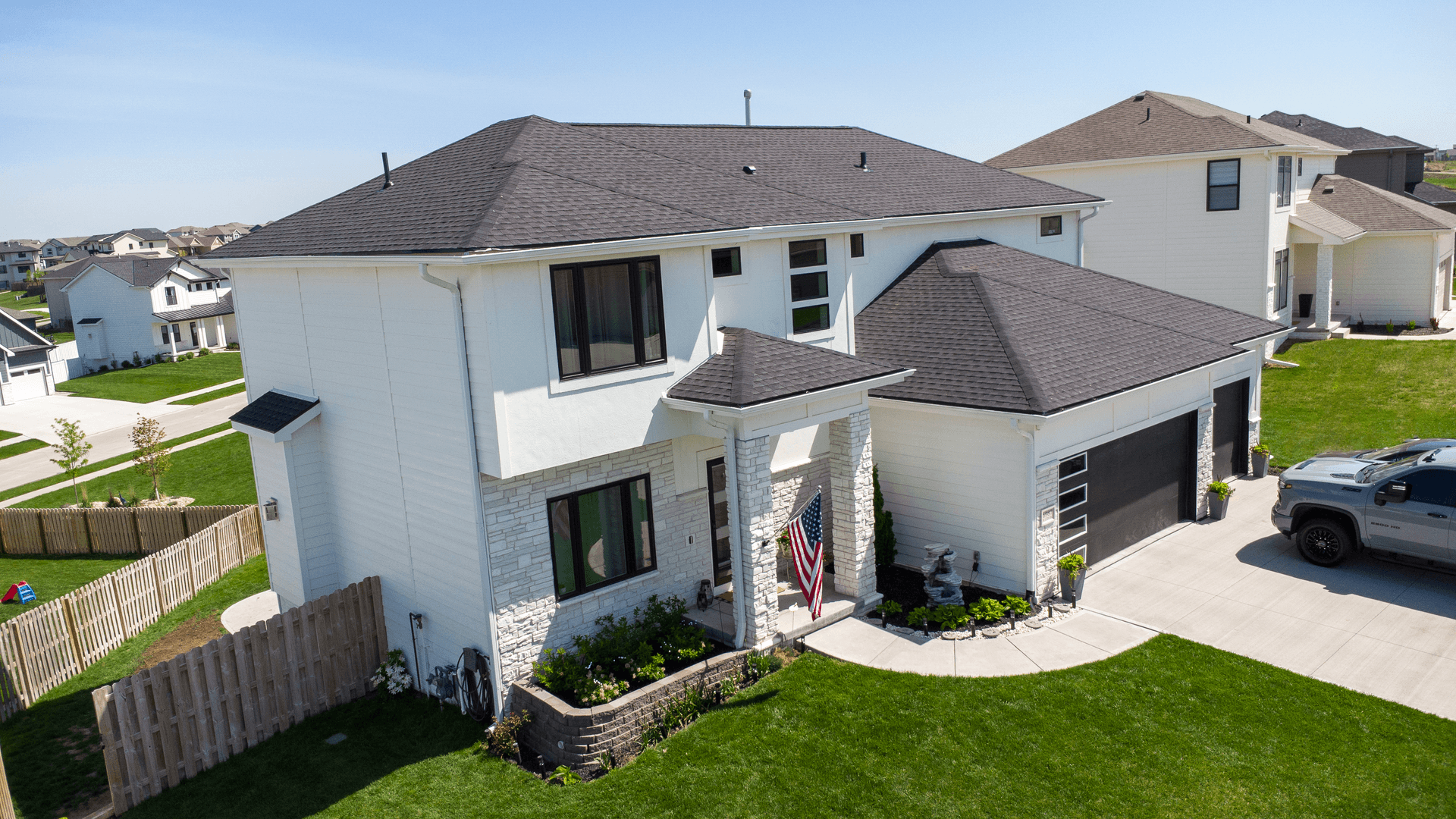
Start With a Free Roofing or Exterior Inspection in the Omaha-Lincoln Area
Begin your home or business upgrade with zero pressure and clear answers. Schedule your free home exterior review today using our easy online form, by phone, or in person at one of our local offices. Discover why so many Omaha and Lincoln neighbors trust McCoy Roofing for clarity, craftsmanship, and service that lasts.
Contact Us
-1213x485.jpg&w=1920&q=75&dpl=dpl_1nyF6WWunygKhWPTFnBCN3KGRTtd)
Monday - Friday: 8am to 5pm
Monday - Friday: 8am to 5pm
Monday - Friday: 8am to 5pm
Monday - Friday: 8am to 5pm
Charlotte, NC 28210
Monday - Friday: 8am to 5pm