
How Do You Know When It's Time to Replace Your Windows?
By McCoy Roofing
Short Answer: It may be time to replace your windows if you notice persistent condensation between glass panes, rotting wood around the frames or sills, uncomfortable drafts, or rooms that struggle to maintain a comfortable temperature. Other warning signs include windows that are difficult to open or close, visible damage, and deteriorating seals. Not every problem requires a new window, but recurring issues may indicate that replacement is the better long-term solution.
Windows are easy to overlook until something starts going wrong.
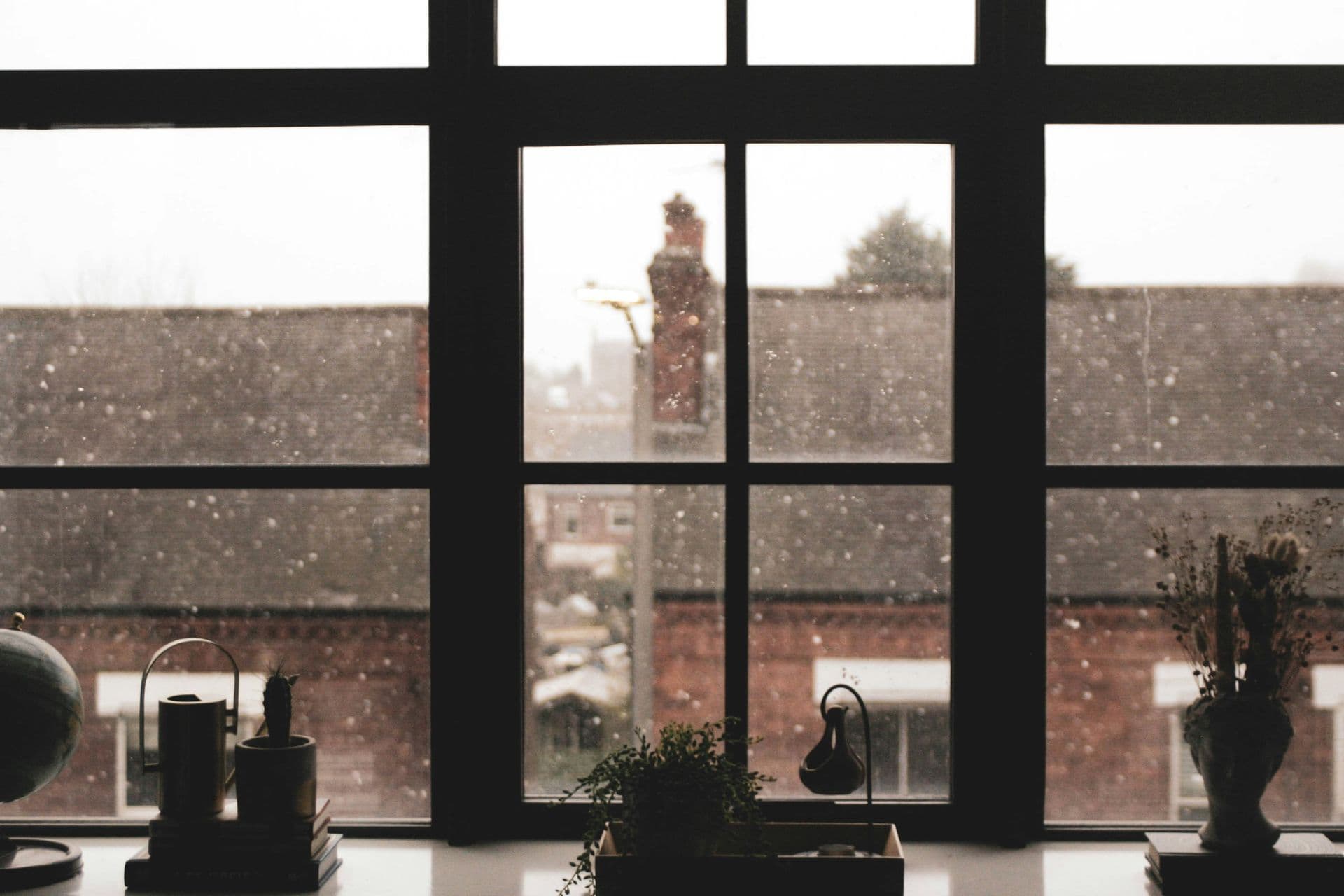
Maybe you notice condensation that never seems to disappear. Perhaps the wood around a window sill feels soft, or a room seems unusually cold even though the heat is running. These problems can develop gradually, making it difficult to know when ordinary maintenance is no longer enough.
As temperatures begin to fall, window problems often become easier to notice. But how do you know whether you need a simple repair or an entirely new window?
McCoy Roofing recommends starting with the warning signs and understanding what they may reveal about the condition of your windows.
Does condensation mean your windows need replacing?
Condensation can be an important warning sign, but where the moisture appears matters.
Condensation on the inside surface of a window is often caused by warm, humid indoor air meeting cooler glass. This does not necessarily mean the window is failing. Even modern, energy-efficient windows can develop interior condensation under certain conditions.
ENERGY STAR explains that water condenses on interior window surfaces when the glass temperature falls below the dew point of the indoor air. Managing indoor humidity and improving ventilation can often help reduce this problem.
However, condensation between the panes of a double- or triple-pane window is a different concern.
Modern insulated windows use sealed glass units with insulating spaces between the panes. When those seals fail, moisture can enter the space and create fogging or condensation that cannot be wiped away.
The U.S. Department of Energy notes that insulated window glazing relies on hermetically sealed glass panes to help reduce heat transfer.
If moisture is trapped between the panes, the insulated glass unit may need replacement. Depending on the window's design and condition, replacing the glass unit alone may be possible. In other cases, replacing the entire window may make more sense.
What does wood rot around window sills mean?
Rotting wood around a window is a warning sign that moisture has been reaching an area where it should not remain.
Wooden window sills, frames, and surrounding trim can deteriorate when exposed to repeated moisture. Early signs may include peeling paint, dark staining, cracking, or wood that feels soft when gently pressed.
Over time, deterioration can affect the window's appearance, operation, and ability to keep water out.
However, wood rot does not automatically mean the window itself is responsible.
Moisture may be entering through failed caulking, damaged flashing, deteriorating trim, or gaps between the window and the surrounding wall. The source of that moisture needs to be identified before repairs or replacement begin.
McCoy recommends having visible rot evaluated rather than simply covering it with fresh paint or caulk. If the window frame has deteriorated significantly, replacement may be necessary. If the damage is limited to surrounding trim, a more targeted repair may be appropriate.
Either way, correcting the source of the moisture is essential to preventing the problem from returning.
Why does your house feel cold even when the windows are closed?
If your home feels colder than it should, your windows may be contributing to the problem.
Older windows, worn weatherstripping, poorly sealed frames, and inefficient glass can allow heat to escape or unwanted air to enter. This may leave certain rooms noticeably colder than others, particularly during windy weather.
But not every cold sensation near a window is caused by an actual air leak.
Cold glass can cool the indoor air next to it, creating air movement that feels like a draft. That means a window can be fully closed and still make the surrounding area uncomfortable.
The Department of Energy explains that window performance depends on several factors, including frame materials, glazing, gas fills, and spacers. These components influence how effectively a window limits heat transfer.
McCoy recommends paying attention to rooms that consistently struggle to stay comfortable, especially if the windows are older or show other signs of deterioration.
Replacing inefficient windows can improve comfort, but insulation, attic air leaks, and HVAC performance may also contribute to uneven temperatures. Identifying the actual cause helps homeowners avoid replacing something that was not responsible for the problem.
Should windows become difficult to open or close?
Windows should operate smoothly and close securely.
If a window regularly sticks, jams, refuses to lock, or requires excessive force to open, its components may be wearing out.
In wooden windows, moisture exposure can cause materials to swell or deteriorate. Other windows may develop problems with hardware, tracks, balances, or frames.
Sometimes these issues can be corrected through maintenance or replacement parts. However, a severely warped or deteriorated frame may indicate that the window is approaching the end of its useful life.
McCoy recommends addressing windows that no longer operate or lock properly, particularly in bedrooms where windows may serve as emergency escape openings.
Are rising energy bills a sign that your windows need replacing?
They can be, although energy bills alone are not enough to diagnose window problems.
Windows influence how much heat enters and leaves a home. Older single-pane windows or deteriorating insulated windows may allow more heat transfer than modern energy-efficient products.
That can increase the work required from your heating and cooling systems.
ENERGY STAR notes that air can leak in or out of your house around windows, doors, skylights, and other openings. Sealing those gaps can improve comfort and help reduce energy waste.
However, rising utility bills can also result from changing energy prices, HVAC issues, insulation problems, or changes in household energy use.
McCoy recommends considering energy efficiency alongside other warning signs. If your windows are drafty, deteriorating, difficult to operate, and contributing to uncomfortable rooms, replacement may be worth evaluating.
Can you repair your windows instead of replacing them?
Absolutely. Not every window problem requires a full replacement.
Worn weatherstripping, damaged caulking, loose hardware, and certain glass problems can sometimes be repaired without replacing the entire window.
For example, a draft caused by a small gap around an otherwise sound frame may only require appropriate air sealing. A failed insulated glass unit may be replaceable while retaining the existing frame.
However, repeated repairs may become less practical when the window has multiple problems. A deteriorating frame, recurring moisture intrusion, poor thermal performance, and unreliable operation can make replacement a more sensible long-term investment.
McCoy recommends evaluating the overall condition of the window rather than focusing on one symptom.
When is replacing your windows the better long-term solution?
Window replacement becomes worth considering when problems are persistent, widespread, or affecting more than one aspect of the window's performance.
A little interior condensation during a cold morning may be normal. But condensation trapped between glass panes, rotting frames, recurring drafts, and windows that no longer operate properly suggest something more significant.
Replacement also provides an opportunity to consider improved glass technology, frame materials, energy efficiency, and exterior appearance.
Modern replacement windows offer a range of features designed to help control heat transfer, manage solar heat gain, and improve comfort. The best choice depends on your climate, the home's design, and what you want the new windows to accomplish.
For homeowners in colder markets such as Omaha, Lincoln, Des Moines, and Sioux Falls, limiting winter heat loss may be a priority. In Charlotte, managing summer heat gain and cooling demands may be equally important.
McCoy recommends evaluating window performance, installation quality, and the surrounding exterior conditions together. Even a high-quality replacement window needs proper installation and water management to perform as intended.
How can homeowners know for sure if they need new windows?
The best first step is understanding the condition of your existing windows.
Look for recurring condensation between panes, visible wood rot, damaged frames, difficult operation, drafts, and rooms that are consistently uncomfortable.
If these problems appear repeatedly or affect several windows, a professional evaluation can help determine whether repairs are sufficient or replacement would provide a better long-term solution.
At McCoy Roofing, our free Home Exterior Reviews help homeowners understand the condition of their windows and surrounding exterior. Our team can explain what we find, discuss available options, and help you determine the next step without unnecessary pressure.
Your windows should do more than provide a view. They should help keep your home comfortable, protect against the weather, and operate reliably.
If your windows are showing signs that they can no longer do those jobs well, it may be time to consider an upgrade.
Request A Free Inspection!
+ 0% Interest for 24 Months
Start With a Free Roofing or Exterior Inspection in the Omaha-Lincoln Area
Begin your home or business upgrade with zero pressure and clear answers. Schedule your free home exterior review today using our easy online form, by phone, or in person at one of our local offices. Discover why so many Omaha and Lincoln neighbors trust McCoy Roofing for clarity, craftsmanship, and service that lasts.
Contact Us

Monday - Friday: 8am to 5pm
Monday - Friday: 8am to 5pm
Monday - Friday: 8am to 5pm
Monday - Friday: 8am to 5pm
Charlotte, NC 28210
Monday - Friday: 8am to 5pm