
Does a Warmer Winter Mean Fewer Roof Problems?
By McCoy Roofing
Short Answer: Not necessarily. A warmer-than-average winter may reduce some cold-weather risks, but it does not eliminate snow, ice, wind, rain, or freeze-thaw cycles. Roofing problems depend on individual weather events, existing roof conditions, drainage, and how well the roofing system handles moisture. McCoy recommends preparing your roof for winter regardless of the seasonal temperature outlook.
A warmer winter sounds like good news, especially for homeowners who have endured their share of Midwest winters.
Fewer bitterly cold mornings, less time shoveling snow, and perhaps a little relief from winter's usual extremes would certainly be welcome. But does warmer weather mean your roof will have an easier season?
Not necessarily.
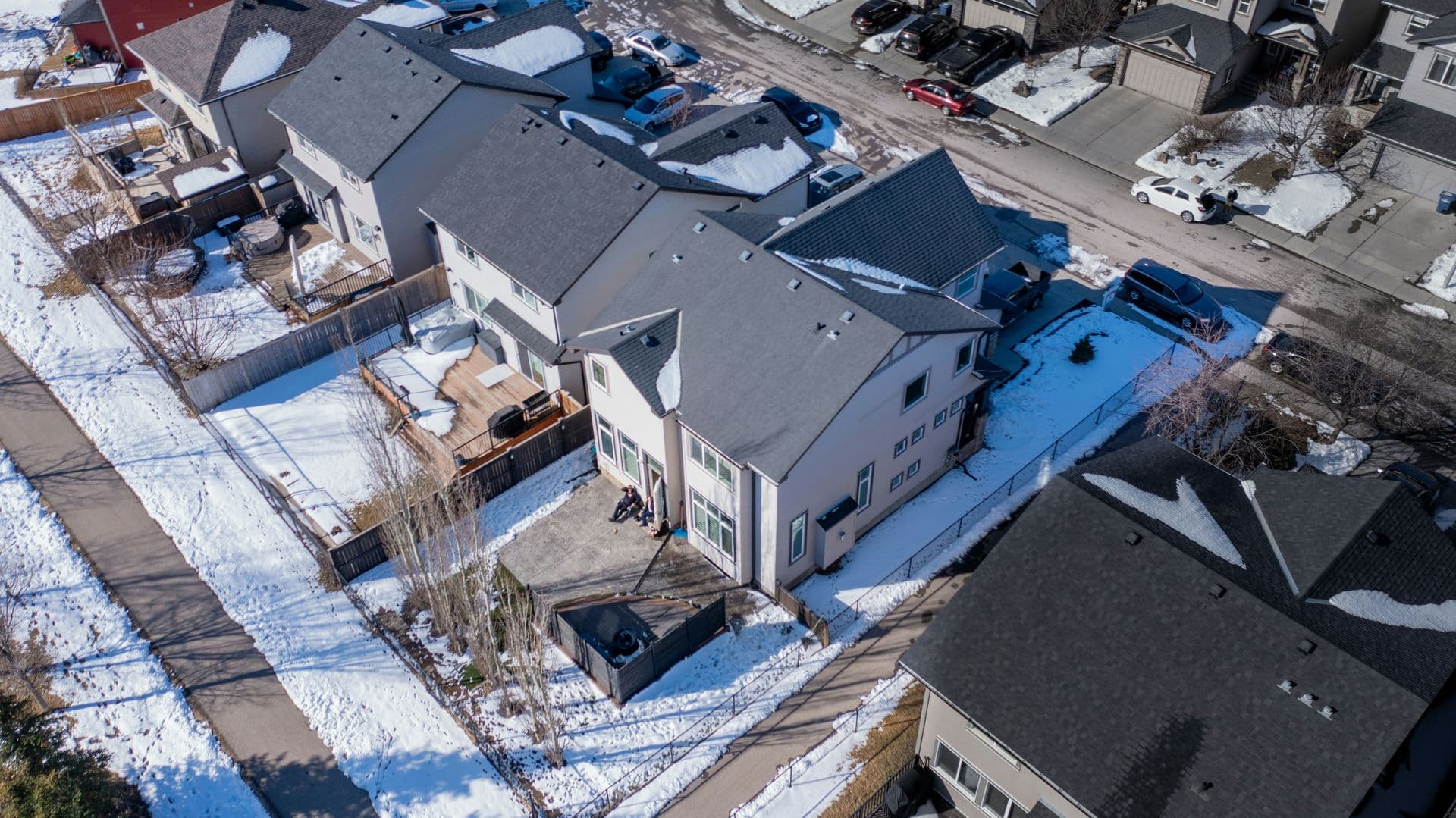
According to NOAA's 2026–2027 U.S. Winter Outlook, warmer-than-average temperatures are favored across much of the Midwest this winter, influenced in part by a strong El Niño. Meanwhile, wetter-than-average conditions are favored across the southern United States and East Coast.
For homeowners in Omaha, Lincoln, Sioux Falls, Des Moines, and Charlotte, these predictions raise an important question: What does a warmer winter actually mean for your roof?
Does a warmer winter mean less snow and ice?
Not necessarily. Warmer-than-average temperatures do not mean every winter day will be above freezing.
NOAA's seasonal outlook describes the likelihood of temperatures averaging above or below normal over several months. It does not predict exactly how many snowstorms will occur or how much snow will fall in a particular neighborhood.
A winter can finish warmer than average and still include significant snowfall, freezing rain, and periods of extreme cold. A few unusually warm stretches can influence the seasonal average without preventing individual winter storms.
That distinction matters because a roof responds to the conditions happening on a particular day, not the season's average temperature.
Can warmer winter temperatures actually create roofing problems?
Yes, particularly when temperatures repeatedly rise above and fall below freezing.
During a thaw, snow or ice on the roof can melt and begin moving downward. If temperatures drop again, that water can refreeze at roof edges, gutters, and other colder surfaces.
These repeated changes are known as freeze-thaw cycles.
Freeze-thaw conditions are especially concerning when water becomes trapped in vulnerable areas. Existing gaps, damaged flashing, or drainage problems may allow moisture to linger rather than move safely away from the home.
McCoy recommends paying attention to how your roof handles melting snow and winter rain. Water should have a clear path off the roof, through the gutters, and away from the home.
Could a warmer winter still cause ice dams?
Absolutely. Ice dams do not require an entire winter of extreme cold.
They can form when snow melts on a warmer portion of the roof and refreezes near the colder eaves. As ice accumulates, additional melting snow may back up behind it, potentially allowing water to work beneath roofing materials.
The U.S. Department of Energy explains that freeze-thaw cycles can lead to the formation of ice dams, particularly when attic heat contributes to uneven snowmelt.
This is why attic insulation, air sealing, ventilation, and proper roof installation matter during winter.
McCoy recommends taking recurring icicles, ice buildup near roof edges, and signs of interior moisture seriously. Not every icicle indicates an ice dam, but repeated ice accumulation deserves closer attention.
What about winter rain instead of snow?
Rain is not necessarily easier on a roof simply because temperatures are warmer.
During winter, rain can expose problems around flashing, roof penetrations, valleys, skylights, and areas where shingles have become loose or damaged.
If water is entering through a vulnerable area, the absence of snow does not make that opening any less important.
This is particularly relevant for homeowners in Charlotte, where NOAA's winter outlook favors wetter-than-average conditions along the East Coast. For Midwest markets, the seasonal precipitation forecast is less conclusive, so homeowners should not assume either an unusually wet or unusually dry winter.
McCoy recommends looking at the condition of the roof rather than relying on the forecast alone. A properly functioning roofing system should be prepared to manage moisture whether it arrives as rain, snow, or melting ice.
Does a warmer winter mean less wind damage?
No. Seasonal temperature predictions do not tell homeowners how windy the winter will be.
Strong winds can occur during mild weather just as they can during extreme cold. A winter storm does not need to bring heavy snow to create roofing concerns.
Wind can exploit shingles that are already loose, lifted, or improperly sealed. Older roofing materials may also be more vulnerable if years of weather exposure have weakened their ability to remain secured.
McCoy recommends checking for visible changes after significant wind events, regardless of the temperature. Missing shingles, uneven roof edges, damaged flashing, or debris in the yard can all warrant a professional inspection.
Are older roofs more vulnerable during a warmer winter?
They can be, but age alone does not determine how well a roof will perform.
An older roof may already have worn shingles, weakened sealant bonds, deteriorating flashing, or previous storm damage. Warmer temperatures do not correct those existing conditions.
A roof that has experienced years of Midwest weather may encounter problems during winter rain, wind, or intermittent freezing conditions even without a major snowstorm.
That is why McCoy recommends considering a roof's overall condition, installation, maintenance history, and previous storm exposure rather than judging its durability by age alone.
What should homeowners do before a potentially warmer winter?
The preparation is largely the same as it would be for any other winter.
Homeowners should check for visible shingle damage, make sure gutters and downspouts are clear, look for loose or damaged flashing, and pay attention to areas where water may collect.
Attic conditions deserve consideration as well. The Department of Energy notes that a properly sealed and insulated attic can help prevent ice dams. Appropriate ventilation also plays a role in managing attic temperature and moisture.
McCoy recommends scheduling a professional inspection when a roof shows signs of wear, has experienced recent storm damage, or has a history of leaks or recurring ice buildup. Homeowners should avoid climbing onto wet, snowy, or icy roofs to investigate problems themselves.
The goal is not to prepare for the worst possible winter. It is to make sure the roof is ready for the conditions that actually arrive.
So, is a warmer winter good news for homeowners?
In some ways, yes.
A warmer winter could mean less prolonged exposure to extreme cold and potentially fewer problems associated with persistent snow and ice in some locations.
But it would be a mistake to interpret a warmer forecast as a guarantee of fewer roofing problems.
Winter weather is complicated, particularly in the Midwest, where conditions can change dramatically over a short period. One week may feel like early spring while the next brings freezing rain, snow, or strong winds.
For homeowners, the most important question is not whether this winter will be warmer than average. It is whether their roof is prepared for whatever weather arrives.
A warmer winter may offer some relief, but a well-maintained roofing system remains your home's best protection against the elements.
Request A Free Inspection!
+ 0% Interest for 24 Months
Start With a Free Roofing or Exterior Inspection in the Omaha-Lincoln Area
Begin your home or business upgrade with zero pressure and clear answers. Schedule your free home exterior review today using our easy online form, by phone, or in person at one of our local offices. Discover why so many Omaha and Lincoln neighbors trust McCoy Roofing for clarity, craftsmanship, and service that lasts.
Contact Us

Monday - Friday: 8am to 5pm
Monday - Friday: 8am to 5pm
Monday - Friday: 8am to 5pm
Monday - Friday: 8am to 5pm
Charlotte, NC 28210
Monday - Friday: 8am to 5pm