
How Do You Know When It’s Time to Replace Your Siding?
Short Answer:
It may be time to replace your siding if you notice cracking, warping, loose panels, moisture damage, rising maintenance needs, or fading that no longer improves with cleaning. Siding is more than curb appeal—it helps protect the home underneath.
Siding is one of the first things people notice about a home, but it is also one of the easiest exterior systems to overlook. As long as it is still attached and mostly intact, many homeowners assume it is doing its job.
That is not always the case.
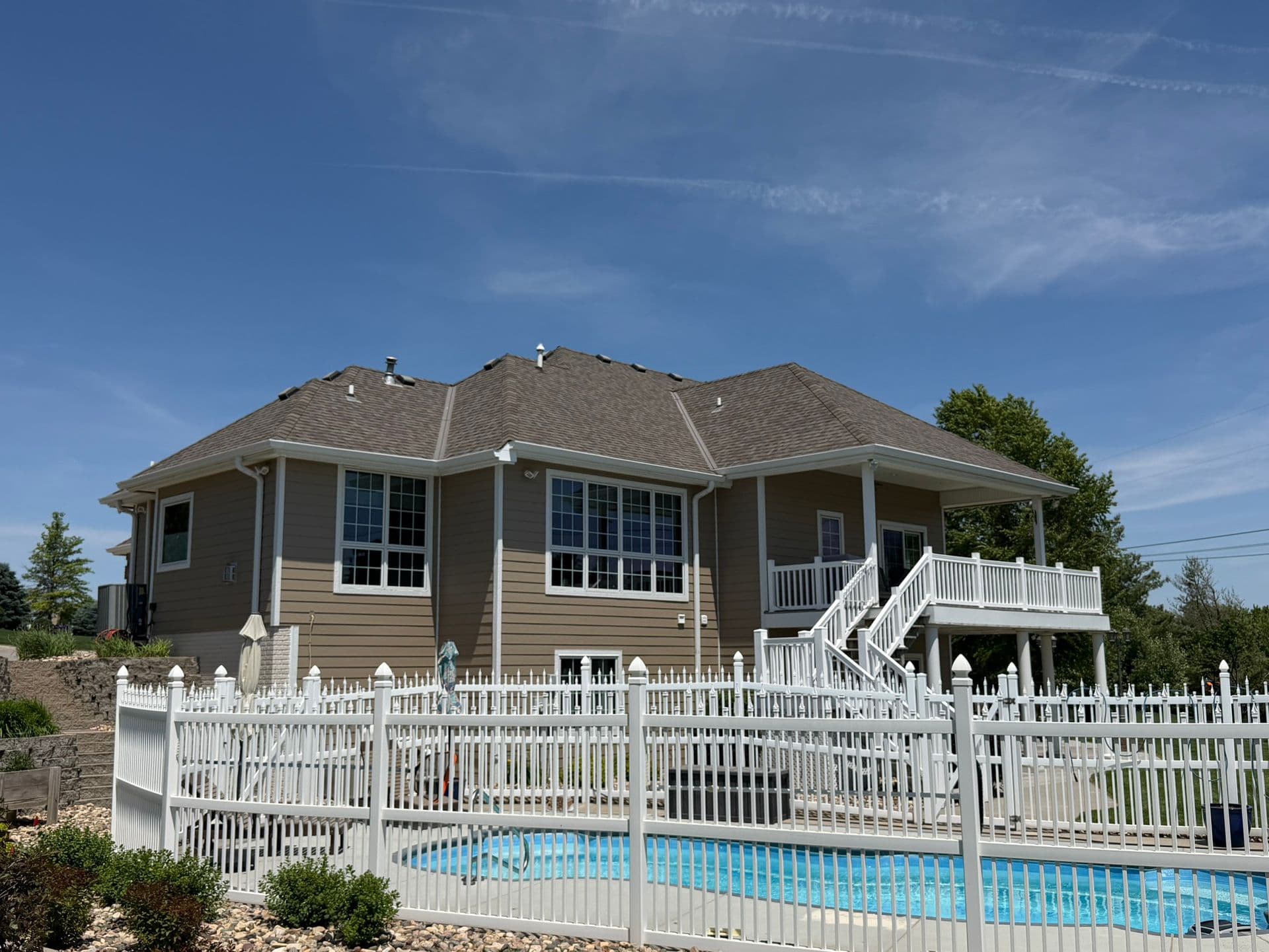
Siding protects the structure of the home from moisture, wind, pests, and seasonal weather. When it begins to fail, the signs can start small before becoming more expensive problems. Knowing what to look for can help homeowners decide whether their siding needs a simple repair, a closer inspection, or full replacement.
What are the most common signs siding needs to be replaced?
The most common signs include cracking, warping, loose panels, soft spots, fading, and areas where the siding no longer sits flat against the home.
One small issue does not always mean the siding needs to be replaced. But when problems show up in multiple areas, or when the siding is clearly no longer protecting the home consistently, replacement may be the better long-term option.
The key is looking at the overall condition, not just one visible flaw.
Is cracked or warped siding a serious problem?
It can be.
Cracked or warped siding may allow moisture to get behind the exterior surface. Once water gets behind siding, it can affect sheathing, insulation, and trim before the homeowner notices anything inside.
Warping can also be a sign that the material has been exposed to heat, moisture, or poor installation conditions. If the siding is distorted in several areas, it is worth having the exterior evaluated.
Siding should shed water away from the home. When it no longer does that cleanly, the risk increases.
Does faded siding mean it needs to be replaced?
Not always.
Fading is often cosmetic at first, especially with older siding that has spent years in direct sunlight. However, heavy fading can be a sign that the material is aging and losing some of its original resilience.
If fading is uneven, severe, or paired with brittleness, cracking, or chalky residue, it may point to siding that is nearing the end of its useful life.
Curb appeal matters, but performance matters more.
What if the siding keeps coming loose?
Siding that repeatedly comes loose is a sign something is not right.
Wind can loosen siding over time, especially if panels were not installed correctly or if fasteners have weakened. Occasional isolated repairs may be reasonable, but repeated issues can indicate a larger problem with the siding system.
Loose siding leaves the home more vulnerable to wind-driven rain and continued movement. If the same areas keep failing, the issue should not be ignored.
Can old siding cause water damage?
Yes. Failing siding can contribute to hidden water damage.
Siding is designed to manage water and direct it away from the structure. When seams open, caulking fails, panels crack, or trim details deteriorate, moisture can work its way behind the exterior surface.
The problem is that water damage behind siding is not always visible right away. By the time staining, soft trim, or interior moisture appears, the issue may have been developing for some time.
This is one of the biggest reasons siding should not be treated as purely cosmetic.
How do you know whether siding needs repair or full replacement?
Repairs usually make sense when the damage is isolated and the surrounding siding is still in good condition.
Replacement becomes more likely when the problems are widespread, the siding is older, or repairs are becoming frequent. If multiple sides of the home show wear, or if color matching older siding has become difficult, full replacement may provide a cleaner and more reliable result.
A good inspection should help clarify whether the issue is limited or part of a larger pattern.
Does replacing siding improve curb appeal?
Absolutely.
New siding can dramatically change the look of a home. It can modernize the exterior, improve color consistency, and make the home feel cleaner and more cared for.
But the bigger benefit is that curb appeal and protection work together. When siding is installed properly, the home looks better and performs better at the same time.
That combination is what makes siding replacement one of the more noticeable exterior upgrades a homeowner can make.
When is the best time to replace siding?
Spring and summer are often practical times to consider siding replacement because weather conditions are generally more favorable for exterior work.
That does not mean homeowners should rush into a project. It does mean that if siding already looks worn, loose, cracked, or weathered, warmer months provide a good window to address it before another full cycle of fall, winter, and spring weather.
The best time to replace siding is before small exterior issues become hidden structural concerns.
Siding does more than make a home look finished. It protects what is underneath.
If your siding is cracked, loose, warped, faded, or showing signs of moisture problems, it may be time to take a closer look. A clear evaluation can help determine whether a repair is enough—or whether replacement would better protect the home long term.
Request A Free Inspection!
+ 0% Interest for 24 Months
Start With a Free Roofing or Exterior Inspection in the Omaha-Lincoln Area
Begin your home or business upgrade with zero pressure and clear answers. Schedule your free home exterior review today using our easy online form, by phone, or in person at one of our local offices. Discover why so many Omaha and Lincoln neighbors trust McCoy Roofing for clarity, craftsmanship, and service that lasts.
Contact Us
-1213x485.jpg&w=1920&q=75&dpl=dpl_BziB9vqHArAX1RcPoeA4kp82AxnV)
Monday - Friday: 8am to 5pm
Monday - Friday: 8am to 5pm
Monday - Friday: 8am to 5pm
Monday - Friday: 8am to 5pm