
Why Leaves and Debris Shouldn’t Sit on Your Roof or Gutters
by McCoy Roofing
Short Answer:
Leaves, branches, shingle granules, and other debris can block proper water flow on your roof and in your gutters. McCoy recommends clearing debris before fall ramps up so water can drain properly and small exterior issues do not turn into moisture problems.
Late summer is a good time to start thinking about what happens when leaves begin to fall.
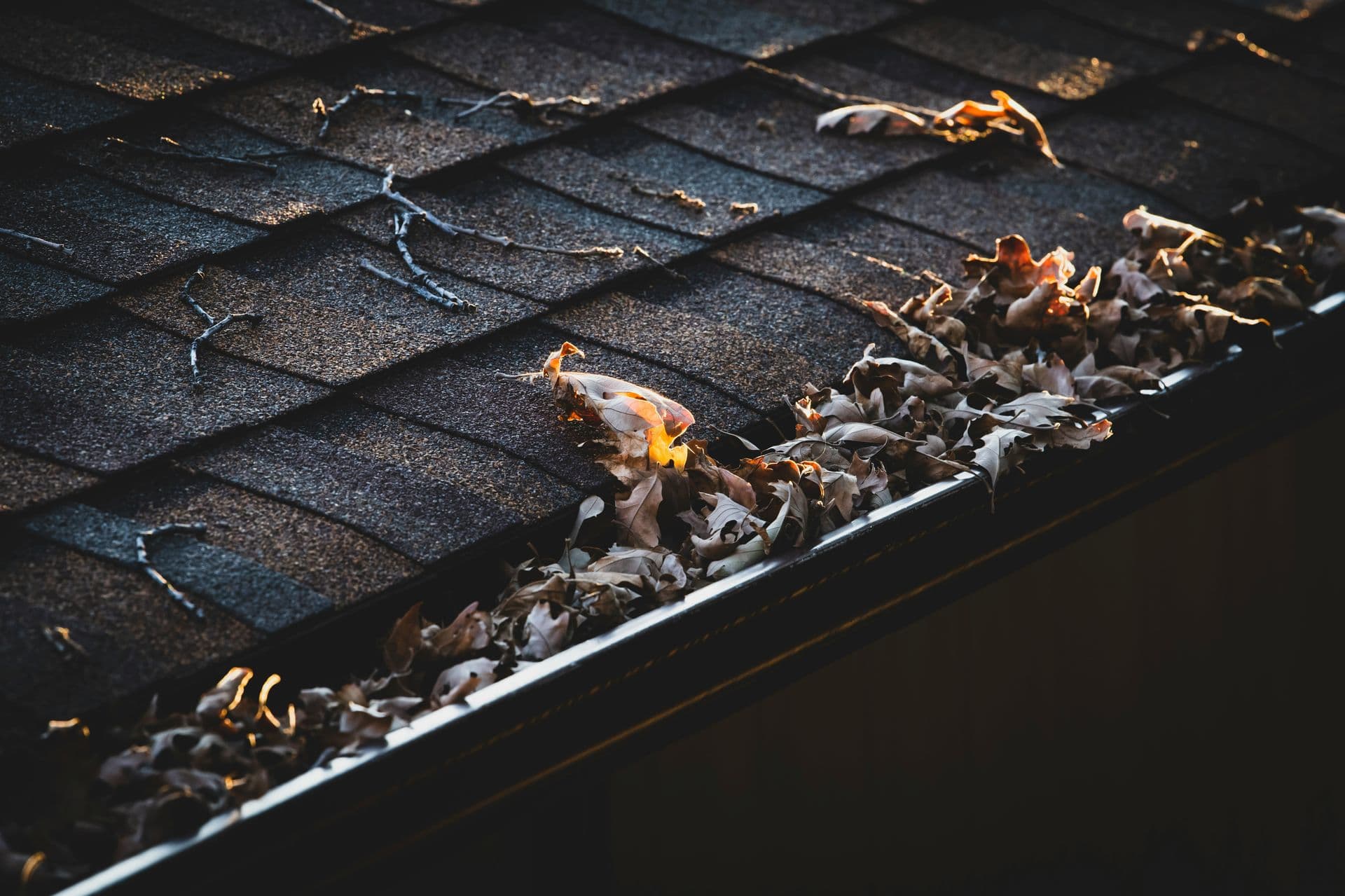
Most homeowners notice leaves in the yard first. What they may not notice is what collects above them—on the roof, in valleys, behind chimneys, and inside gutters. That debris may not look serious from the ground, but it can affect how water moves across the home.
A roof and gutter system are designed to direct water away. When debris interrupts that flow, water can linger where it should not.
Why does roof debris matter?
Roof debris matters because it can trap moisture and slow drainage.
Leaves, small branches, seed pods, and other debris can collect in roof valleys, around penetrations, and near gutter lines. When that happens, water may not move off the roof as cleanly as it should. Over time, areas that stay damp longer may become more vulnerable to wear.
The National Roofing Contractors Association notes that debris such as leaves and other materials should be removed from the roof, with special attention paid to valleys, gutters, and roof drains where debris tends to collect and limit drainage.
McCoy recommends paying close attention to any area where water naturally collects or changes direction. Those are the same areas where debris tends to become a problem first.
Why are gutters so important heading into fall?
Gutters become more important as leaves begin to fall because they handle most of the water coming off the roof.
When gutters are clear, water can move through the system and away from the home. When they are clogged, water may overflow, back up, or spill near siding, trim, fascia, and the foundation.
A small clog may not seem urgent during a light rain. But once fall debris builds up, that same weak point can become a much bigger drainage issue.
What problems can clogged gutters cause?
Clogged gutters can cause water to go where it should not.
Overflowing water may run down siding, soak trim, collect near the foundation, or back up near roof edges. In colder weather, poor drainage can also contribute to ice-related issues once temperatures drop.
IBHS recommends keeping roofs, gutters, and downspouts maintained and clear of debris before freezing temperatures arrive. McCoy recommends taking that seriously before the first cold snap, not after.
Can debris damage shingles?
Debris usually does not damage shingles immediately, but it can contribute to problems over time.
When leaves and organic material sit on the roof, they can hold moisture against the surface. That moisture can make certain areas age differently than the rest of the roof, especially if debris repeatedly collects in the same place.
This is one reason roof valleys, shaded areas, and sections near trees deserve extra attention. They often stay damp longer and collect more material throughout the season.
What should homeowners look for from the ground?
Homeowners should look for visible piles of leaves or branches on the roof, dark damp-looking areas, sagging gutters, water stains below gutter lines, or downspouts that do not appear to drain properly.
During rain, watch how water moves. If it spills over the gutter edge, drips behind the gutter, or collects near the base of the home, the system may not be moving water the way it should.
McCoy recommends staying on the ground for the first check. If something requires climbing, roof access, or working from a ladder, it is safer to bring in a professional.
Does every home need gutter cleaning before fall?
Not every home has the same risk, but most homes benefit from a seasonal check.
Homes with mature trees, shaded rooflines, steep valleys, or nearby branches tend to collect more debris. Homes with fewer trees may need less frequent cleaning, but gutters can still collect shingle granules, twigs, and windblown material.
The question is not whether the gutters look full from the ground. The question is whether water can move through them properly when it rains.
When should homeowners call a professional?
Homeowners should call a professional when gutters are difficult to access, when debris appears to be trapped in roof valleys, when there are signs of water backing up, or when the roof itself needs to be evaluated.
A professional can determine whether the issue is simple debris buildup or part of a larger concern, such as poor drainage, loose gutters, damaged fascia, or roof wear near valleys and edges.
McCoy recommends addressing drainage concerns before fall weather makes them harder to manage.
Leaves are part of the season. Water problems do not have to be.
By checking the roof, gutters, and downspouts before fall fully arrives, homeowners can help keep water moving away from the home and reduce the chance of preventable moisture issues later in the year.
Request A Free Inspection!
+ 0% Interest for 24 Months



Start With a Free Roofing or Exterior Inspection in the Omaha-Lincoln Area
Begin your home or business upgrade with zero pressure and clear answers. Schedule your free home exterior review today using our easy online form, by phone, or in person at one of our local offices. Discover why so many Omaha and Lincoln neighbors trust McCoy Roofing for clarity, craftsmanship, and service that lasts.

Contact Us
-1213x485.jpg&w=1920&q=75&dpl=dpl_GYMrc4F7ZaFFq7iHFffXS1fRydYL)
Monday - Friday: 8am to 5pm
Monday - Friday: 8am to 5pm
Monday - Friday: 8am to 5pm
Monday - Friday: 8am to 5pm
Charlotte, NC 28210
Monday - Friday: 8am to 5pm