
What Should Homeowners Check After a Hot Summer?
by McCoy Roofing
Short Answer:
After a hot summer, homeowners should check the parts of the exterior most affected by heat, sun, moisture, and storms: roofing, siding, gutters, windows, doors, trim, and caulking. McCoy recommends looking for changes in appearance, loose materials, gaps, and signs of moisture before fall weather arrives.
Hot summers are hard on homes.
By late August, your exterior has already been through months of sun exposure, heat, humidity, heavy rain, and summer storms. Some of that wear is normal. But some signs are worth catching before fall weather brings cooler temperatures, falling leaves, and more moisture into the picture.
The goal is not to look for problems everywhere. The goal is to understand what summer may have revealed.
Why does summer weather affect the exterior?
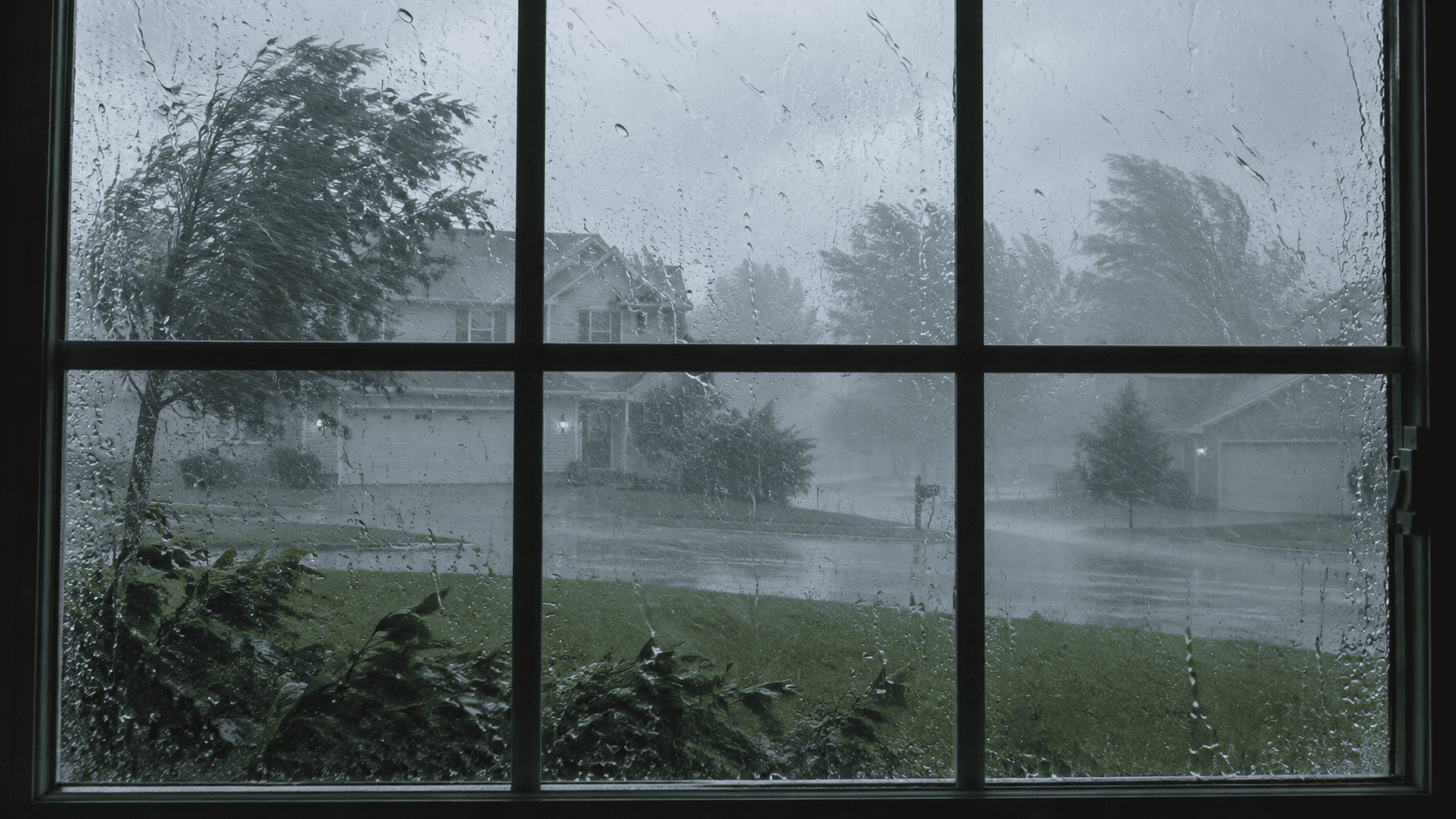
Summer weather affects a home through heat, UV exposure, humidity, and storm activity.
Exterior materials expand and contract as temperatures change. Sun-facing areas may fade or dry out faster. Heavy rain can expose drainage issues. Humidity can make shaded areas stay damp longer than they should.
McCoy recommends paying close attention to areas where different materials meet, such as rooflines, window trim, doors, siding corners, flashing, and exterior penetrations. These transition points often show early signs of wear before larger sections of the exterior do.
What should homeowners look for on the roof?
Homeowners should start with a safe visual check from the ground.
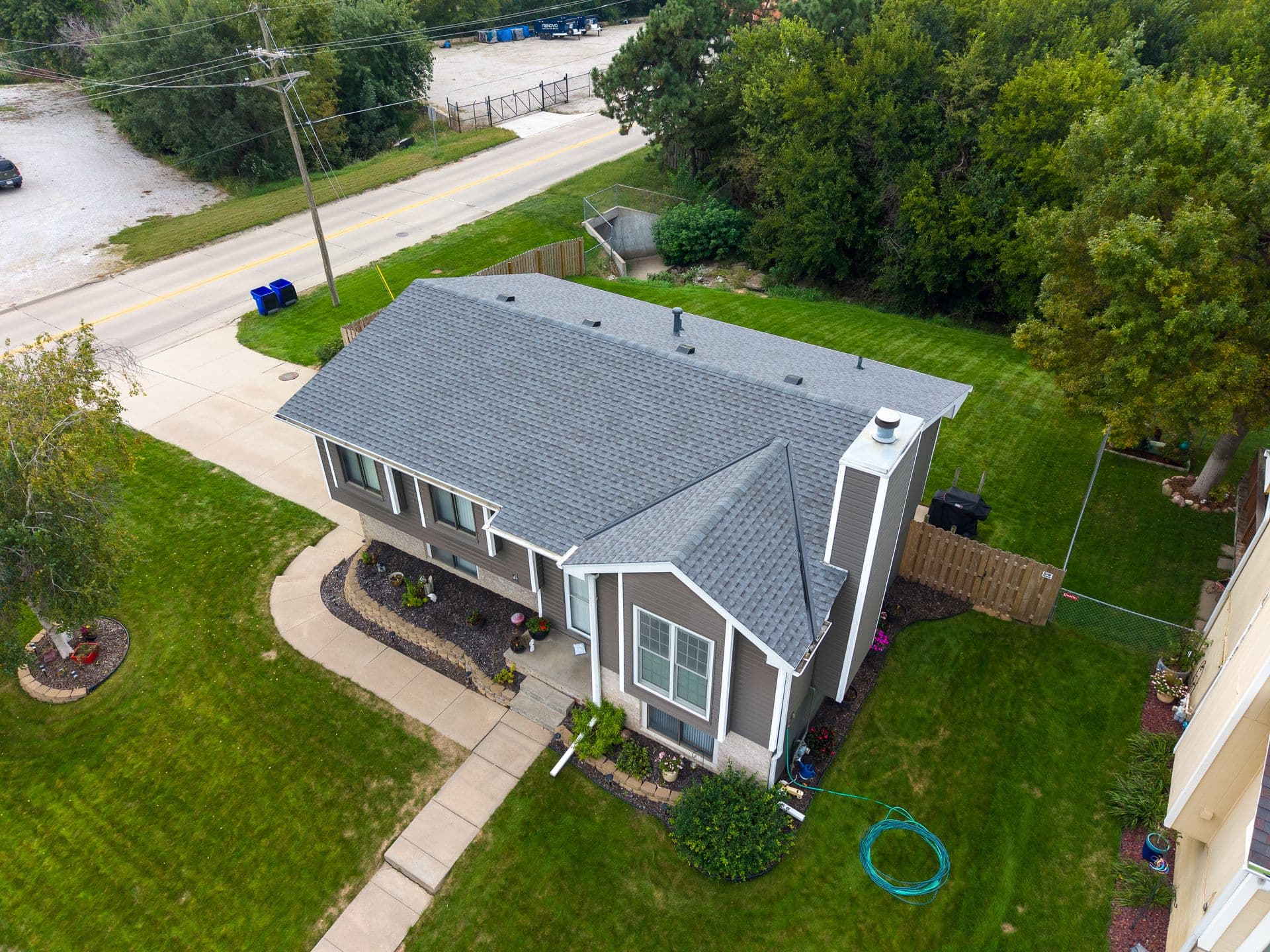
Look for shingles that appear lifted, curled, missing, or uneven. Pay attention to roof valleys, edges, and areas around chimneys, vents, and skylights. These are common places for debris, flashing issues, or water-management concerns to show up.
The National Roofing Contractors Association notes that spring and fall inspections can help uncover cracked, warped, or missing shingles, deteriorated flashing, excessive granules in gutters or downspouts, and debris-filled gutters.
McCoy recommends avoiding roof access unless you have the proper safety equipment and experience. A homeowner can notice signs from the ground, but a professional should evaluate anything that requires getting on the roof.
How can summer heat affect siding?
Summer heat can reveal siding problems that were easier to miss earlier in the year.
Siding may fade, warp, loosen, or show gaps around seams and trim. Sun-facing walls often take the most UV exposure, while shaded areas may hold moisture longer after storms or heavy humidity. Both conditions can affect how siding looks and performs over time.
McCoy recommends checking for siding that no longer sits flat, panels that move more than they should, cracks around corners, and caulking that has pulled away near trim. James Hardie notes that homeowners can help prevent some siding damage by inspecting caulk around the edges of the home and repairing it when it fails.
Why should windows and doors be checked after summer?
Windows and doors are common places for air and moisture to move through the exterior.
After a hot summer, sealant around windows and doors may crack, shrink, or pull away. That can become more noticeable as fall approaches and indoor comfort becomes harder to maintain. ENERGY STAR notes that air leaking through a home’s envelope, including outer walls, windows, doors, and other openings, can waste energy and increase utility costs.
McCoy recommends checking for visible gaps, cracked caulking, soft trim, drafts, or daylight around window and door edges. These signs do not always mean the window or door needs replacement, but they do mean the area should be evaluated.
What role do gutters play heading into fall?
Gutters become more important as fall approaches.
Late summer storms may already have filled gutters with small debris, shingle granules, twigs, or leaves. Once fall begins, additional leaves can make existing drainage issues worse. If gutters are clogged, loose, or misaligned, water may overflow near siding, trim, roof edges, and the foundation.
McCoy recommends watching how gutters perform during rain. Water should move into the gutters, through the downspouts, and away from the home. If water spills over the sides, drips behind the gutter line, or collects near the foundation, the system may not be managing water properly.
Should homeowners check trim, fascia, and soffits?
Yes. Trim, fascia, and soffits often show early signs of heat or moisture stress.
These areas sit near roof edges, gutters, windows, doors, and siding transitions. If they begin to soften, peel, stain, or separate, moisture may be getting into places it should not. Summer humidity and storm exposure can make those issues more noticeable.
McCoy recommends looking closely at any exterior detail that frames or connects larger materials. Small trim issues can become bigger problems if water is allowed to sit or enter behind the surface.
When should homeowners call a professional?
Homeowners should call a professional when damage appears widespread, recurring, moisture-related, or unsafe to inspect.
One small issue may not be urgent. But several small issues across the roof, siding, windows, gutters, or trim may point to a larger pattern. A professional inspection can help determine whether the problem is cosmetic, isolated, or connected to the performance of the exterior system.
McCoy recommends addressing small gaps, loose materials, or drainage issues before fall rain and debris make them harder to manage.
A hot summer does not automatically mean your home has damage. But it can expose weak points.
Late summer is a good time to slow down, walk the exterior, and look for signs your home may need attention before the season changes. When small issues are caught early, they are usually easier to understand, easier to prioritize, and easier to address.
Request A Free Inspection!
+ 0% Interest for 24 Months

Start With a Free Roofing or Exterior Inspection in the Omaha-Lincoln Area
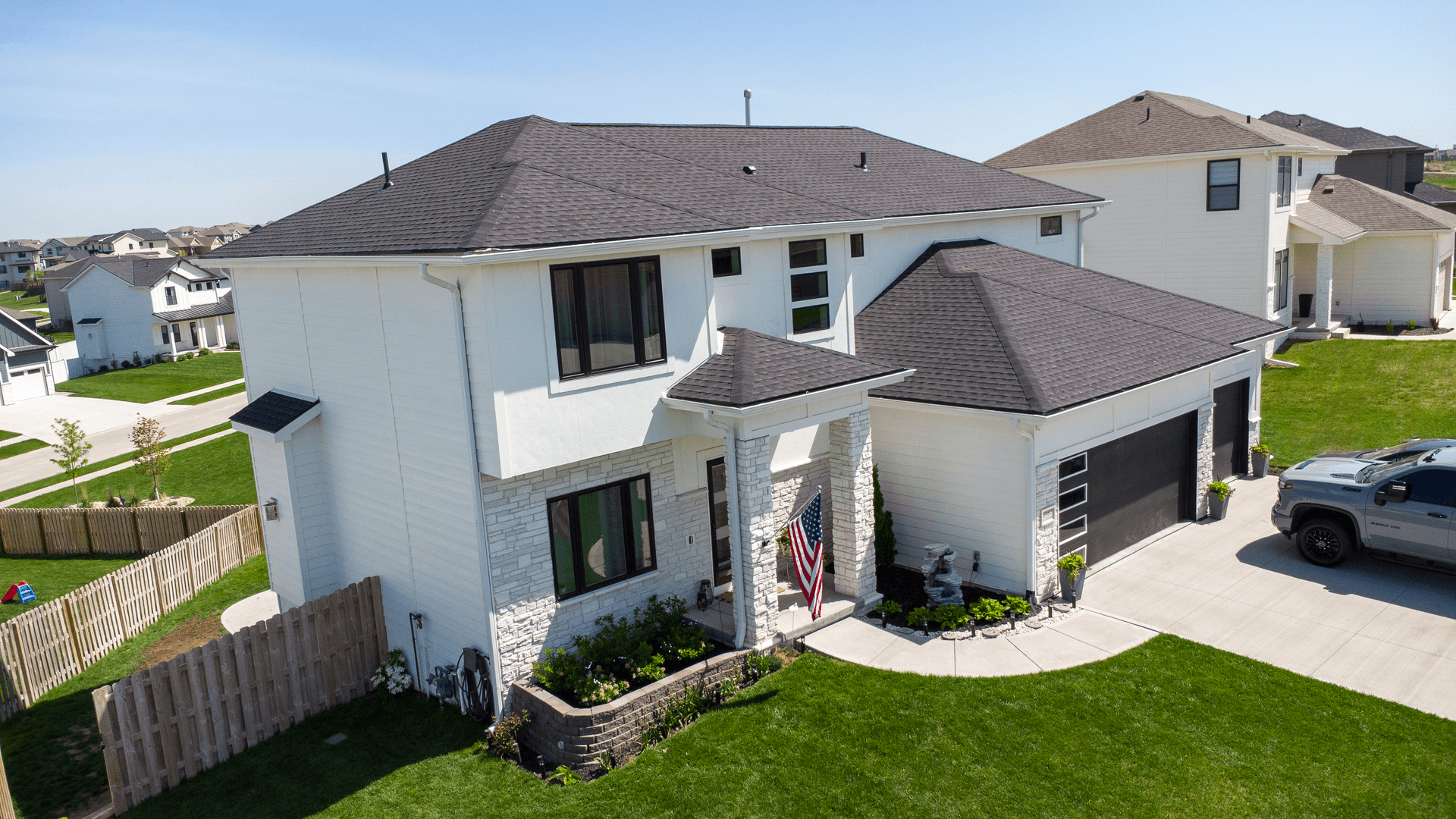
Begin your home or business upgrade with zero pressure and clear answers. Schedule your free home exterior review today using our easy online form, by phone, or in person at one of our local offices. Discover why so many Omaha and Lincoln neighbors trust McCoy Roofing for clarity, craftsmanship, and service that lasts.
Contact Us
-1213x485.jpg&w=1920&q=75&dpl=dpl_66ZG4Cf1dCvzogVXZ85ceYWTCfFa)
Monday - Friday: 8am to 5pm
Monday - Friday: 8am to 5pm
Monday - Friday: 8am to 5pm
Monday - Friday: 8am to 5pm
Charlotte, NC 28210
Monday - Friday: 8am to 5pm