
What Does a Professional Roof Inspection Actually Include?
By McCoy Roofing
Short Answer: A professional roof inspection typically includes evaluating shingles or other roofing materials, flashing, roof penetrations, ventilation, gutters, and visible signs of moisture or storm damage. The goal is to understand the roof's condition, identify potential problems, and determine whether maintenance, repairs, or replacement may be necessary.
Your roof protects your home every day, but most homeowners rarely get a close look at it.
Unless a shingle goes missing, a leak appears, or a storm causes visible damage, it's easy to assume everything overhead is working as it should. Even when something does seem wrong, determining the cause isn't always straightforward.
That's where a professional roof inspection comes in.
A thorough inspection helps homeowners understand the condition of their roofing system, identify possible concerns, and make informed decisions about what happens next.
But what exactly should a professional be looking for?
What does a roofing contractor check during an inspection?
A roof inspection involves more than looking for missing shingles.
Although roofing materials are an important part of the evaluation, a roof functions as a system. Its ability to protect the home depends on the condition of several components working together.
A professional may evaluate shingles, flashing, valleys, roof edges, penetrations, gutters, and ventilation, depending on the roof's design and what can be safely accessed.
The National Roofing Contractors Association provides guidance for residential roof maintenance, including routine checks for deteriorating shingles and debris that could interfere with drainage.
McCoy recommends looking at the overall condition of the roofing system rather than focusing on one isolated issue. A roof can appear healthy in one area while developing problems elsewhere.
What do inspectors look for in asphalt shingles?
Asphalt shingles are designed to shed water and withstand weather exposure, but they can deteriorate or become damaged over time.
During an inspection, a roofing professional may look for missing, cracked, curled, lifted, or otherwise damaged shingles. They may also examine areas where granules have worn away or where shingles appear different from the surrounding roof.
These conditions can result from aging, weather exposure, installation issues, or previous storm damage.
However, not every visible change means the roof needs replacing.
McCoy recommends having questionable areas evaluated to determine whether the concern is cosmetic, isolated, or affecting the roof's ability to protect the home.
Why is flashing important during a roof inspection?
Flashing is one of the most important components of a roofing system because it helps direct water away from vulnerable areas.
These areas include chimneys, skylights, vents, roof valleys, and locations where the roof meets a wall.
Even when shingles are in good condition, damaged or improperly installed flashing can create opportunities for water intrusion.
GAF explains that roof flashing helps prevent water from entering vulnerable areas, making it an important consideration during regular roof maintenance.
McCoy recommends paying particular attention to flashing when investigating recurring leaks or water stains. The source of a leak is not always directly above where moisture eventually appears inside the home.
Do roof inspections include gutters and drainage?
They can, and gutters are an important part of understanding how water moves away from the roof.
A roofing professional may look for clogged gutters, loose connections, sagging sections, and areas where water is overflowing or collecting near the roof edge.
Gutters that cannot drain properly may allow water to reach fascia, siding, and other parts of the home's exterior.
According to GAF, regularly cleaning gutters helps runoff water properly drain away from your property.
McCoy recommends evaluating gutters and downspouts alongside roofing concerns, particularly when homeowners notice water spilling behind gutters or collecting near the foundation.
Does a professional roof inspection include the attic?
Depending on the inspection's scope and attic accessibility, it may include an evaluation of conditions beneath the roof.
Visible staining, damp insulation, moisture accumulation, or evidence of previous leaks can provide information that isn't obvious from outside.
Attic ventilation is another important consideration. Poor ventilation, air leakage, and insulation problems can contribute to excess moisture and uneven roof temperatures.
GAF notes that ventilation helps avoid ice dams in the winter, while also helping manage excessive attic heat during warmer months.
McCoy recommends mentioning any known attic moisture, recurring ice buildup, or unexplained ceiling stains when scheduling an inspection. These details can help the contractor focus on areas of concern.
Can a roof look fine but still have problems?
Yes. Not every roofing problem is visible from the driveway.
Loose flashing, deteriorating seals, subtle storm damage, and moisture-related concerns may be difficult for homeowners to identify without closer evaluation.
That said, a roof's age alone does not establish whether it needs replacement.
Two roofs installed in the same year may have experienced different weather conditions, maintenance histories, and levels of wear.
McCoy recommends evaluating the roof's actual condition rather than relying only on its age or assuming that visible damage is required before a problem exists.
Does a roof inspection mean you'll need a new roof?
No, and this is an important distinction.
The purpose of an inspection should be to establish the condition of the roofing system, not automatically recommend replacement.
Some homeowners may discover that their roof is performing well. Others may learn that a minor repair or routine maintenance is sufficient. In more serious cases, widespread damage or deterioration may make replacement the better long-term option.
A useful inspection should help homeowners understand what was found, why it matters, and what their options are.
McCoy believes that homeowners should have the information necessary to make confident decisions about their property without unnecessary pressure.
When should homeowners schedule a roof inspection?
A roof inspection may be appropriate after significant hail or wind events, when visible damage appears, when leaks develop, or when homeowners have concerns about an aging roofing system.
Regular maintenance evaluations are also valuable, even when no obvious problem exists.
The National Roofing Contractors Association recommends checking residential roofs during spring and fall, making seasonal maintenance a useful opportunity to identify potential concerns.
Late fall can be particularly convenient because homeowners may want clarity about their roof's condition before snow, ice, and freezing temperatures become more frequent.
However, a professional evaluation does not need to wait for a particular season when there are signs of active damage or moisture intrusion.
What happens after a professional roof inspection?
The most important outcome should be a clearer understanding of your roof.
A roofing professional should explain any concerns identified during the inspection, discuss whether maintenance or repairs are appropriate, and help you understand when replacement may be worth considering.
At McCoy Roofing, our free Home Exterior Reviews are designed to help homeowners better understand their property's condition and available options.
Whether you're concerned about previous storm damage, considering a renovation, or simply wondering how your roof is holding up, an evaluation can provide a useful starting point.
You don't need to know everything about roofing to take good care of your home. You just need reliable information from people who do.
And sometimes, the best news an inspection can provide is that your roof is doing exactly what it's supposed to do.
Request A Free Inspection!
+ 0% Interest for 24 Months
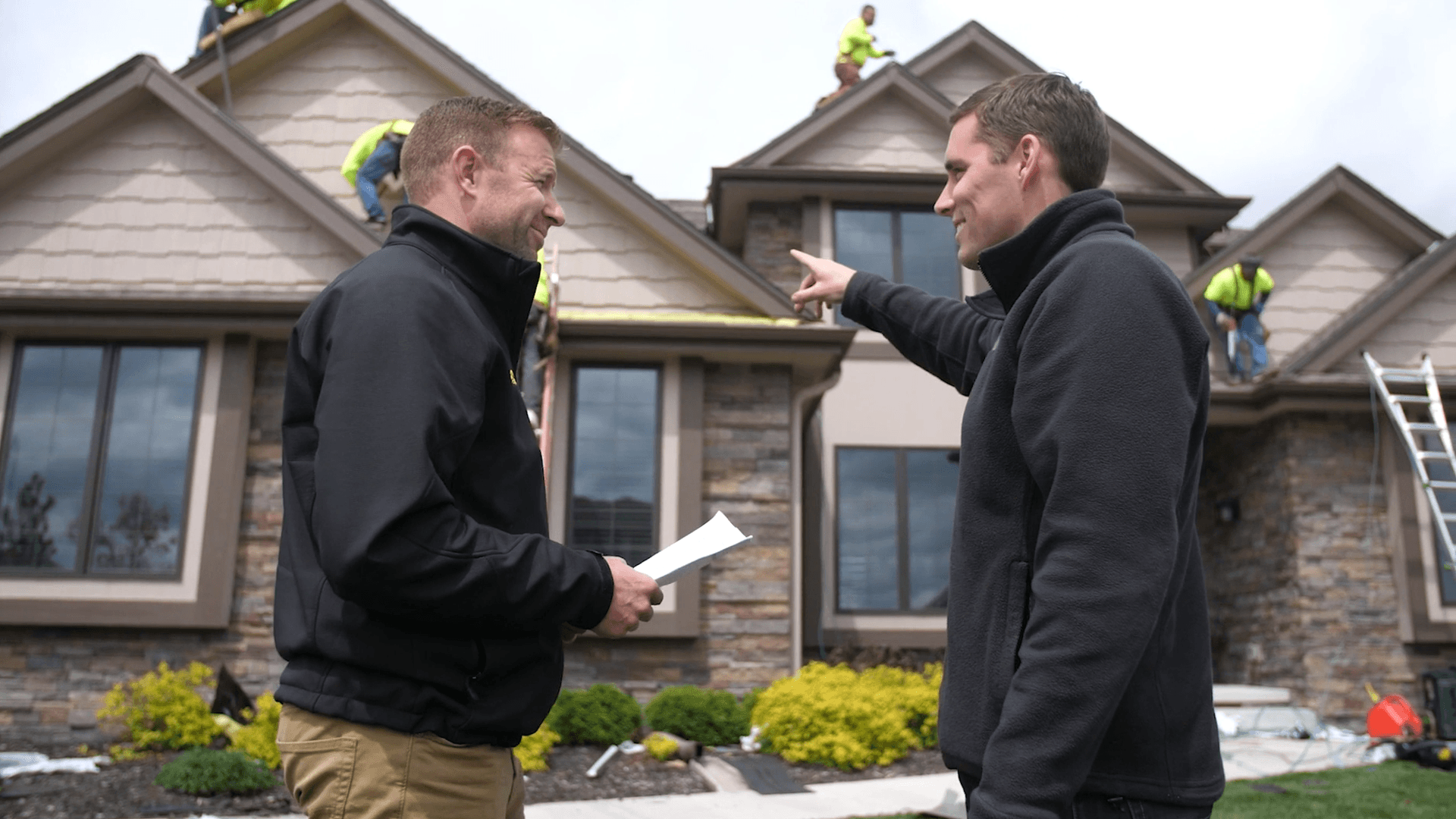

Start With a Free Roofing or Exterior Inspection in the Omaha-Lincoln Area
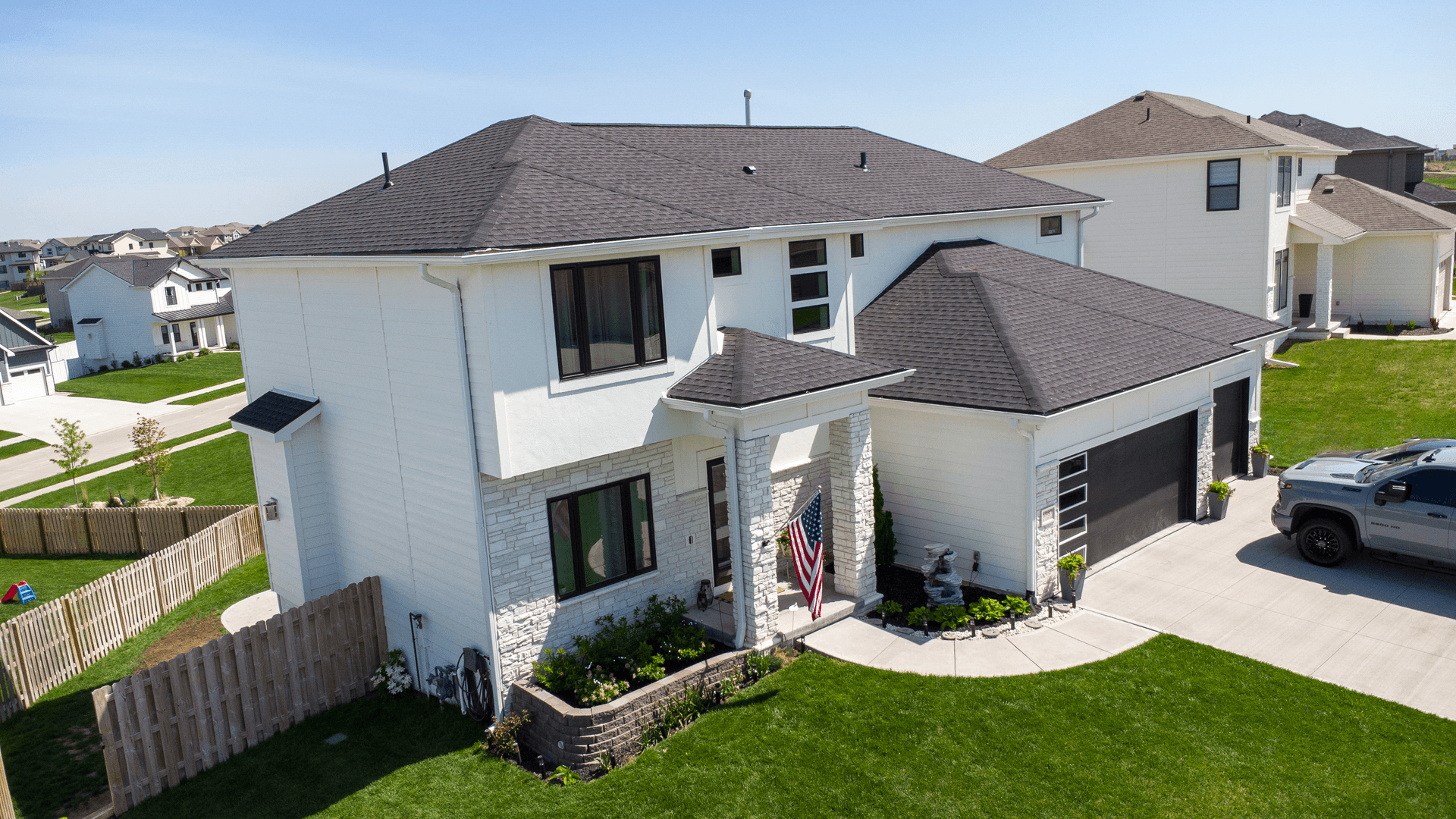
Begin your home or business upgrade with zero pressure and clear answers. Schedule your free home exterior review today using our easy online form, by phone, or in person at one of our local offices. Discover why so many Omaha and Lincoln neighbors trust McCoy Roofing for clarity, craftsmanship, and service that lasts.
Contact Us

Monday - Friday: 8am to 5pm
Monday - Friday: 8am to 5pm
Monday - Friday: 8am to 5pm
Monday - Friday: 8am to 5pm
Charlotte, NC 28210
Monday - Friday: 8am to 5pm