
What Homeowners Should Check Before the First Freeze
By McCoy Roofing
Short Answer:
Before the first freeze, homeowners should check gutters, downspouts, roof edges, siding, caulking, windows, doors, drainage, and exterior water sources. McCoy recommends taking care of small exterior issues before freezing temperatures turn moisture, debris, and gaps into bigger problems.
The first freeze of the season is a good reminder that fall is not just about cooler weather.
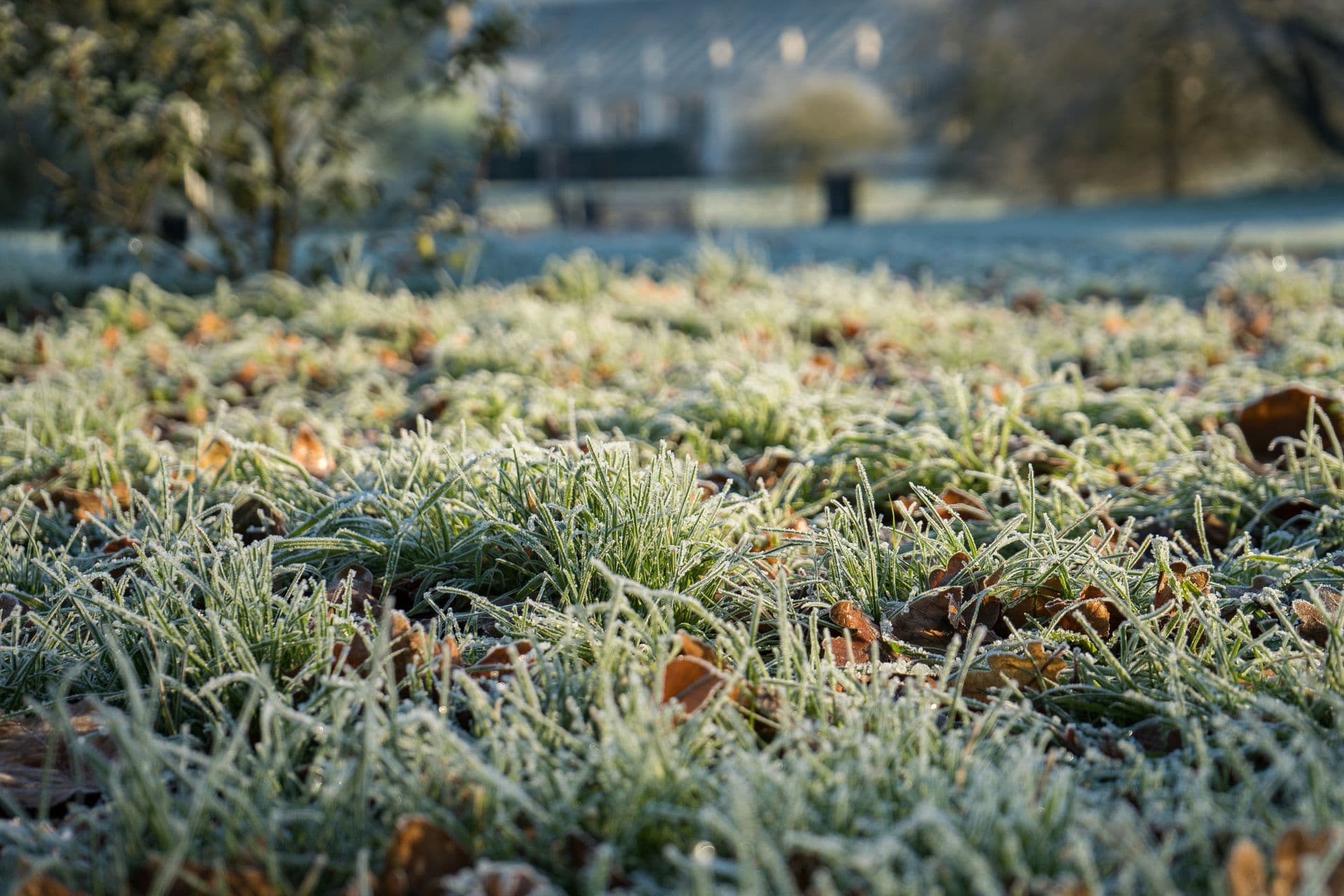
It is the start of a different kind of stress on your home’s exterior. Water that was harmless in mild weather can freeze. Small gaps can become more noticeable. Clogged gutters can create drainage problems. Drafty rooms can suddenly feel colder.
You do not need to panic before the first freeze. But you should take a few minutes to check the parts of your home that deal with water, air, and changing temperatures.
Why does the first freeze matter for your exterior?
The first freeze matters because it changes how moisture behaves around your home.
When temperatures fall below freezing, water can expand, harden, and linger in places where it should be draining away. That can make clogged gutters, roof debris, gaps in siding, cracked caulking, and poor drainage more problematic.
McCoy recommends treating the first freeze as a seasonal checkpoint. If water is sitting where it should not sit, or air is getting in where the home should be sealed, colder weather will usually make those issues more noticeable.
What should homeowners check on gutters and downspouts?
Start with gutters and downspouts because they control where roof water goes.
Look for leaves, sticks, shingle granules, sagging sections, loose fasteners, disconnected downspouts, or places where water appears to spill over the edge. If gutters are already clogged before freezing temperatures arrive, rain and melting frost have fewer places to go.
IBHS recommends clearing debris from gutters and downspouts so water can flow away from the home, helping reduce the risk of ice dams and leaks. McCoy recommends doing this before leaf buildup gets worse and before colder weather makes the job less convenient.
Why does roof debris matter before freezing weather?
Roof debris can hold moisture against the roof surface.
Leaves, sticks, and debris often collect in valleys, near roof edges, around chimneys, and behind roof penetrations. When that material stays wet and temperatures fall, moisture can linger longer than it should.
McCoy recommends checking the roofline from the ground. Look for debris buildup, lifted shingles, missing shingles, or anything that appears different from the rest of the roof. Do not climb onto a wet or frosty roof. If something looks concerning from the ground, a professional inspection is the safer next step.
What should homeowners check around siding and trim?
Siding and trim should be secure before freezing temperatures arrive.
Walk around the home and look for cracks, gaps, loose panels, warped sections, soft trim, peeling paint, or moisture staining. Pay extra attention to areas near windows, doors, corners, hose bibs, utility penetrations, and where siding meets trim.
Small openings matter because they give water and air a path into places they should not go. McCoy recommends addressing obvious gaps or loose materials before colder weather adds more stress.
Why do windows and doors matter before the first freeze?
Windows and doors are common places for drafts and moisture problems to show up.
Check for cracked caulking, damaged weatherstripping, visible gaps, soft trim, condensation, sticking doors, or rooms that feel colder than the rest of the house. ENERGY STAR notes that sealing air leaks and adding insulation can help improve comfort and energy efficiency, with simple fixes including weatherstripping doors and caulking around windows.
McCoy recommends checking windows and doors before the first hard cold snap. A room that feels slightly drafty in October may feel much worse once temperatures drop.
What about caulking?
Caulking is easy to overlook, but it plays an important role around exterior transitions.
Check where different materials meet: siding to trim, trim to windows, doors to frames, utility lines to siding, and corners where gaps may have opened. Caulk that is cracked, brittle, pulling away, or missing may allow air or moisture to move through.
McCoy recommends looking closely at caulking while the weather is still mild enough to handle maintenance. ENERGY STAR also recommends that homeowners check for proper air sealing behind window or door trim when addressing leaks around windows and doors. Waiting until freezing weather arrives can make simple exterior work more difficult.
Should homeowners check drainage before freezing weather?
Yes. Drainage matters before the first freeze because standing water can become a bigger issue when temperatures drop.
After rain, check whether water pools near the foundation, collects in low spots, runs back toward the home, or sits near patios, steps, or walkways. Downspouts should move water away from the house, not dump it next to the foundation.
McCoy recommends making sure water has a clear path away from the home. If water is already collecting in the wrong place, colder weather will not improve the situation.
Should exterior water sources be part of the checklist?
Yes, even though this moves slightly outside the roof-and-siding category.
Disconnect garden hoses before freezing temperatures arrive. If a hose stays attached, trapped water can freeze and create problems at the spigot or inside the line. Also check that exterior faucets are not dripping and that any covers or shutoff steps recommended for your home are handled.
McCoy’s main focus is the exterior shell of the home, but this is one small freeze-prep step homeowners should not skip.
What indoor signs should homeowners watch for?
Inside the home, pay attention to drafts, condensation, water stains, musty smells, damp trim, or rooms that suddenly feel colder than others.
Those signs do not always point to one obvious problem, but they can help identify where the exterior may be underperforming. A draft near a window, damp trim near a door, or a stain below a roofline may be worth checking before winter weather becomes more frequent.
McCoy recommends documenting anything unusual with photos. It is easier to explain a concern when you can show when and where it appeared.
When should homeowners call a professional?
Homeowners should call a professional when they see roof damage, recurring gutter overflow, loose siding, soft trim, water stains, moisture inside the home, or exterior gaps they are not comfortable evaluating.
Not every issue means a major repair is needed. But before the first freeze, it is better to know whether something is cosmetic, simple maintenance, or a sign of a larger exterior problem.
The first freeze is not the end of fall, but it is a warning that winter conditions are getting closer.
Take a short walk around your home. Look at the roofline, gutters, downspouts, siding, trim, caulking, windows, doors, drainage, and exterior water sources. If everything looks good, great. If something looks off, this is the right time to catch it before colder weather makes it harder to ignore.
Request A Free Inspection!
+ 0% Interest for 24 Months

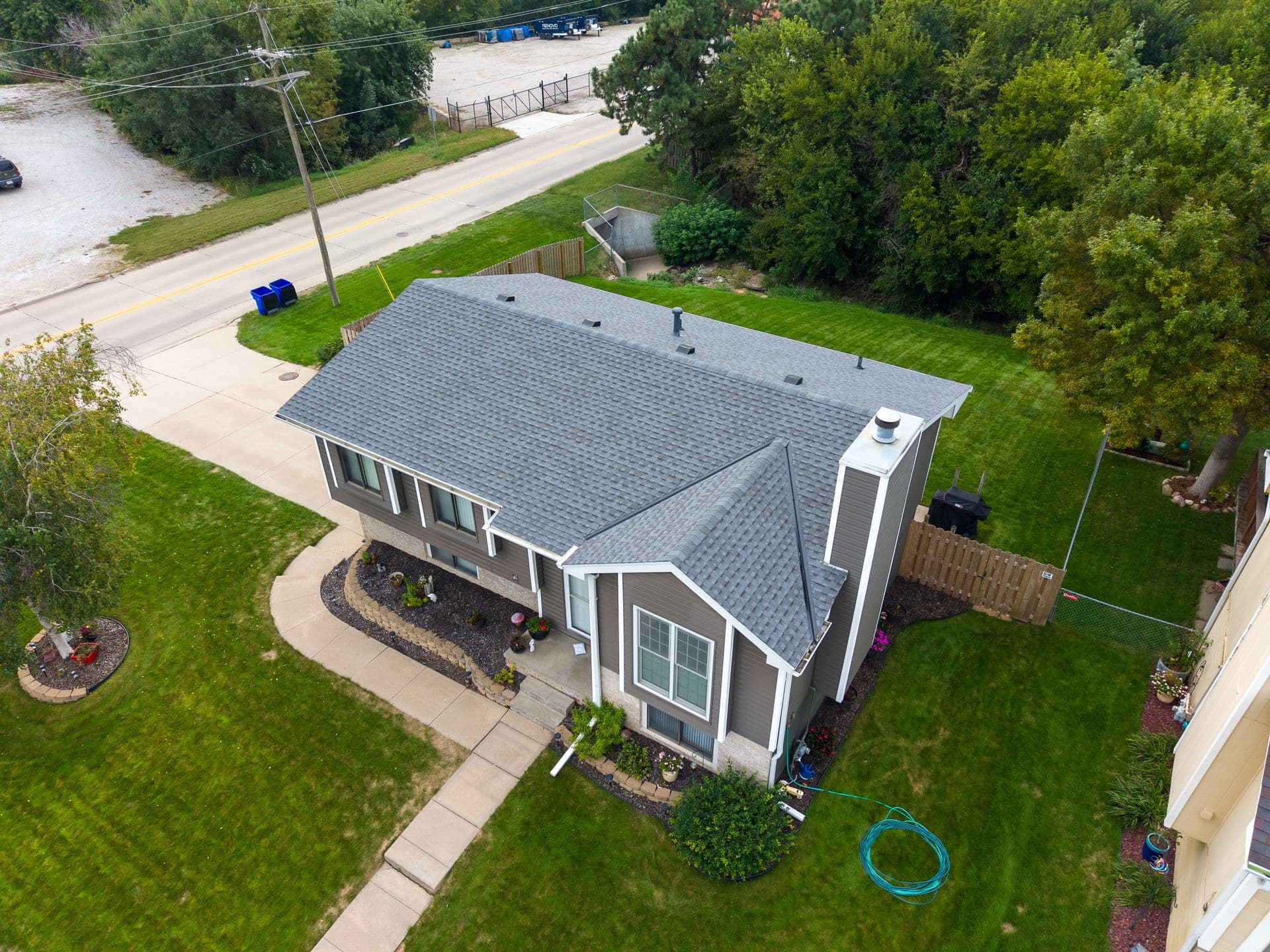
Start With a Free Roofing or Exterior Inspection in the Omaha-Lincoln Area
Begin your home or business upgrade with zero pressure and clear answers. Schedule your free home exterior review today using our easy online form, by phone, or in person at one of our local offices. Discover why so many Omaha and Lincoln neighbors trust McCoy Roofing for clarity, craftsmanship, and service that lasts.

Contact Us
-1213x485.jpg&w=1920&q=75&dpl=dpl_6HRhS39xjWfo9jKcoWeo4muYEyJT)
Monday - Friday: 8am to 5pm
Monday - Friday: 8am to 5pm
Monday - Friday: 8am to 5pm
Monday - Friday: 8am to 5pm
Charlotte, NC 28210
Monday - Friday: 8am to 5pm