
Why Roofs in the Midwest Often Don’t Last as Long as Expected
Short Answer:
Many asphalt roofs in the Midwest begin showing significant wear in as little as 15–20 years. Hail, high winds, rapid temperature swings, ventilation issues, and repeated storm exposure all contribute to roofs aging faster than many homeowners expect.
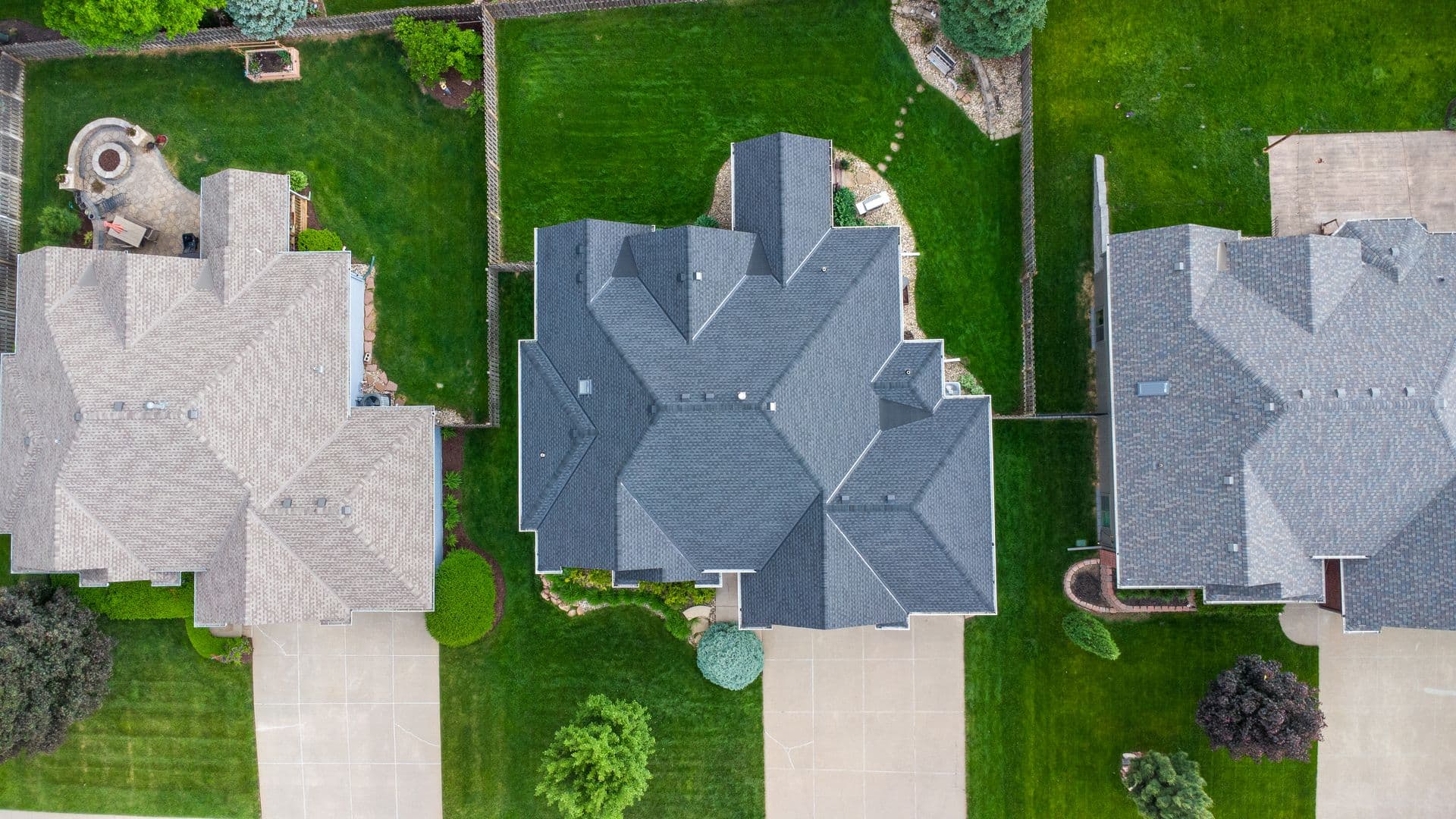
One of the most common assumptions homeowners make is that a roof should last as long as the warranty printed on the shingle package.
In reality, a roof’s advertised lifespan and its real-world lifespan are often two very different things—especially in the Midwest.
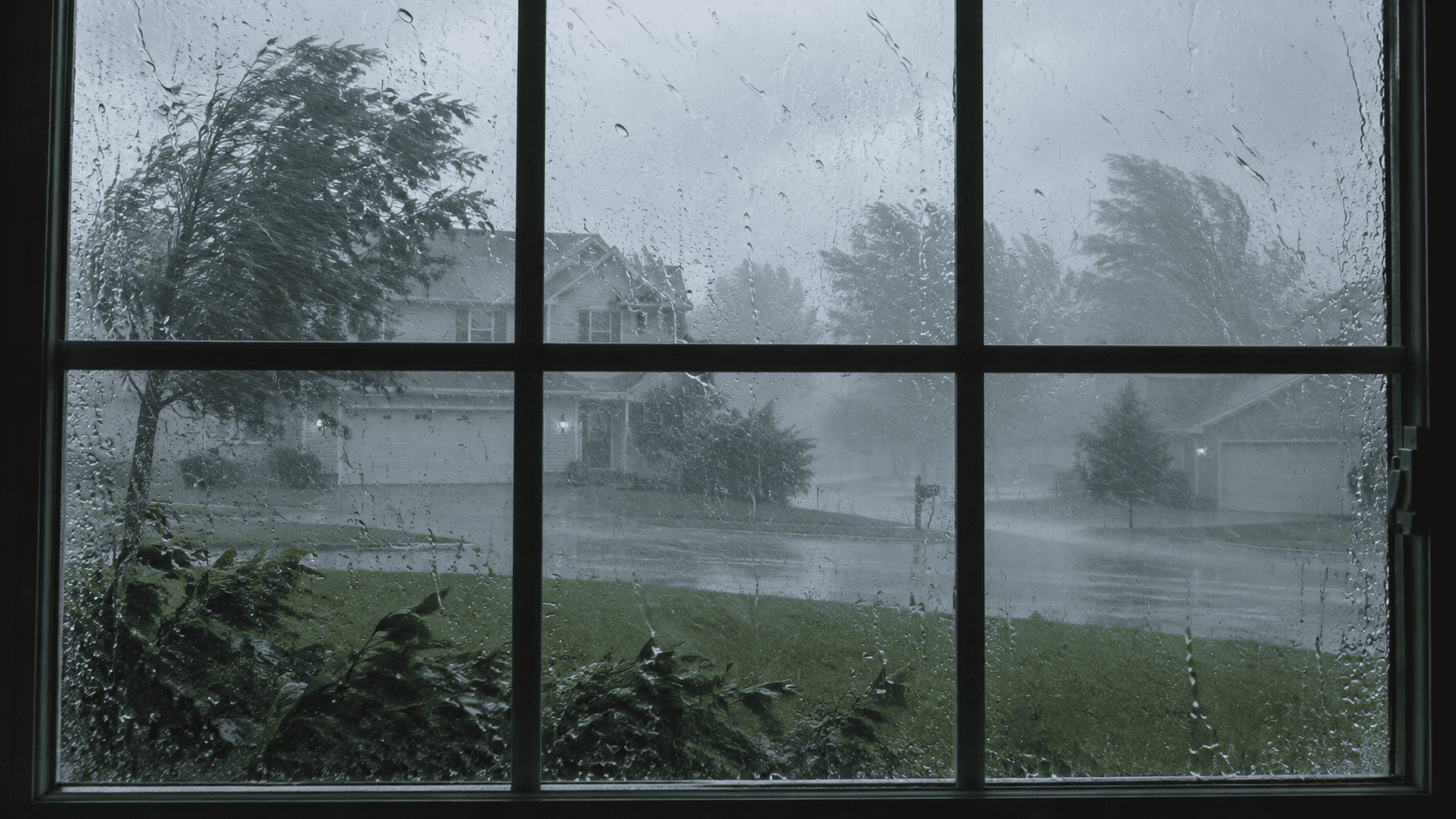
Roofs here don’t age under controlled conditions. They face hailstorms, strong winds, heavy snow, high summer heat, and dramatic temperature swings year after year. Over time, that constant exposure adds up faster than many homeowners realize.
Why do roofs in the Midwest wear out faster?
Because Midwest weather is relentless.
A roof here may go from below-zero temperatures in winter to triple-digit heat indexes in summer. In between, it deals with spring hailstorms, high winds, humidity, and freeze-thaw cycles that repeatedly expand and contract roofing materials.
That movement creates stress over time. Shingles dry out, seals weaken, granules wear away, and flashing becomes more vulnerable to separation.
A roof in the Midwest isn’t just tested during major storms—it’s tested almost constantly.
Do “30-year shingles” actually last 30 years?
Sometimes. Often, they don’t.
The term “30-year shingle” refers more to product classification and warranty structure than a guaranteed real-world lifespan. In a mild climate with ideal conditions, a roof may approach that range. In the Midwest, many roofs begin showing meaningful wear much earlier.
That doesn’t necessarily mean the roof has failed. But it does mean homeowners should think realistically about performance versus marketing language.
What affects roof lifespan the most?
Weather is a major factor, but installation quality matters just as much.
A properly installed roofing system with good ventilation and drainage will almost always outperform a poorly installed roof using premium materials. Attic ventilation, flashing details, gutter performance, and even surrounding tree coverage all influence how a roof ages over time.
Most roofing problems don’t come from one dramatic event. They develop gradually through years of exposure and stress.
How can homeowners tell a roof is aging?
Age alone doesn’t tell the whole story. Condition matters more.
Some common signs of aging include curling shingles, granule loss, dark streaking, exposed nail heads, repeated repairs, or sections of the roof that simply look more worn than the rest. Inside the home, water stains or unexplained moisture can also point to roofing issues developing overhead.
The key is looking for patterns rather than isolated imperfections.
Can a roof still look fine from the ground but have problems?
Absolutely.
Many roofing issues aren’t obvious from the driveway. Flashing damage, worn sealants, soft decking, and ventilation problems can all exist without major visible signs from below.
That’s one reason homeowners are often surprised when a roof inspection reveals more wear than expected.
Does storm history matter more than age?
In many cases, yes.
A newer roof that has been through multiple hailstorms may show more wear than an older roof that has experienced milder conditions. Storm exposure accelerates aging, especially when impacts weaken the protective surface of the shingles over time.
Two roofs installed the same year can age very differently depending on what they’ve been through.
What helps a roof last longer in the Midwest?
Consistency.
Regular inspections, proper attic ventilation, clean gutters, and addressing smaller issues early all help extend roof life. Preventative maintenance matters more than most homeowners think.
A roof doesn’t have to be brand new to perform well, but it does need to be maintained with the climate in mind.
Midwest roofs work hard. Between storms, heat, snow, wind, and constant seasonal changes, they endure a level of stress that many other climates simply don’t experience.
That’s why the better question often isn’t, “How old is my roof?” It’s, “How well is it holding up to where we live?”
Request A Free Inspection!
+ 0% Interest for 24 Months
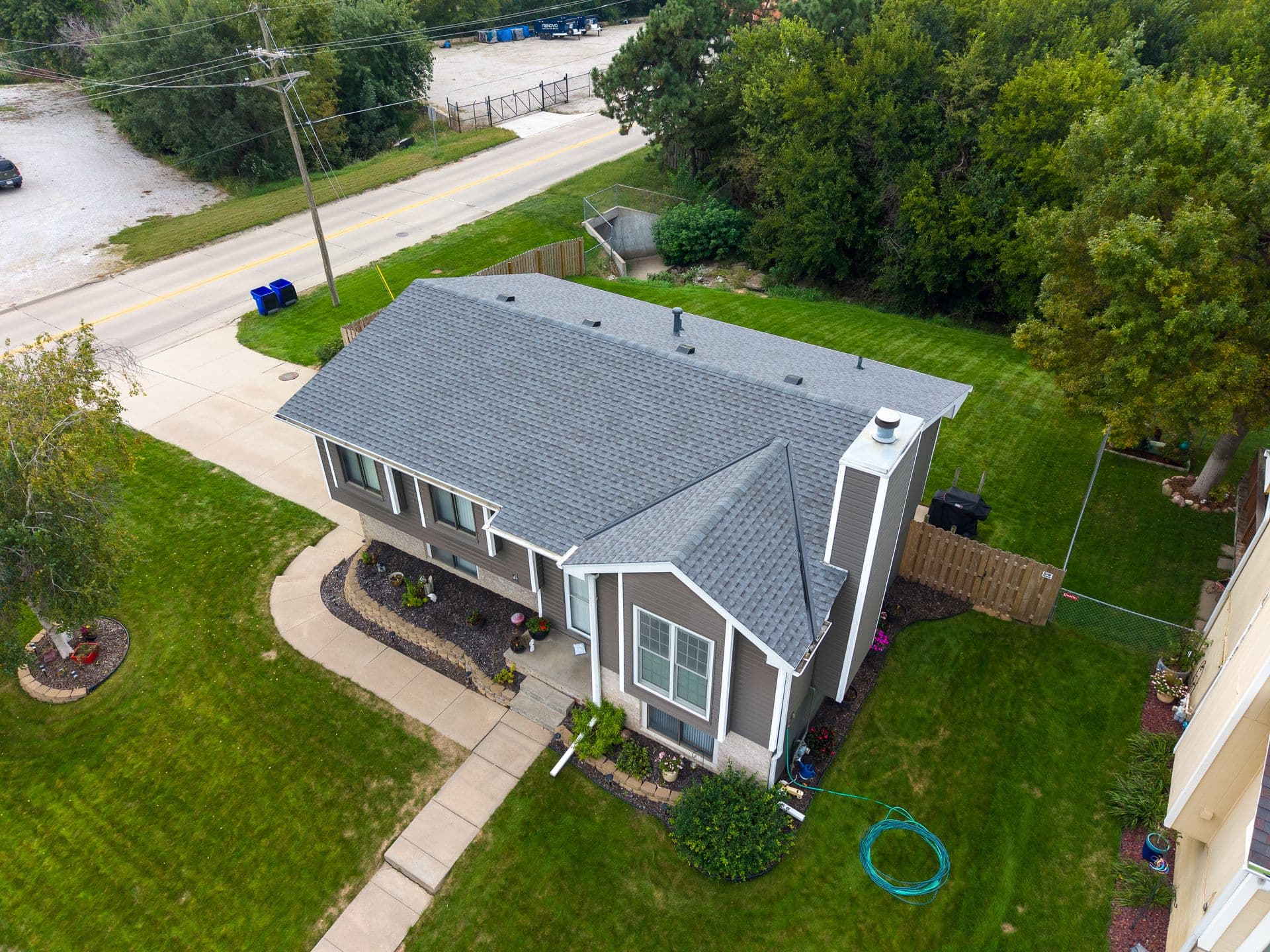

Start With a Free Roofing or Exterior Inspection in the Omaha-Lincoln Area
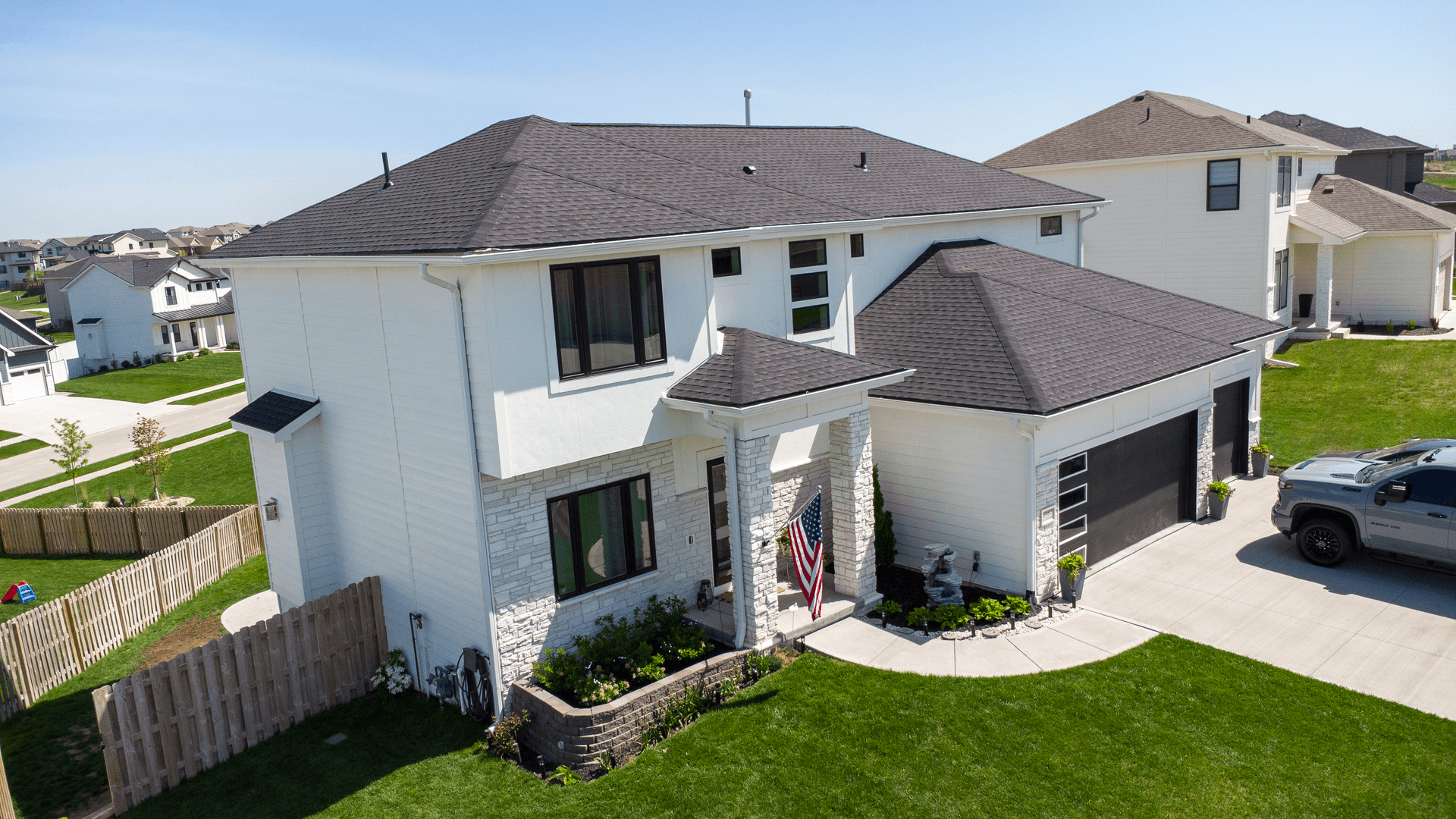
Begin your home or business upgrade with zero pressure and clear answers. Schedule your free home exterior review today using our easy online form, by phone, or in person at one of our local offices. Discover why so many Omaha and Lincoln neighbors trust McCoy Roofing for clarity, craftsmanship, and service that lasts.
Contact Us
-1213x485.jpg&w=1920&q=75&dpl=dpl_66ZG4Cf1dCvzogVXZ85ceYWTCfFa)
Monday - Friday: 8am to 5pm
Monday - Friday: 8am to 5pm
Monday - Friday: 8am to 5pm
Monday - Friday: 8am to 5pm
Charlotte, NC 28210
Monday - Friday: 8am to 5pm