
What Wind-Driven Rain Reveals About Your Home’s Exterior
by McCoy Roofing
Short Answer:
Wind-driven rain can reveal weak points that normal rainfall may not expose. McCoy recommends checking roof edges, siding seams, window and door trim, soffits, fascia, flashing, and exterior penetrations after windy rain to see whether water is being pushed into places it should not go.
Not all rain hits your home the same way.
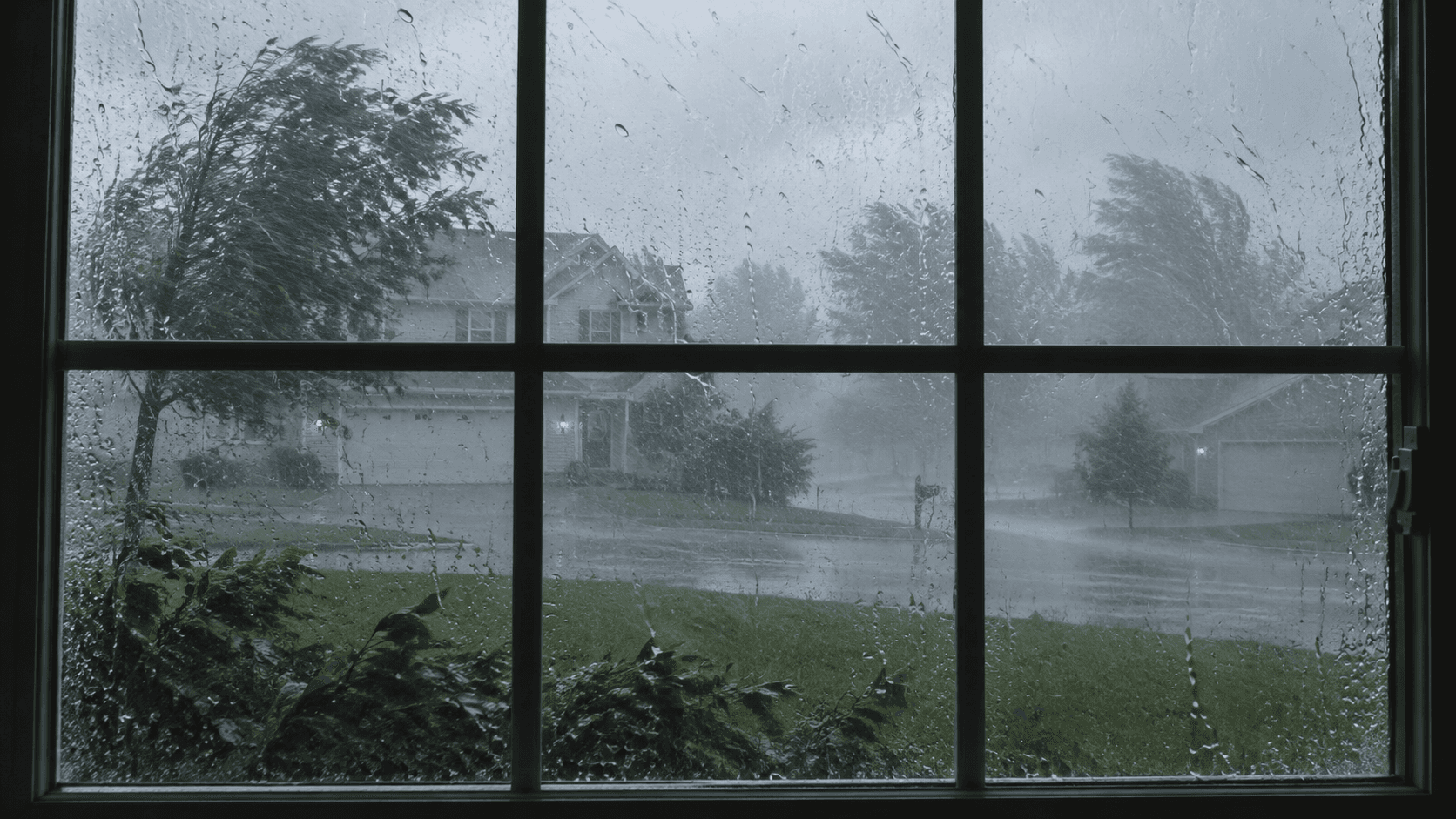
A calm, steady rain mostly falls downward. Wind-driven rain behaves differently. It pushes water sideways against siding, windows, doors, roof edges, trim, soffits, and exterior gaps. That pressure can expose weak points that may not show up during an ordinary shower.
After a week of wind and rain, your home may be giving you useful information. The goal is not to assume damage. The goal is to notice whether water is moving where it should—or forcing its way into places it should not.
Why is wind-driven rain different from regular rain?
Wind-driven rain puts pressure on the exterior from angles your home does not experience during calm weather.
Instead of simply running down the roof and into the gutters, water can be pushed against vertical walls, under overhangs, around windows and doors, and into small openings near trim or flashing. A detail that performs fine during light rain may struggle when wind changes the direction and force of the water.
McCoy recommends paying close attention after storms where rain came with strong wind. Those are the conditions that often reveal small exterior weaknesses first.
What parts of the exterior are most vulnerable?
The most vulnerable areas are usually the transitions.
That includes places where roofing meets walls, siding meets trim, windows and doors interrupt the wall, vents pass through the exterior, or soffits and fascia sit beneath roof edges. These areas depend on proper sealing, flashing, drainage, and installation details to keep water moving away from the home.
Large flat sections of siding or roofing matter, but the edges, corners, seams, and openings are often where problems begin.
What should homeowners look for after windy rain?
Start with what you can safely see from the ground.
Look for water stains below windows, damp-looking siding that stays wet longer than nearby areas, loose trim, peeling paint, soft fascia, or siding that appears to have shifted. Around rooflines, look for debris, lifted shingles, damaged flashing, or stains beneath valleys and overhangs.
McCoy recommends looking for patterns rather than one isolated mark. A single damp spot may dry and never return. A repeated stain, recurring moisture, or the same area staying wet after every storm deserves a closer look.
Can wind-driven rain get behind siding?
Yes. Wind-driven rain can push moisture into small gaps around siding, trim, and exterior openings.
Siding is designed to shed water, but it is not the only line of defense. A properly built exterior wall also relies on flashing, weather-resistant barriers, drainage planes, and sealed transition points. If siding is loose, cracked, warped, or poorly sealed around trim, water may find a path behind the surface.
That does not always create an immediate leak inside the home. Sometimes the first signs are subtle: staining, swelling, soft trim, or siding that begins to look uneven over time.
Why do windows and doors matter during windy rain?
Windows and doors interrupt the exterior wall, which makes them natural weak points if they are not sealed and flashed correctly.
During wind-driven rain, water can be pushed against the sides and tops of frames, beneath trim, or around gaps where caulking has failed. A window or door may look fine during dry weather but reveal problems when rain is being driven sideways.
McCoy recommends checking around window and door trim after storms. Staining, peeling paint, soft wood, recurring dampness, or moisture inside the home can all point to an opening that needs attention.
What about soffits and fascia?
Soffits and fascia often take more weather than homeowners realize.
When wind pushes rain upward or sideways, water can reach areas beneath roof overhangs that usually stay protected. If soffits are loose, damaged, poorly vented, or missing sections, moisture can reach the roof edge or attic area more easily.
Fascia boards are also important because they sit behind the gutter line and along the roof edge. If gutters are pulling away or water is getting behind them, fascia can soften or deteriorate over time.
McCoy recommends checking roof edges after strong wind and rain, especially if gutters look uneven or if water appears to be running behind the gutter instead of into it.
Can wind-driven rain cause a roof leak?
It can reveal one.
Wind-driven rain can push water under lifted shingles, around worn flashing, or into vulnerable roof-wall intersections. That does not always mean the storm created the problem from scratch. In many cases, wind and rain expose an issue that was already developing.
A leak after windy rain should not be ignored, even if it stops once the storm passes. The water may only show up under certain conditions, which means the source can be harder to notice during normal weather.
What indoor signs should homeowners watch for?
Inside the home, pay attention to water stains, musty smells, damp trim, bubbling paint, wet insulation, or moisture near windows and doors.
The location of the stain may not be the exact location of the exterior opening. Water can travel along framing, insulation, or surfaces before it finally appears. That is why interior moisture after a windy storm should be treated as a clue, not a complete diagnosis.
McCoy recommends documenting what you see. Photos of stains, damp areas, or exterior concerns can help a professional understand what happened and when.
When should homeowners call a professional?
Homeowners should call a professional when moisture appears indoors, when exterior damage is visible, when the same area repeatedly shows signs of water exposure, or when the concern involves the roof, flashing, siding, soffits, or upper trim.
A homeowner can spot warning signs from the ground. A professional can determine whether the issue is cosmetic, isolated, weather-related, or part of a larger exterior problem.
McCoy recommends getting clarity before the next round of rain. If wind-driven rain revealed a weak point once, it may reveal it again.
Wind-driven rain is useful because it shows how your home performs under pressure.
If water is moving away from the home, the exterior is doing its job. If water is lingering, backing up, staining, or showing up inside, your home may be pointing to a detail that needs attention.
A week of rain does not automatically mean damage. But it is a good reason to look closer.
Request A Free Inspection!
+ 0% Interest for 24 Months


Start With a Free Roofing or Exterior Inspection in the Omaha-Lincoln Area
Begin your home or business upgrade with zero pressure and clear answers. Schedule your free home exterior review today using our easy online form, by phone, or in person at one of our local offices. Discover why so many Omaha and Lincoln neighbors trust McCoy Roofing for clarity, craftsmanship, and service that lasts.

Contact Us
-1213x485.jpg&w=1920&q=75&dpl=dpl_63VoGEAPmaUBQEwvJUzC5Fi224bH)
Monday - Friday: 8am to 5pm
Monday - Friday: 8am to 5pm
Monday - Friday: 8am to 5pm
Monday - Friday: 8am to 5pm