
The Silent Signs of Storm Damage on Your Roof (and Why You Can’t See Them from the Ground)
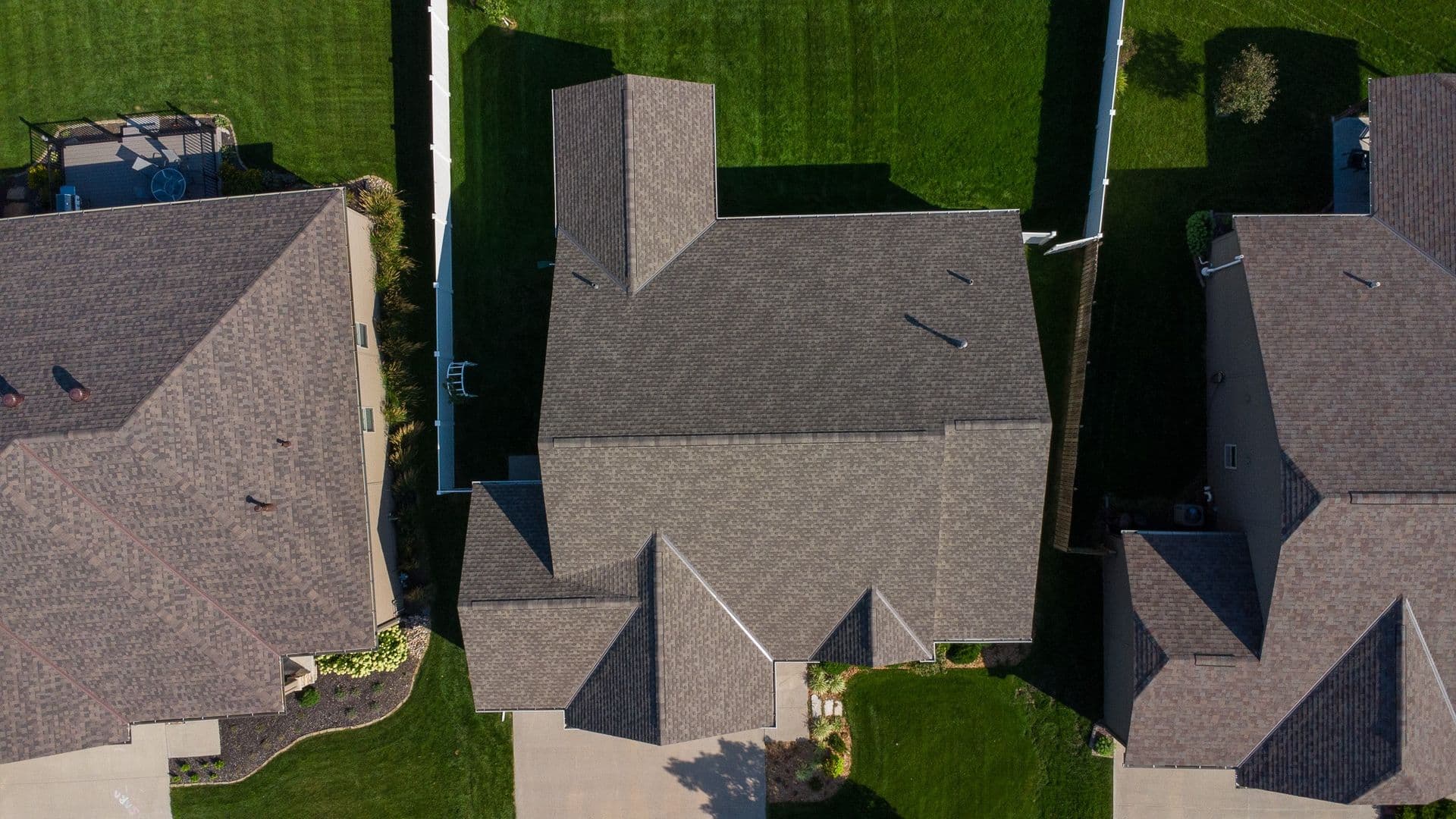
When you think of roof damage, you probably picture missing shingles or water dripping through the ceiling. But the truth is, most storm or age-related damage isn’t that obvious—especially if you’re looking from the ground.
In 2024 alone, McCoy Roofing completed roughly 1,300 repairs. Here’s the surprising part: 1,200 of them weren’t leaking.
Why Storm Damage Isn’t Always Obvious
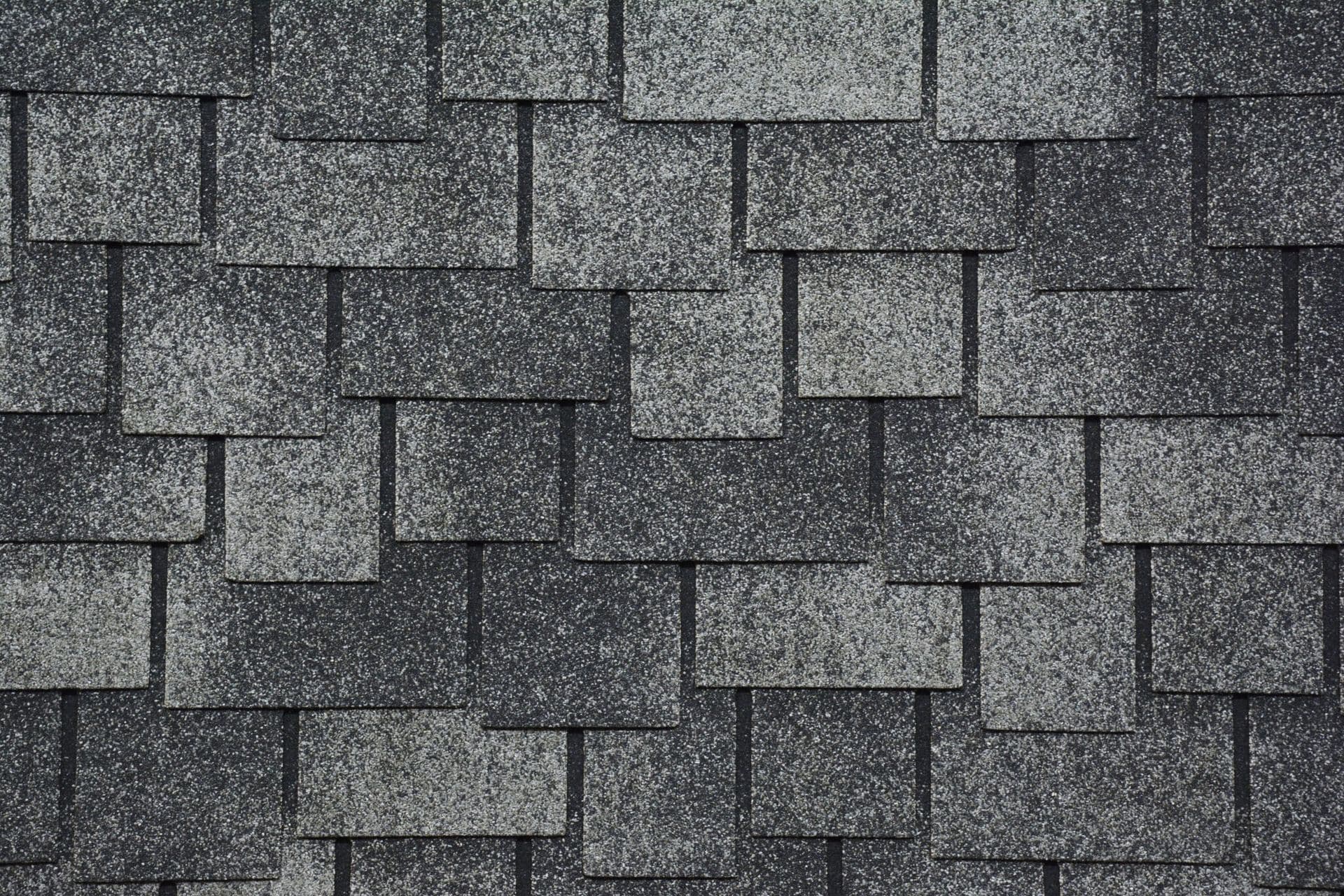
According to McCoy Roofing Sales Manager Zach Varadi, hail dents, wind damage, and manufacturing defects don’t always make noise—or show visible signs from your driveway. Zach explains, “Wind damage does not always mean the shingles are missing. In fact, most of the time it means shingles are not missing.”
Some common but subtle issues Zach sees include roof blisters from heat exposure, nail pops from nails not being sunk in properly, heat cracks and expansion damage, granular loss that wears away a shingle’s protective coating, and improper installation that shortens a roof’s life span.
“The only thing that’s loud are leaks and missing shingles,” Zach says. “But by the time it’s leaking, it’s already a bigger—and more expensive—problem.”
The Case for Annual Roof Inspections
If you’re only checking your roof from the ground and thinking, “It’s not leaking, so it must be fine,” Zach says you might be missing the silent signs of storm damage.
“Any reputable roofing company will offer free inspections,” Zach notes. “The best time is spring or fall.”
Annual documentation gives you a clear record of your roof’s health. That means you’ll know if a minor crack is stable or if your shingles have aged five years in just one season.
Think of It Like a Checkup for Your Roof
Zach believes “Information is the best defense. If you’re informed on what’s going on, and you can monitor it, then you can manage it.”
He compares it to a medical condition—sometimes an issue is isolated and stable, other times it’s spreading and needs treatment. The key is having a trusted professional who knows your roof. “Just like you have a primary care doctor, have a primary roof guy,” Zach advises. “We have a relationship with the homeowner, but also with the home. We remember problem areas, keep records, and can track changes year after year.”
More often than not, Zach’s recommendation after an inspection is simple: “Sit tight.” Every roof will have minor imperfections, but you don’t need to throw money at every single one. Still, without regular inspections, those small issues can turn into leaks—and once water gets inside, it can cause mold, mildew, and structural damage.
The Bottom Line
“The worst thing you can do as a homeowner, in regards to your roof, is have no idea what’s going on,” Zach says. “Annual inspections mean you’re prepared—you will not be caught off guard.”
Knowledge is power for homeowners. Annual roof inspections are free, easy to schedule, and give you the peace of mind that you won’t be caught off guard.
Call McCoy Roofing today to schedule your free roof inspection and make sure your home is protected—inside and out.
Request A Free Inspection!
+ 0% Interest for 24 Months

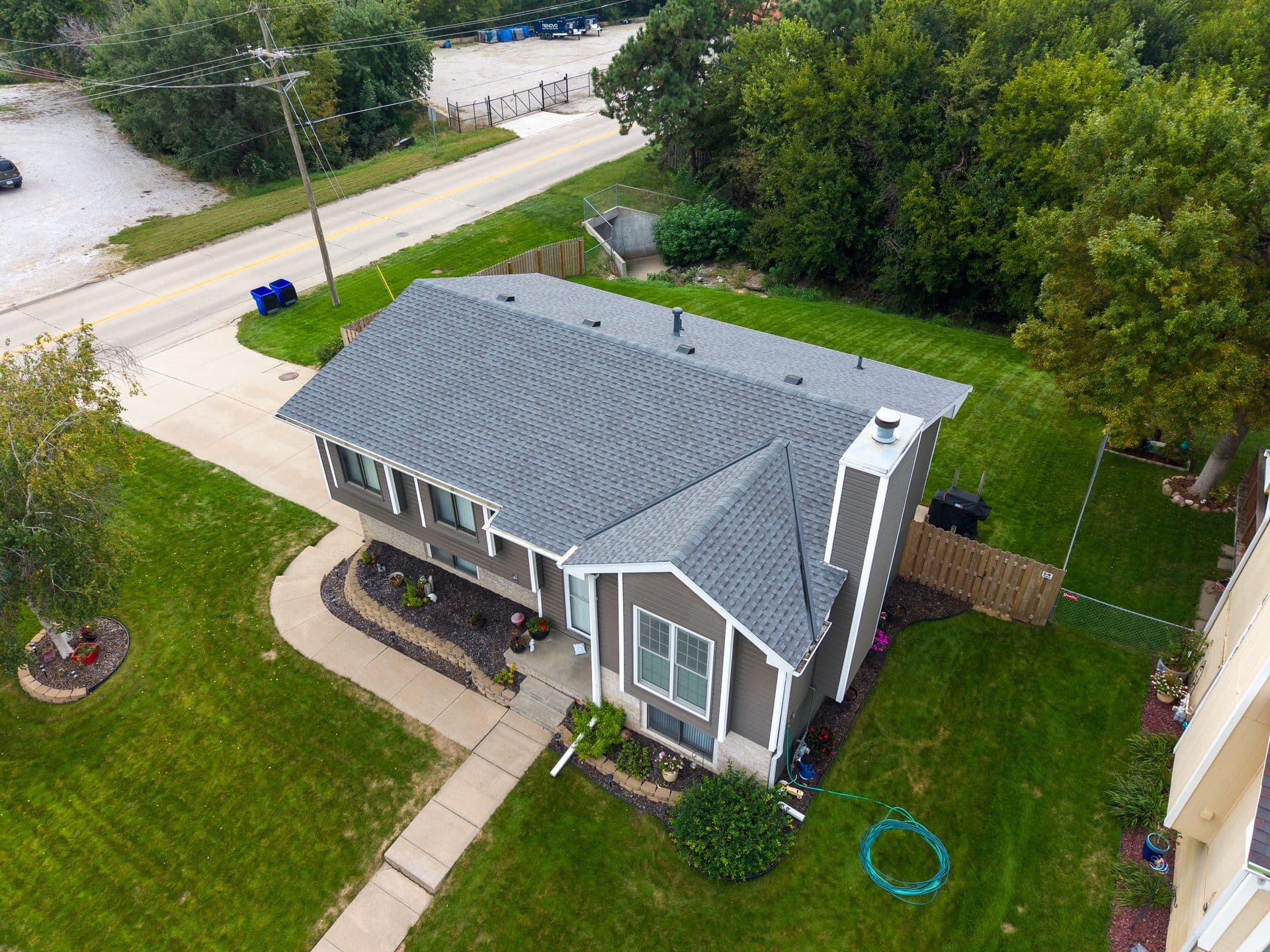

Start With a Free Roofing or Exterior Inspection in the Omaha-Lincoln Area
Begin your home or business upgrade with zero pressure and clear answers. Schedule your free home exterior review today using our easy online form, by phone, or in person at one of our local offices. Discover why so many Omaha and Lincoln neighbors trust McCoy Roofing for clarity, craftsmanship, and service that lasts.

Contact Us
-1213x485.jpg&w=1920&q=75&dpl=dpl_GYMrc4F7ZaFFq7iHFffXS1fRydYL)
Monday - Friday: 8am to 5pm
Monday - Friday: 8am to 5pm
Monday - Friday: 8am to 5pm
Monday - Friday: 8am to 5pm
Charlotte, NC 28210
Monday - Friday: 8am to 5pm