
How to Tell If Your Home Is Handling Rain Properly
A roof leak rarely happens at a convenient time.
Rain is part of life in the Midwest. But what matters isn’t just how much rain your home gets—it’s how well your home handles it.
When everything is working as it should, water moves away from your home quickly and quietly. When something is off, water starts to linger, collect, or find its way inside.
Here’s how homeowners can tell the difference.
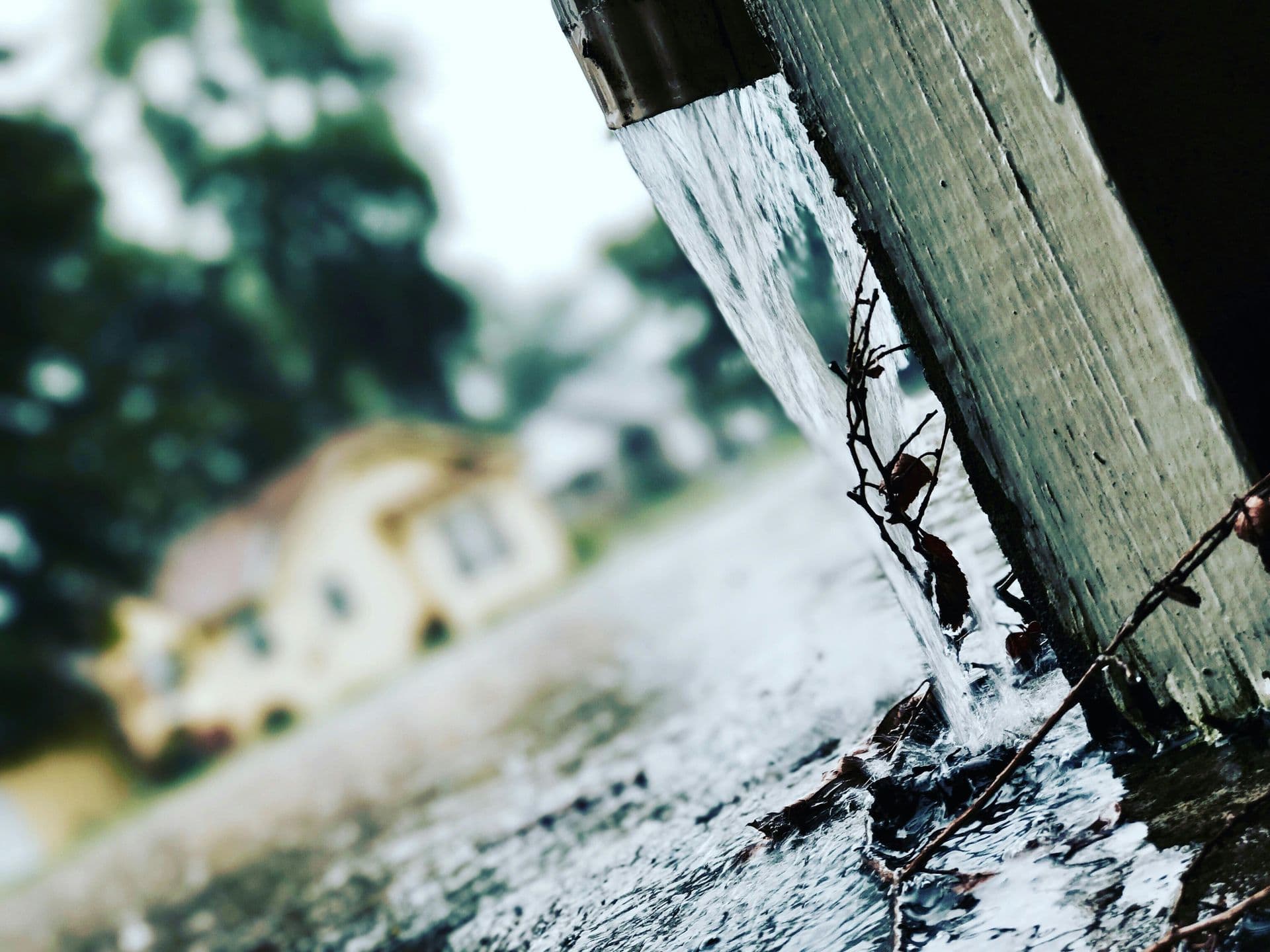
What does it mean for a home to “handle rain properly”?
It comes down to control and direction.
Your home isn’t designed to keep water off entirely—it’s designed to manage where water goes. A properly functioning exterior moves water off the roof, through the gutter system, and safely away from the foundation.
When that system works, you don’t notice it. When it doesn’t, the signs start to show.
What should homeowners look for during or after a rain?
Rain gives you one of the best opportunities to observe your home in real time.
Start by watching how water moves:
- Does water flow cleanly through your gutters and downspouts?
- Are there areas where water spills over the sides?
- Does water pool near the foundation or run back toward the home?
You should also look at your siding and trim:
- Are there streaks or splash marks?
- Do certain areas stay wet long than others?
These small observations can reveal where water isn’t being managed correctly.
What are signs that water isn’t being directed away properly?
Water rarely causes damage all at once—it builds over time.
Some early signs include:
- overflowing gutters during moderate rain
- visible pooling near the base of your home
- dark streaks or staining on siding
- soil erosion or mulch displacement near the foundation
These don’t always seem urgent, but they indicate that water is going where it shouldn’t.
How do gutters and downspouts impact all of this?
They’re the front line.
Your gutter system is responsible for catching and directing the majority of water that hits your roof. If gutters are clogged, misaligned, or undersized, water will overflow and fall directly along your home’s exterior.
Downspouts are just as important. If they don’t extend far enough away, water ends up right back at your foundation.
When gutters fail, everything below them is affected.
Are siding and windows part of the problem too?
They can be—especially over time.
Siding, trim, and window seals are designed to shed water, not absorb it. But if seams loosen or sealants wear down, water can begin to work its way behind those materials.
You may not see it immediately. But repeated exposure can lead to:
- warping
- soft spots
- hidden moisture issues
That’s why proper drainage above matters just as much as condition below.
When should a homeowner take action?
When something doesn’t look quite right.
You don’t need to wait for a leak to form. If you’re seeing overflow, pooling, or consistent wet areas, your home is telling you something.
The earlier those issues are addressed, the easier—and often less expensive—they are to fix.
How does proper water management protect the home long-term?
Water is one of the most consistent forces your home faces.
When it’s controlled, your exterior materials last longer, your foundation stays protected, and your home maintains its appearance.
When it’s not, damage tends to show up slowly—and then all at once.
Rain isn’t the problem. Poor water management is.
Taking a few minutes to observe how your home handles rain can give you a clearer picture of its condition—and help you stay ahead of issues before they become repairs.
Request A Free Inspection!
+ 0% Interest for 24 Months

Start With a Free Roofing or Exterior Inspection in the Omaha-Lincoln Area
Begin your home or business upgrade with zero pressure and clear answers. Schedule your free home exterior review today using our easy online form, by phone, or in person at one of our local offices. Discover why so many Omaha and Lincoln neighbors trust McCoy Roofing for clarity, craftsmanship, and service that lasts.
Contact Us
-1213x485.jpg&w=1920&q=75&dpl=dpl_66ZG4Cf1dCvzogVXZ85ceYWTCfFa)
Monday - Friday: 8am to 5pm
Monday - Friday: 8am to 5pm
Monday - Friday: 8am to 5pm
Monday - Friday: 8am to 5pm
Charlotte, NC 28210
Monday - Friday: 8am to 5pm