
What Should Homeowners Check After Winter Has Fully Set In? A January Roof & Exterior Guide
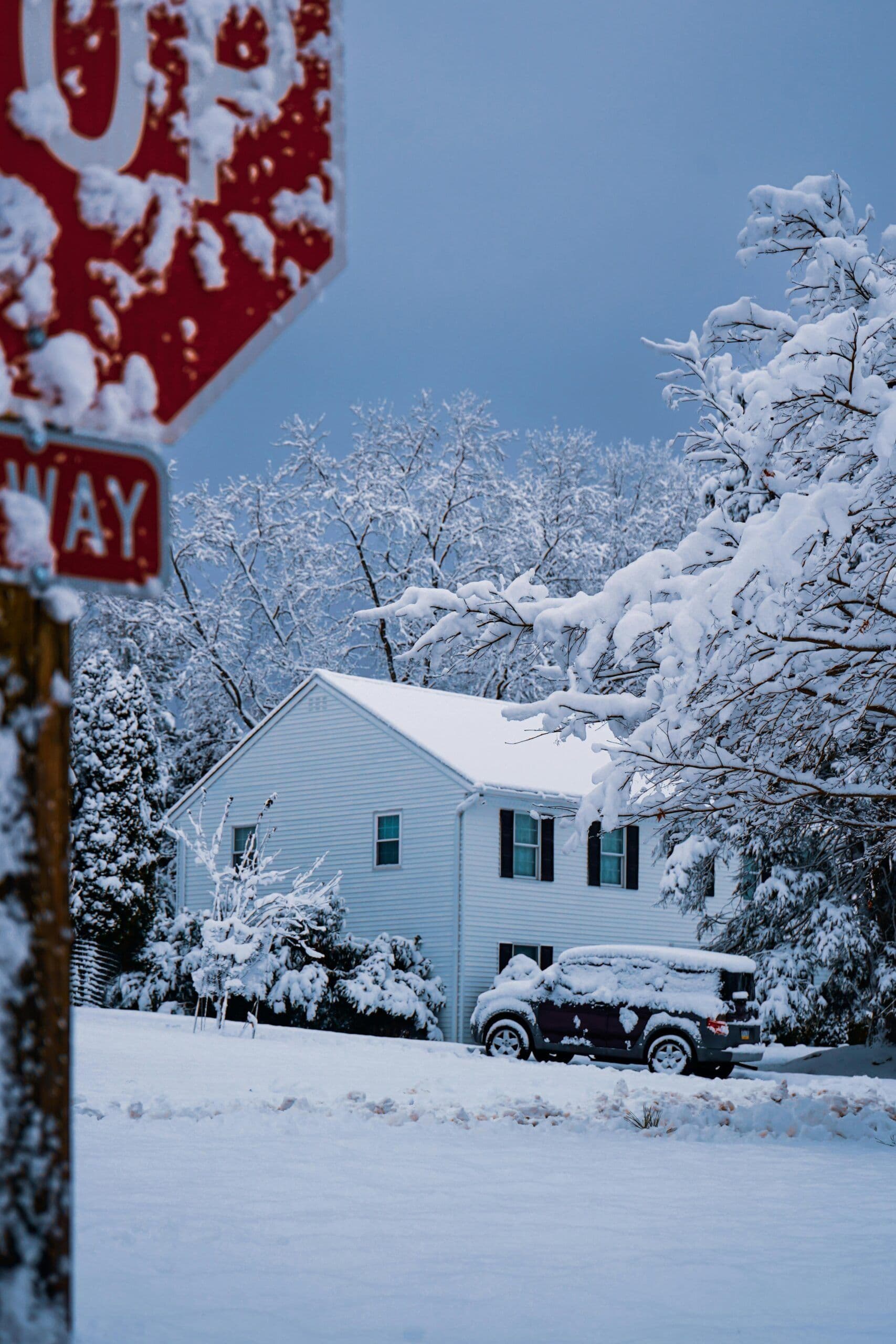
By early January, winter has settled in for good. The holidays are over, temperatures stay colder longer, and snow and ice tend to linger instead of melting away. This stretch of winter is when small issues that went unnoticed earlier can begin to show themselves.
Here’s a simple guide to what homeowners should pay attention to now—and why January matters.
Why Does January Reveal More Roof Issues Than Early Winter?
In December, winter weather often comes and goes. In January, it stays.
Longer periods of cold mean:
- Snow sits on the roof for extended time
- Attic temperature imbalances become more noticeable
- Ice has more opportunity to build up
- Wind exposure compounds existing weaknesses
January doesn’t usually cause new problems—it exposes the ones that were already there.
What Should Homeowners Look for on Their Roof Right Now?
You don’t need to climb anything. A ground-level check is enough.
Pay attention to:
- Uneven snow melt — bare patches or striping can indicate heat loss or insulation gaps
- Icicles forming consistently — often tied to attic airflow issues
- Shingles that appear lifted or crooked — especially after wind
- Gutters holding ice or pulling away
If something looks different than it did earlier in winter, it’s worth noting.
What Interior Signs Matter Most in January?
January is often when homeowners first notice changes inside the home.
Watch for:
- New or growing water spots on ceilings or walls
- Condensation on windows that wasn’t there before
- Rooms that feel noticeably colder than others
- Drafts near windows or doors
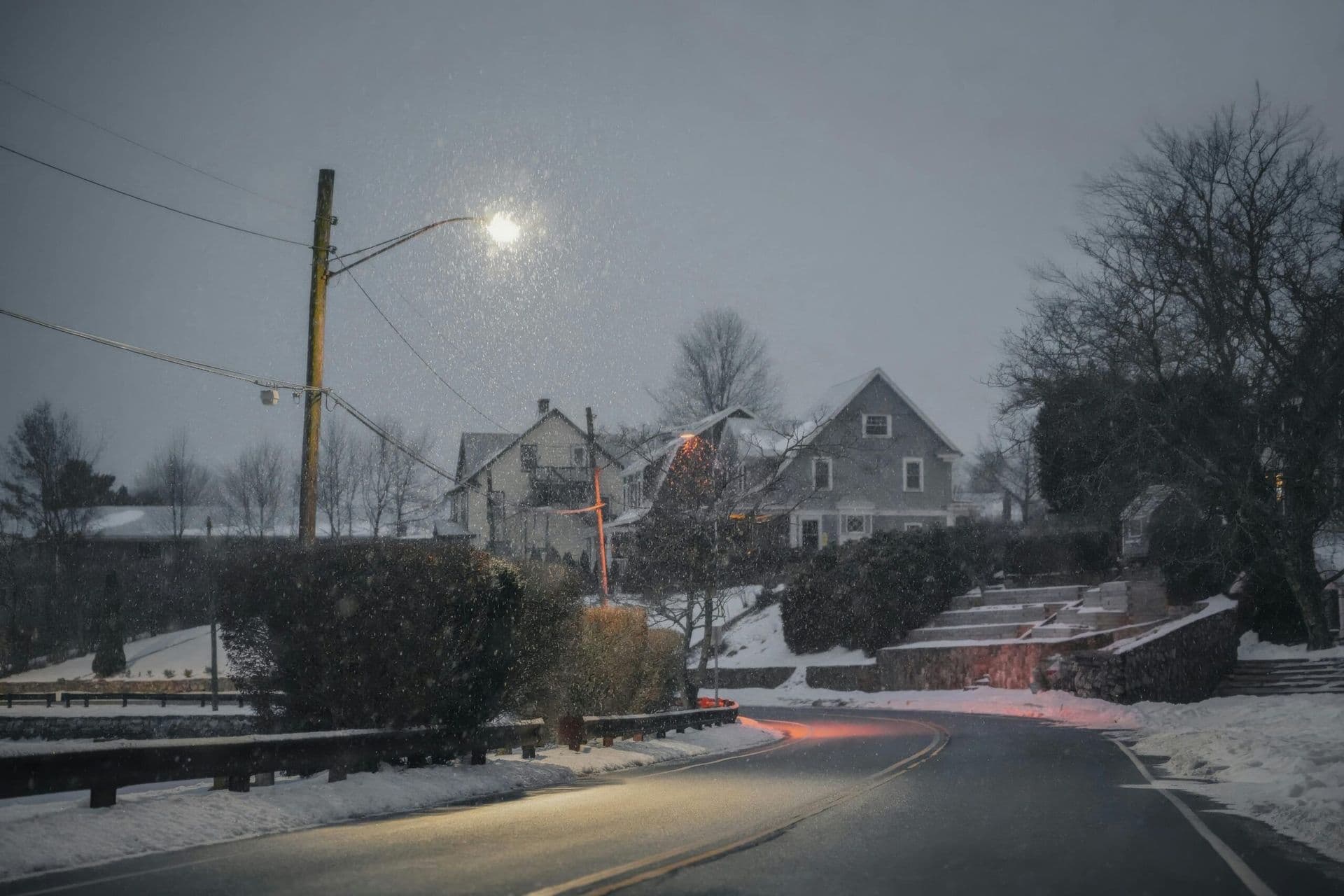
These signs don’t always point to a roof problem—but they often point to airflow, insulation, or ventilation issues that affect the roof system as a whole.
Is Snow Load a Concern This Time of Year?
In most cases, no.
Homes are designed to handle significant weight from snow. January snow accumulation is normal and expected. The bigger concern isn’t weight—it’s what happens when snow melts, refreezes, and melts again.
That cycle is what leads to ice dams, moisture intrusion, and gutter stress.
If snow ever does need to be removed, it should be done professionally. Improper removal causes more damage than snow itself.
What’s the Best Way to Stay Ahead for the Rest of Winter?
January is a good time to pause, observe, and document.
Simple steps:
- Take photos of anything that looks unusual
- Make note of recurring icicles or melt patterns
- Pay attention to new interior changes
- Schedule an inspection if something doesn’t feel right
Winter problems rarely improve on their own—but catching them early often means simpler solutions.
The Bottom Line: January Is About Awareness, Not Alarm
This part of winter isn’t about panic or major repairs. It’s about noticing what your home is showing you now that cold weather has settled in.
A few minutes of observation can prevent bigger headaches later in the season.
For more winter homeowner guidance,
visit mccoyroofing.com/blog.
Request A Free Inspection!
+ 0% Interest for 24 Months
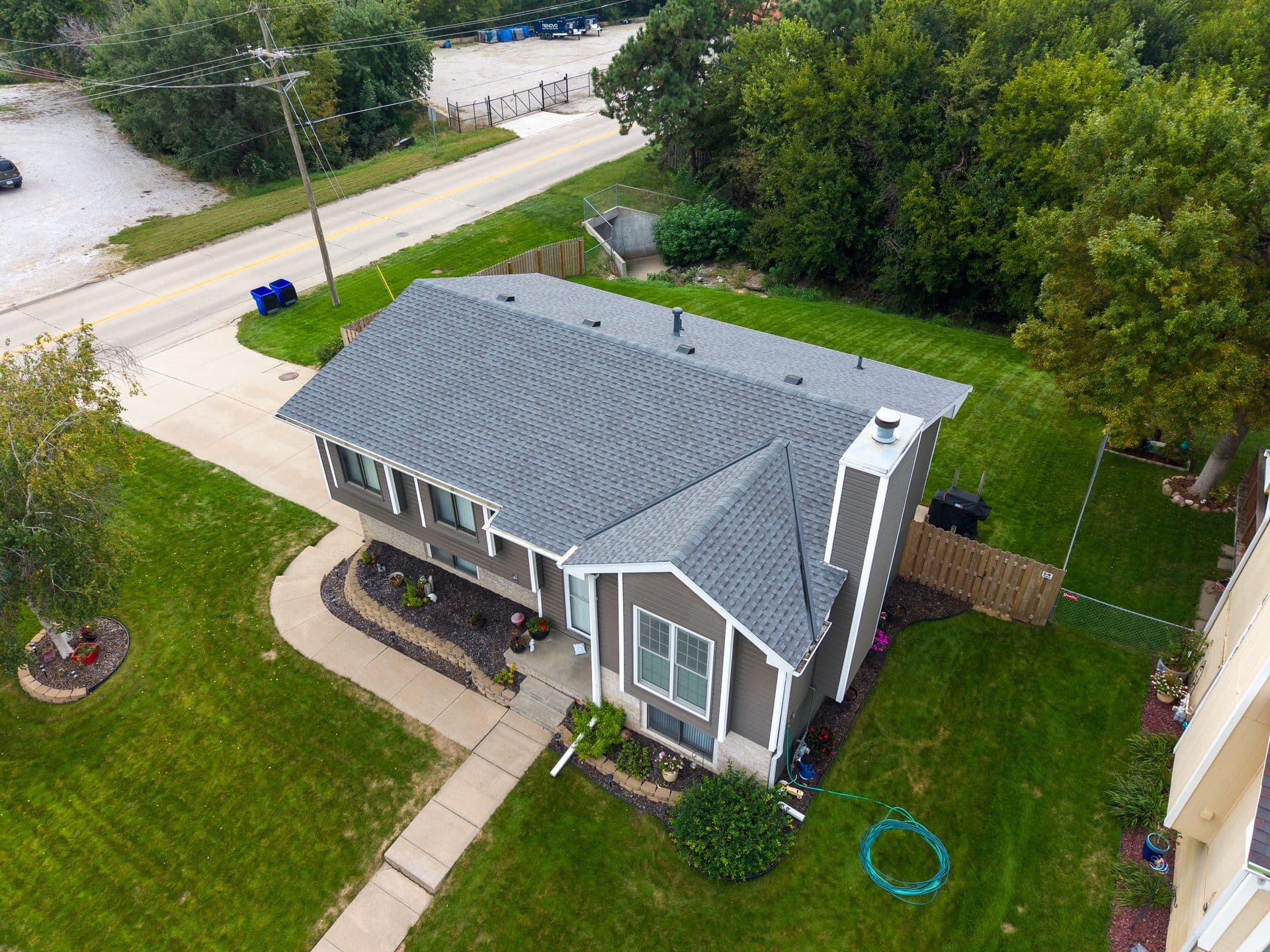

Start With a Free Roofing or Exterior Inspection in the Omaha-Lincoln Area
Begin your home or business upgrade with zero pressure and clear answers. Schedule your free home exterior review today using our easy online form, by phone, or in person at one of our local offices. Discover why so many Omaha and Lincoln neighbors trust McCoy Roofing for clarity, craftsmanship, and service that lasts.

Contact Us
-1213x485.jpg&w=1920&q=75&dpl=dpl_GYMrc4F7ZaFFq7iHFffXS1fRydYL)
Monday - Friday: 8am to 5pm
Monday - Friday: 8am to 5pm
Monday - Friday: 8am to 5pm
Monday - Friday: 8am to 5pm
Charlotte, NC 28210
Monday - Friday: 8am to 5pm