
What Should Homeowners Check After the First Winter Storm? A Guide for Early Winter Weather
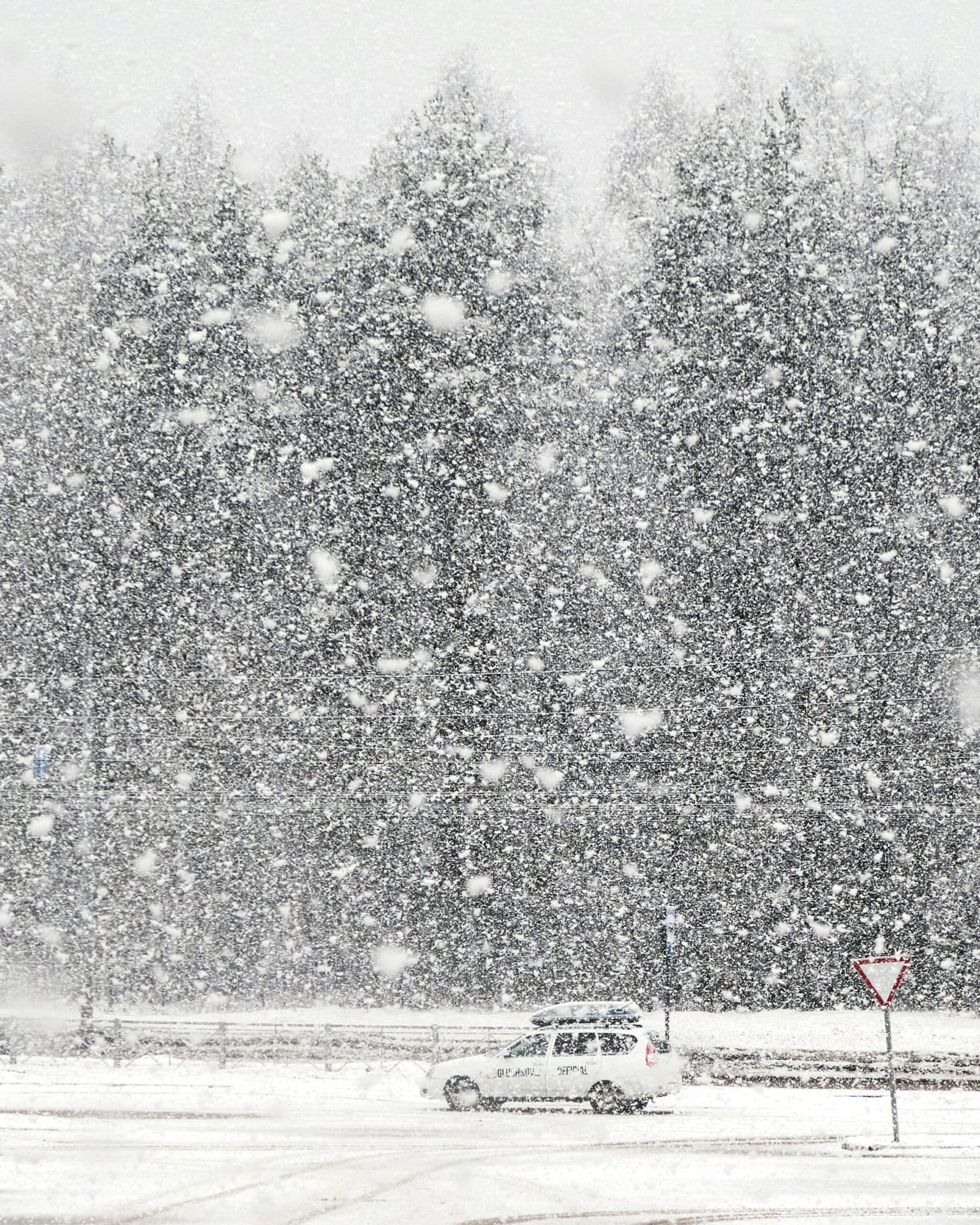
The first snow of the season always feels exciting—until you remember what it can reveal about your home’s exterior health. Early winter storms expose issues with your shingles, gutters, windows, doors, and attic ventilation long before temperatures hit their coldest.
To help homeowners spot problems early and avoid bigger repairs later in the season, we spoke with McCoy Roofing Sales Manager Zach Varadi about what to look for right now.
What’s the First Thing You Should Look for on Your Roof After a Snowfall?
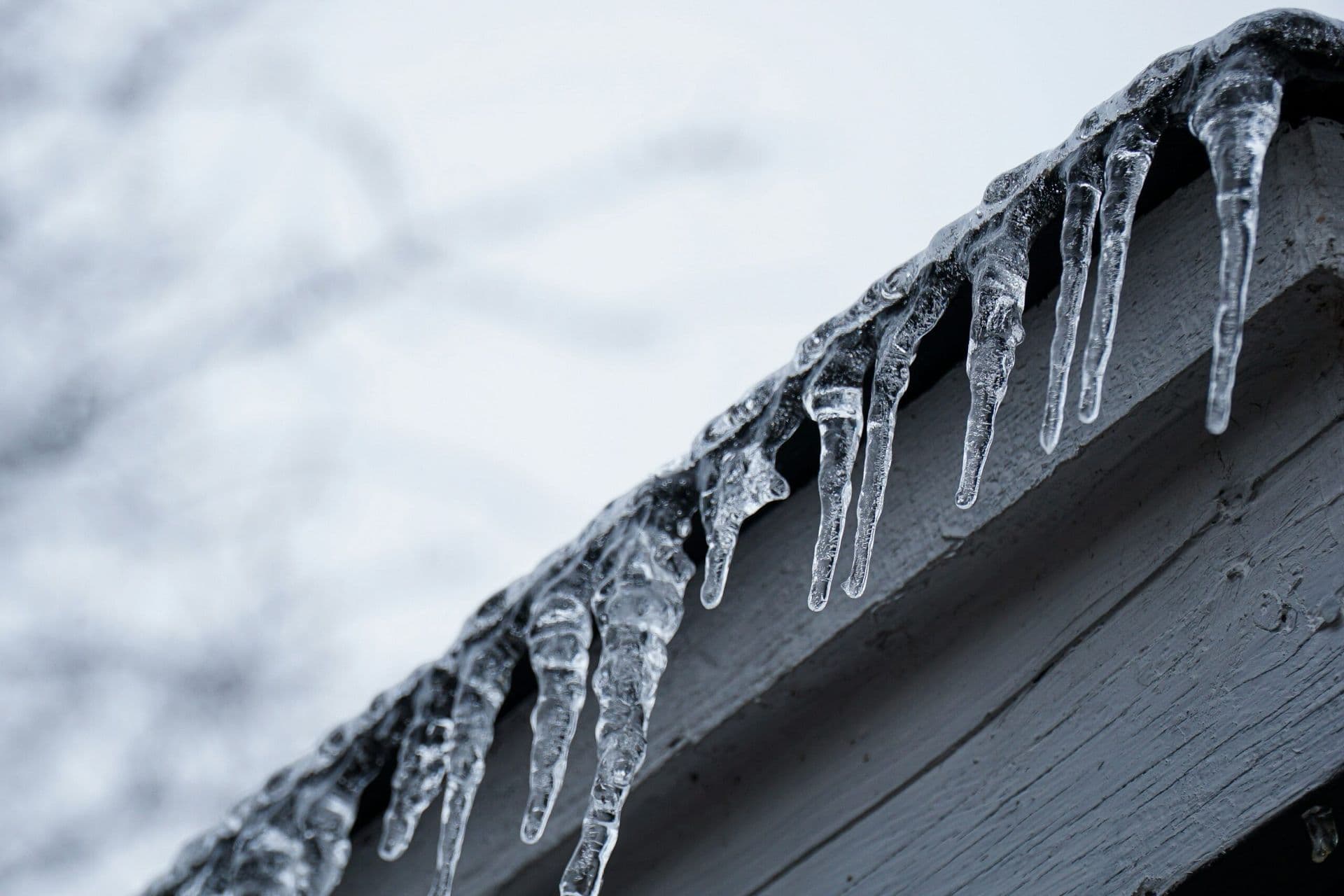
“Look for icicles,” says Zach. “Icicles are a symptom of a problem. The problem can be many things, but at least you know.”
Icicles often signal that melted snow is refreezing at the edges of your roof—a classic sign of early ice dam formation. While a few small icicles are common, larger or growing ones should be documented.
Zach recommends three simple steps:
- Take pictures of icicles, gutter sagging, or snow buildup
- Make notes about where the issue is occurring
- Wait for warmer weather to safely take a closer look—or have a professional review it sooner
He also warns against rushing into DIY fixes. “If your gutters aren’t hung quite right, or things like that, the icicles will show you. But don’t try to break them off. Just document it.”
How Can You Tell if Snow or Ice Has Already Damaged Your Roof or Gutters
“The obvious stuff is what you’ll notice first,” says Zach. But he notes that snow and ice rarely damage shingles on their own. The real danger comes when homeowners try to remove the snow.
“Snow and ice don’t damage shingles as much. It’s more when you try to remove it,” he says. “If you do do that, it will damage the shingles. I’ve seen plenty of roofs where the sides have damage to it.”
What to watch for:
- Gutters bending, pulling away, or holding unusual weight
- Visible dents or tears from attempted removal
- Shingles broken or scraped along the edges
If you’re unsure whether something is normal winter wear or a real concern, it’s safer to get an exterior review than risk causing more damage.
What Should You Check Inside Your Home for Early Signs of Moisture Problems?
Zach says water spots are one of the earliest red flags of winter-related issues.
“Make a note, document it,” he advises. Water spots may signal condensation, attic airflow issues, or humidity imbalance—not necessarily a roof leak.
One surprising cause? Whole-home humidifiers.
“If your home has a humidifier, make sure it’s on the winter setting. If the humidity is too high, it can cause condensation issues, which will appear as water spots on a ceiling,” Zach explains. “I’ve fixed a lot of water spots by going up to a wall and turning a dial down on the humidity.”
A simple adjustment now can prevent weeks of moisture headaches later.
What Can Cold Snaps Reveal About Your Windows and Doors?
Cold air around your windows or doors isn’t something to ignore.
“If you hold your hand up close to the glass without touching it, and you can feel excessive coldness, that could be a sign that your windows are either: 1. Not insulated very well, or 2. Possibly failing,” Zach says.
He recommends having McCoy Roofing check for seal failures if you suspect window issues.
Doors reveal themselves in a different way: sound.
“If you hear whistling when the wind blows, that means your door is not sealed properly,” Zach explains. A simple test is to run the back of your hand along the door frame to feel for drafts.
If you find them, it’s time for an adjustment—or a replacement.
How Does Early-Season Snow Lead to Ice Dams Later in Winter?
“The longer snow is on the roof, the more risk of ice dams there is,” Zach explains.
When snow sits for extended periods—especially in shady areas—it creates layers of insulation that trap melting water beneath. That trapped water eventually refreezes at the eaves.
Key points to remember:
- A week or two of snow is usually not an issue
- Months of undisturbed snow increases the risk
- Uneven melting is the main culprit
If early snow has already created icicles or ice ridges, that’s a sign your attic ventilation may need attention before the deeper winter arrives.
What Mid-Winter Maintenance Prevents Minor Issues From Becoming Major Problems?
Zach keeps it simple: “Wait. Call a professional.”
He reminds homeowners that homes are built to support heavy loads.
“Snow loads are designed into building codes,” he explains. “Your house can support a lot more weight than you think it can. Think of all the weight of the old shingles with the new roof, plus ten guys. The house doesn’t collapse. So the snow will not be a weight issue.”
In the rare case that snow does need to be removed, Zach’s advice is firm: “Call the professionals.”
DIY removal is the fastest way to turn a small winter concern into a full roof replacement.
The Bottom Line: How Can Homeowners Stay Ahead of Winter Damage?
Early snow is a helpful warning sign. It shows where heat escapes, where airflow is restricted, and where exterior components may be aging.
The best next step is simple: Have McCoy Roofing perform a winter exterior review before temperatures drop further.
We can help you identify:
- Ice dam risks
- Failing seals on windows and doors
- Gutter concerns
- Ventilation or humidity issues
- Moisture indicators inside the home
Winter problems rarely fix themselves—but the right inspection now can prevent costly repairs later.
Visit mccoyroofing.com or call 402-616-7304 to schedule your winter exterior review.
Request A Free Inspection!
+ 0% Interest for 24 Months


Start With a Free Roofing or Exterior Inspection in the Omaha-Lincoln Area
Begin your home or business upgrade with zero pressure and clear answers. Schedule your free home exterior review today using our easy online form, by phone, or in person at one of our local offices. Discover why so many Omaha and Lincoln neighbors trust McCoy Roofing for clarity, craftsmanship, and service that lasts.

Contact Us
-1213x485.jpg&w=1920&q=75&dpl=dpl_GYMrc4F7ZaFFq7iHFffXS1fRydYL)
Monday - Friday: 8am to 5pm
Monday - Friday: 8am to 5pm
Monday - Friday: 8am to 5pm
Monday - Friday: 8am to 5pm
Charlotte, NC 28210
Monday - Friday: 8am to 5pm