
What Are Ice Dams and How Do You Prevent Them? An Expert Guide for Homeowners
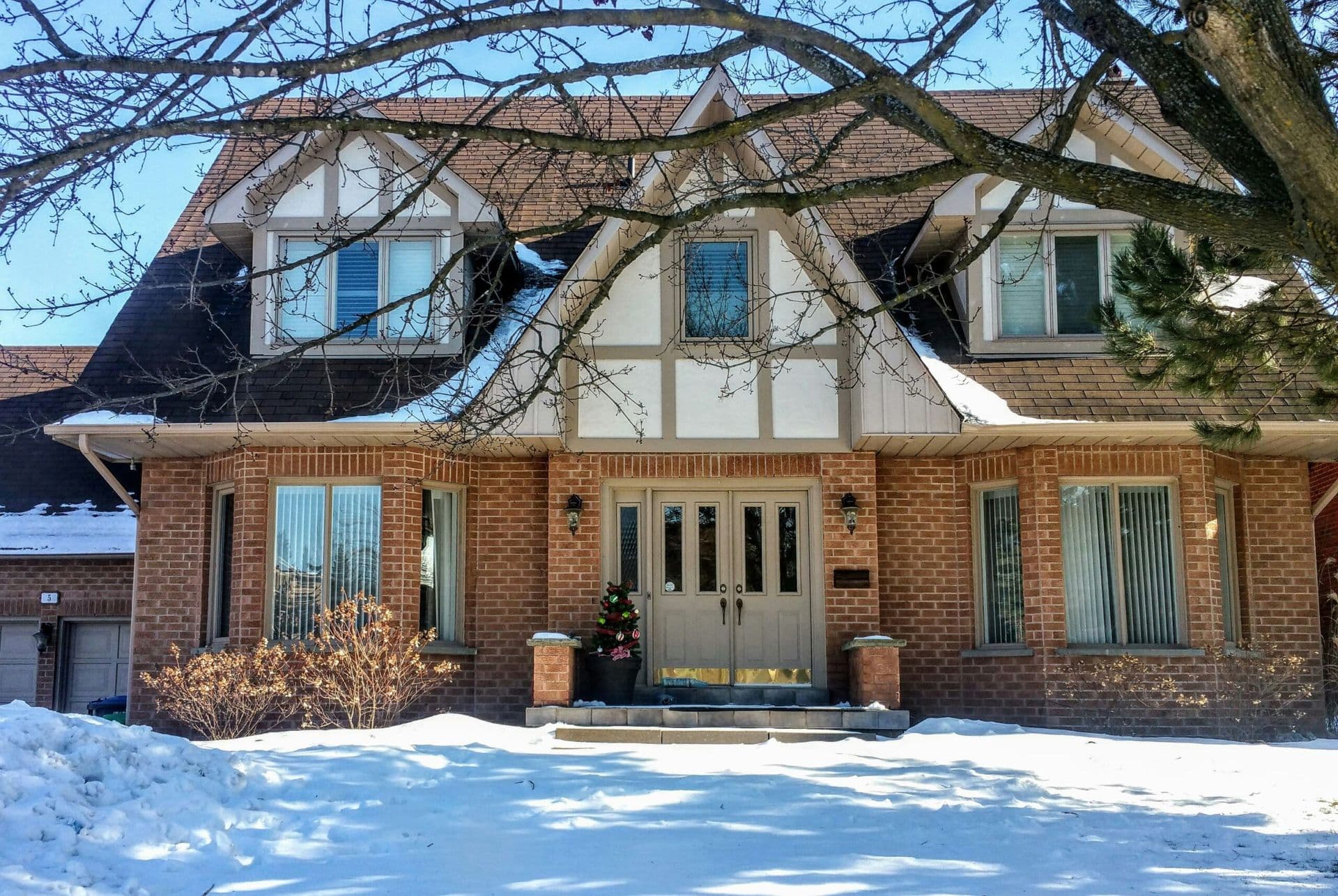
Every winter, homeowners across the Midwest deal with a frustrating (and sometimes costly) issue: ice dams. These heavy ridges of ice can lead to leaking, gutter damage, and long-term issues if left untreated. To help homeowners understand the cause, the danger, and the long-term solutions, we spoke with McCoy Roofing’s Operations Manager Paul Browne and Sales Manager Zach Varadi.
What Exactly Is an Ice Dam?
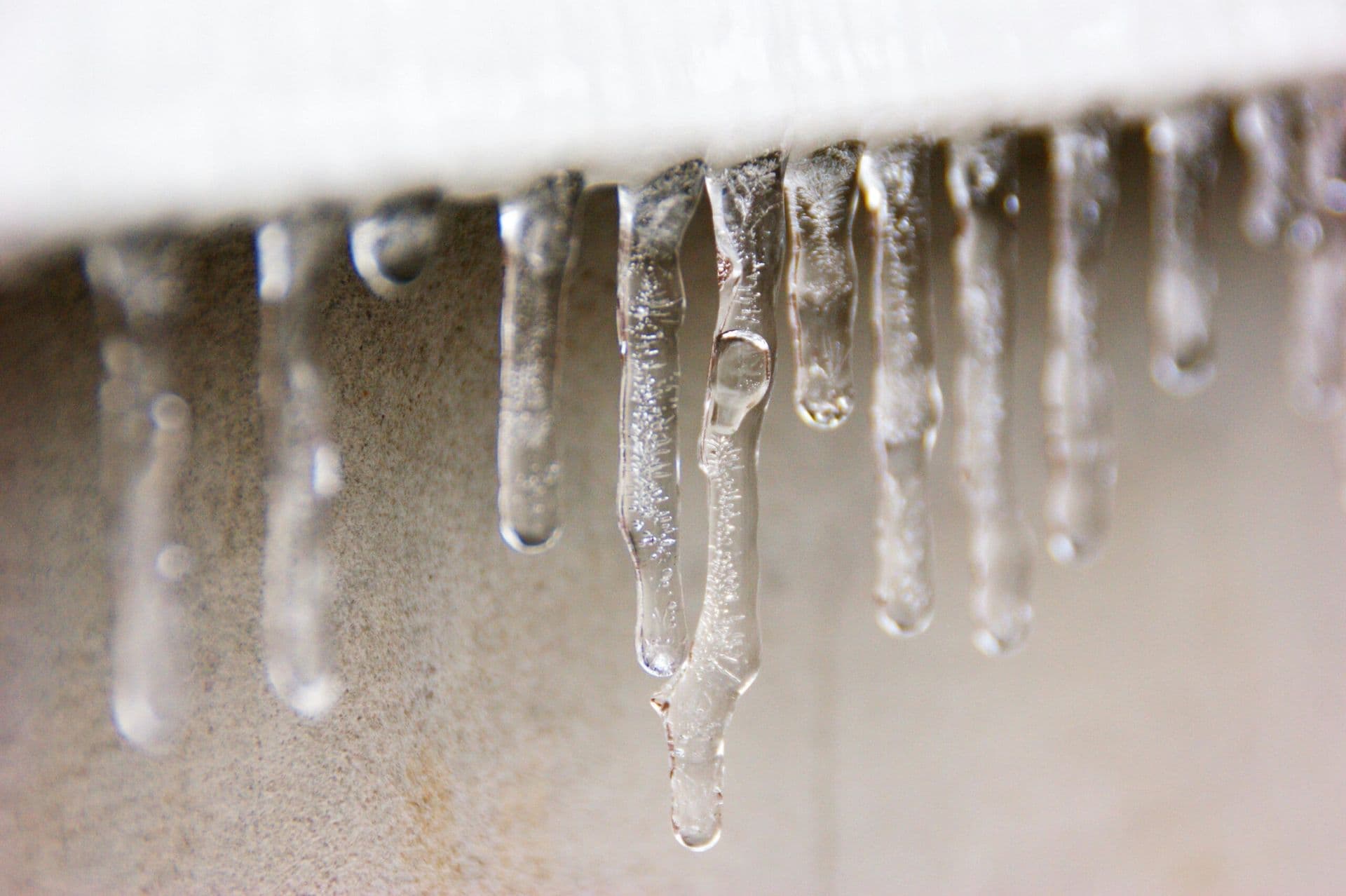
“Ice dams are just ice buildup around a gutter area,” explains Paul. “They’re typically caused by airflow issues—or can be rectified with airflow issues—in the attic.”
Ice dams form when warm attic air melts the snow sitting on your roof. As the melted water runs down to the colder eaves and gutters, it refreezes, creating a ridge of ice that prevents future snowmelt from draining properly.
Paul notes that ice and water shield is designed to help protect against backup and leaks. In some cases, homeowners may also benefit from heat coils specifically made for ice dam prevention.
What Causes Ice Dams to Form?
Zach breaks it down simply: “Your attic gets hot, the snow melts, water comes down, and freezes.”
Poor ventilation is the root cause. If heat isn’t dispersed evenly through the attic, warm spots form under the roof deck—leading to uneven melting and refreezing.
Paul adds, “They’re typically not caused by a new roof install.”
Zach reinforces the point: “It really has nothing to do with the roof—it’s all about attic insulation.”
The takeaway: roofs don’t cause ice dams. Attic conditions do.
How Can I Tell If I Have an Ice Dam Problem?
“If you’ve got ice forming a dam,” Zach says, “that’s it.”
There are a few big giveaways:
- Icicles: caused by melted water refreezing at the edges
- Ice and snow built up around the gutters
- Gutters bending or pulling away from added weight
Paul warns, “If you see ice and snow buildup around your guttering, it can cause extra weight on the gutters and cause them to rip away from the house.”
If the ice ridge looks thick, unusually heavy, or continues growing after a warm spell, you likely have an attic airflow or insulation issue beneath the surface.
What’s the Safest Way to Remove an Ice Dam?
Zach offers a simple rule of thumb: “Look at icicles from the side.” Anything larger than a small icicle may indicate a bigger issue—and removing it yourself can be dangerous.
Both experts agree: call a professional.
“I’ve seen a lot of damage,” says Zach. “I’ve seen the results of someone taking a rake.”
Paul adds, “If it’s up there, call a professional to remove it—or allow it to dissipate naturally.”
Zach compares it to a common experience: “It’s like a pimple. There are a lot of things you could do, but the usual answer is just wait for it to go away naturally—then solve the cause.”
DIY removal often causes more harm to your shingles, gutters, or siding than the ice dam itself.
How Can I Prevent Ice Dams for Good?
Paul jokes, “Move to Florida.”
Since that’s not realistic for most homeowners, proper attic ventilation is the key. “You need to make sure your ventilation is all unclogged for proper airflow in your attic space,” he says.
Zach compares it to lawn care: “It’s like asking for a perfect yard all the time without working on it, which is impossible. You’ll never get the perfect balance, and it takes work.”
Key long-term prevention steps include:
- Improving attic airflow by clearing vents
- Upgrading insulation to maintain even temperatures
- Checking for blocked soffits
- Ensuring proper attic intake and exhaust ventilation
- Using heat coils in homes with architectural designs that restrict natural airflow
“Sometimes house design might disrupt airflow in the attic,” Paul explains. “In that case, a heat coil may be the best option.”
Prevention comes down to managing attic temperature—not replacing your roof.
The Bottom Line: How Can Homeowners Handle Ice Dams Safely?
Ice dams are common, but they’re almost always preventable with the right attic airflow and insulation. If you’re unsure whether you have an ice dam—or if it’s safe to remove—McCoy Roofing can inspect your home and help you identify the root cause before winter weather makes it worse.
Request A Free Inspection!
+ 0% Interest for 24 Months


Start With a Free Roofing or Exterior Inspection in the Omaha-Lincoln Area
Begin your home or business upgrade with zero pressure and clear answers. Schedule your free home exterior review today using our easy online form, by phone, or in person at one of our local offices. Discover why so many Omaha and Lincoln neighbors trust McCoy Roofing for clarity, craftsmanship, and service that lasts.

Contact Us
-1213x485.jpg&w=1920&q=75&dpl=dpl_GYMrc4F7ZaFFq7iHFffXS1fRydYL)
Monday - Friday: 8am to 5pm
Monday - Friday: 8am to 5pm
Monday - Friday: 8am to 5pm
Monday - Friday: 8am to 5pm
Charlotte, NC 28210
Monday - Friday: 8am to 5pm