
Snow, Wind, and Warranty: What Winter Weather Can Do to Your Roof
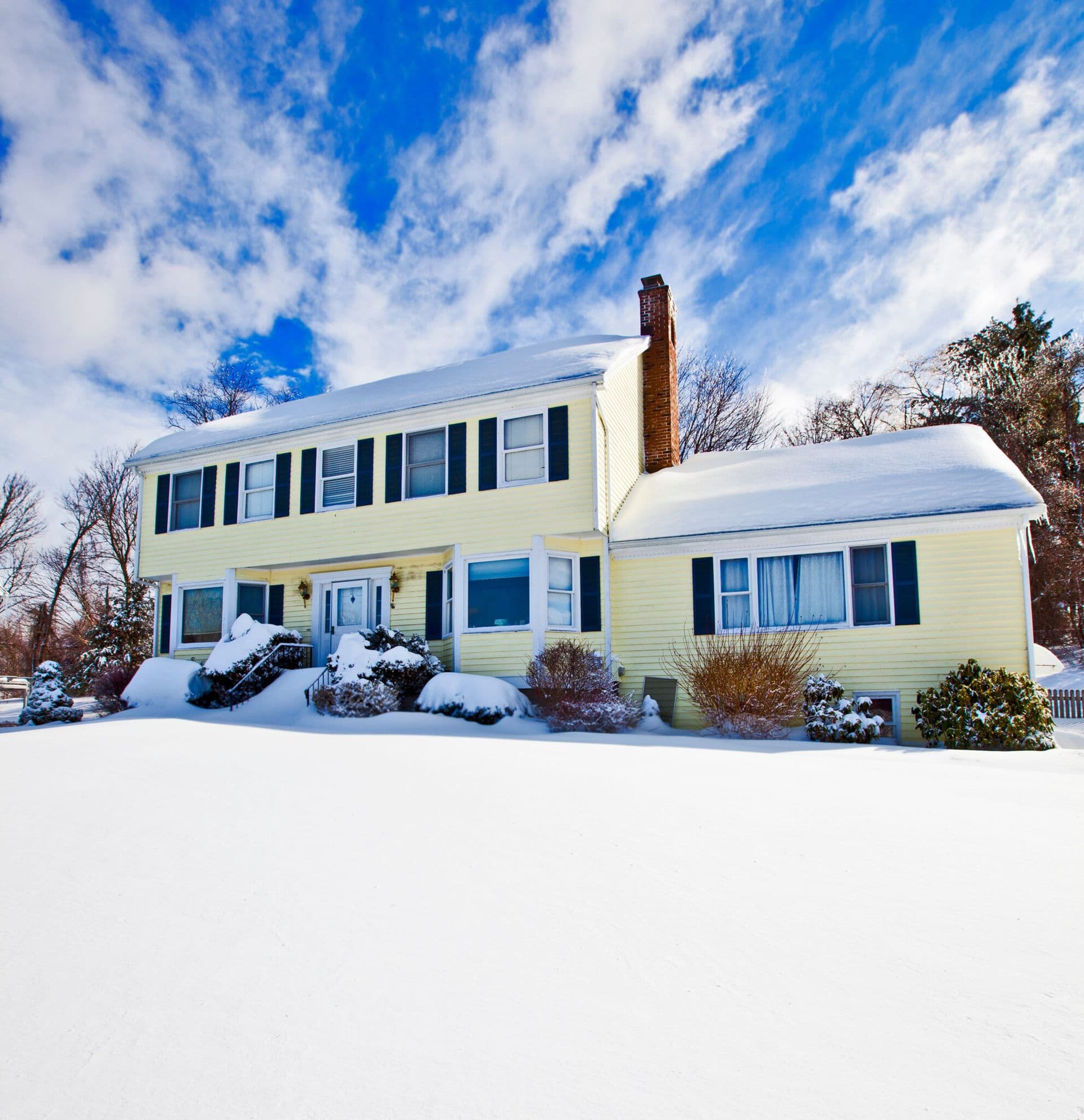
The Midwest winter season brings more than cold mornings and icy windshields—it puts your roof to the test. Snow, freezing temperatures, and strong winds all play a role in how well your shingles perform, and understanding what to watch for can help prevent damage before it becomes costly.
To help homeowners stay ahead of winter weather issues, we spoke with McCoy Roofing’s Operations Manager, Paul Browne.
How Do Freezing Temperatures Affect Asphalt Shingles and Their Ability to Self-Seal?
“Asphalt shingles don’t adhere as well under 50 degrees Fahrenheit,” Paul explains. “That’s when shingles don’t adhere as well, raising the risk of shingles getting blown off. Most manufacturers recommend minimum daytime temperature of 50 degrees for installing shingles.”
Shingles rely on heat to activate the sealant strips along their underside. During warm seasons, the sun warms the roof enough for those strips to bond tightly. But in colder temperatures:
- The sealing process slows or pauses completely
- Wind can more easily lift edges or entire shingles
- Roofs installed late in the season may need time and warmer temperatures for the seal to cure fully
If your roof was recently installed, or if you suspect shingles haven’t sealed properly, early winter winds can expose weaknesses fast.
What Kinds of Winter Damage Are Typically Covered Under Roofing Warranties—and What Isn’t?
According to Paul, winter by itself doesn’t usually cause shingle failures.
“There isn’t really winter-specific issues with shingles. The main issues you come across with winter are air-flow issues, which lead to condensation issues in the attic space.”
Most shingle warranties cover manufacturing defects—not problems caused by:
- Improper attic ventilation
- Condensation or moisture buildup
- Blocked or dirty soffit vents
- Ice dams created by warm attic air
Paul emphasizes one key preventative step: “To avoid this, it’s important to make sure your soffit vents are cleaned regularly.”
Dust, debris, or even wind-blown snow can clog soffit vents, limiting intake airflow and increasing the chances of condensation in the attic. In some cases, incorrect vent installation can contribute to the issue as well.
Can Strong Winter Winds Loosen Shingles Even If the Roof Looks Fine from the Ground?
“Yes,” Paul says. “Especially if shingles have not adhered fully.”
Even if your roof appears intact from the street, winter winds can lift unsealed or partially sealed shingles. This can create gaps that allow water to penetrate the roof system—leading to leaks, attic damage, or compromised decking.
If shingles blow off, Paul recommends acting quickly.
“They can come out and tarp over the area to make sure moisture does not penetrate into the attic space and damage the decking of the roof.”
If you’re in the Omaha or Lincoln areas, call McCoy Roofing immediately for emergency tarping or inspection.
What Should Homeowners Document After a Winter Storm to Protect Their Warranty or Insurance Claims?
Paul’s recommendation is straightforward:
“Any damage that you can see from the ground level.”
This includes:
- Raised or lifted shingles
- Shingles missing entirely
- Gutter damage from ice dams
- Visible sagging or deformation
- Ice dams forming at the eaves
“Also, report any ice dams that form during the winter ASAP as this is related to air-flow issues,” Paul adds.
Photos and notes taken immediately after a storm provide a valuable record for both warranty evaluations and insurance adjusters—especially if conditions worsen later in the season.
How Often Should Roofs Be Visually Inspected During Harsh Winter Conditions?
“After any serious weather event, the roof should be inspected from ground level at least,” Paul says. He also recommends professional inspections at two key moments:
- Before winter arrives to establish a baseline
- After winter ends to catch problems before spring rains
“Prevention is always better than restoration,” Paul emphasizes. Early detection often means a simple fix instead of a major repair.
The Bottom Line: What’s the Best Way to Protect Your Roof This Winter?
Cold weather exposes weaknesses—improperly sealed shingles, poor attic airflow, clogged soffits, and wind-vulnerable areas. The best protection is a combination of documentation, awareness, and timely professional inspections.
If you’re unsure whether the storm affected your roof, or if you’ve noticed raised shingles, ice dams, or gutter issues, McCoy Roofing can help.
Visit mccoyroofing.com or call 402-616-7304 to schedule a winter roof inspection or storm review.
Request A Free Inspection!
+ 0% Interest for 24 Months

Start With a Free Roofing or Exterior Inspection in the Omaha-Lincoln Area
Begin your home or business upgrade with zero pressure and clear answers. Schedule your free home exterior review today using our easy online form, by phone, or in person at one of our local offices. Discover why so many Omaha and Lincoln neighbors trust McCoy Roofing for clarity, craftsmanship, and service that lasts.
Contact Us
-1213x485.jpg&w=1920&q=75&dpl=dpl_GYMrc4F7ZaFFq7iHFffXS1fRydYL)
Monday - Friday: 8am to 5pm
Monday - Friday: 8am to 5pm
Monday - Friday: 8am to 5pm
Monday - Friday: 8am to 5pm
Charlotte, NC 28210
Monday - Friday: 8am to 5pm