
Is Cold Weather a Good Time to Schedule Exterior Upgrades?
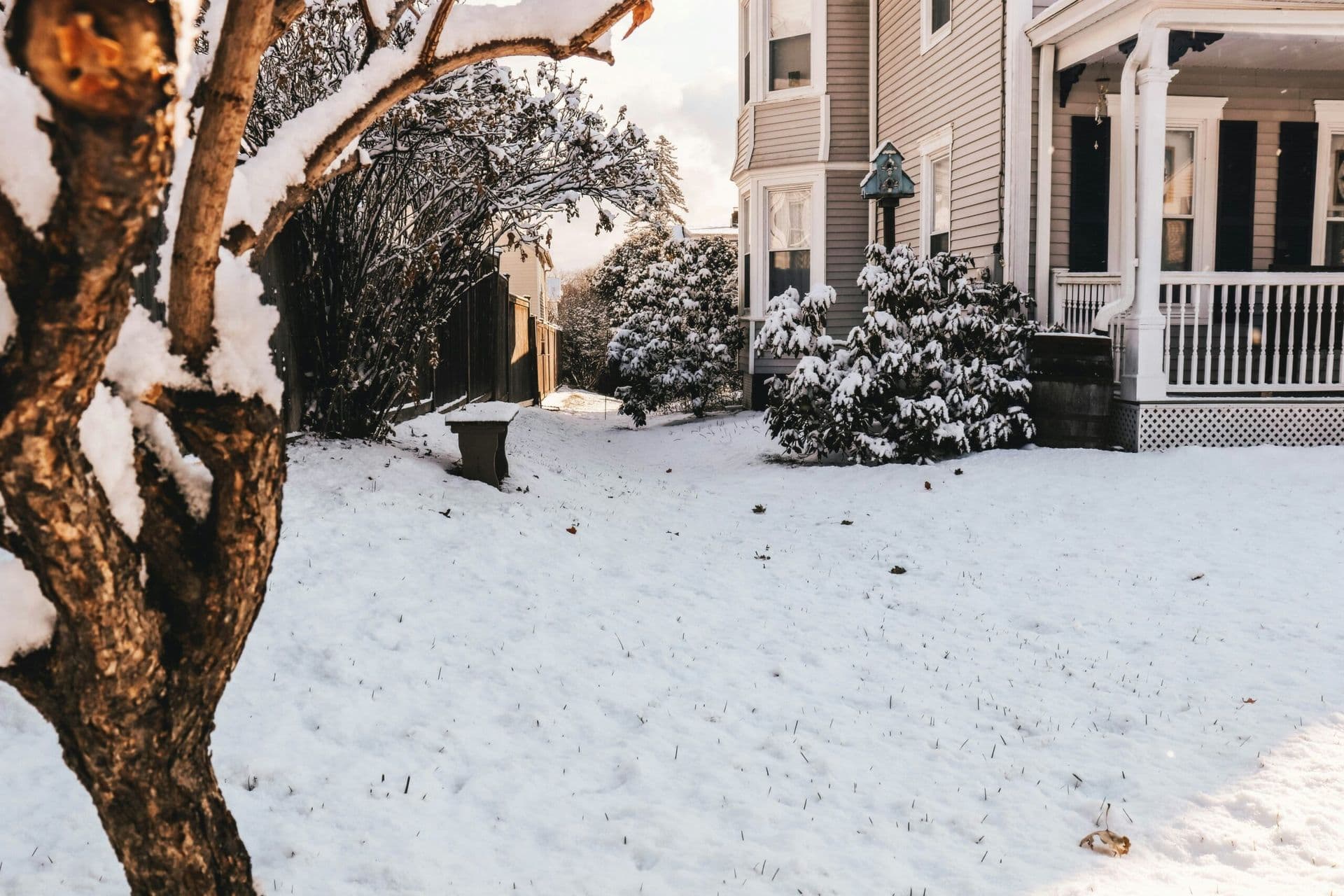
When temperatures drop, most homeowners stop thinking about their roof, siding, or windows. But according to McCoy Roofing’s Sales Manager, Zach Varadi, and Operations Manager, Paul Browne, winter might actually be the best time to start planning those upgrades. From lower prices to shorter lead times, the cold season brings opportunities that disappear once spring rolls around.
Isn’t It Too Cold to Install Roofing, Siding, or Windows?
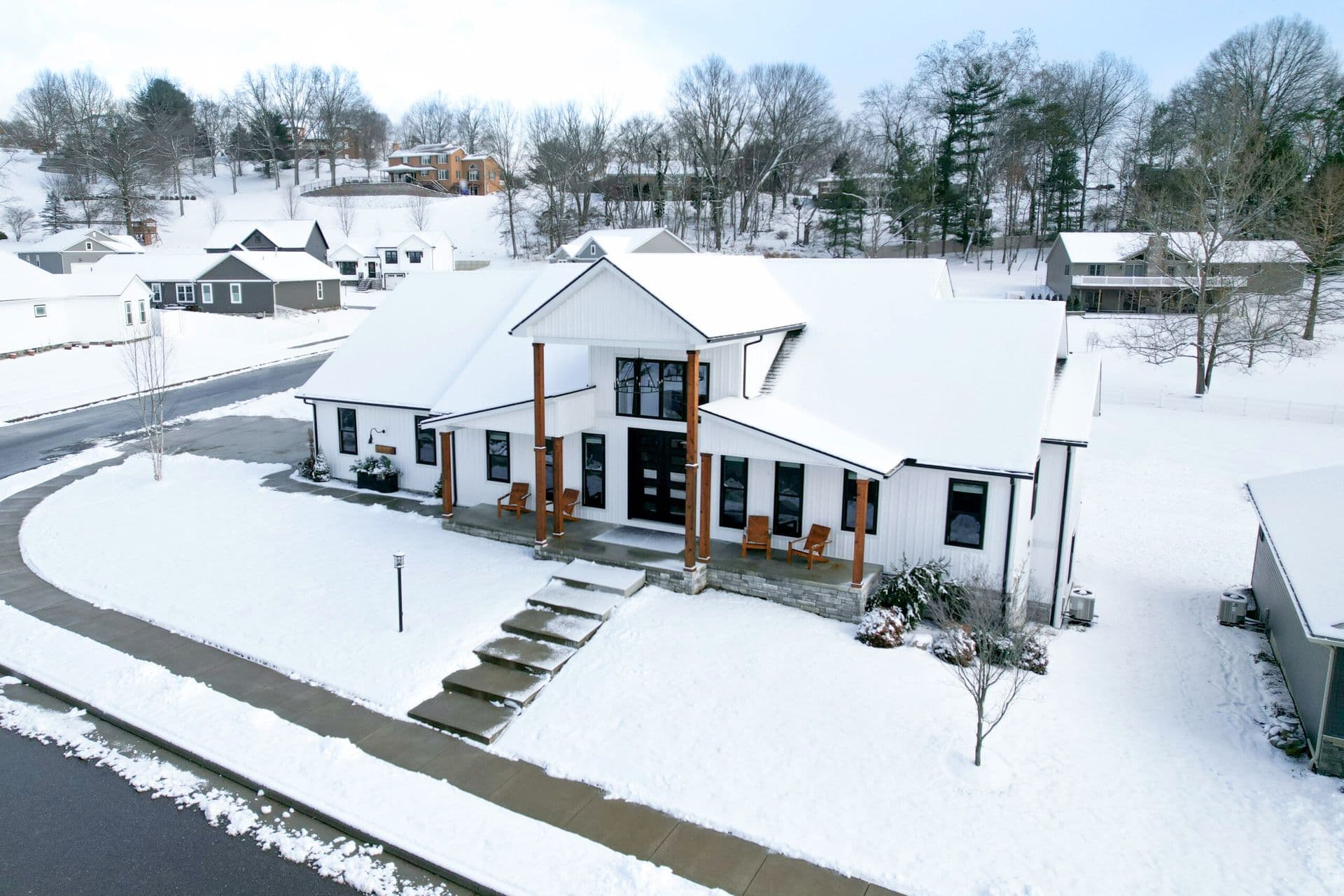
“You can’t put roofing on if it’s below a certain temperature,” says Paul. “The shingles won’t adhere.”
That’s because asphalt shingles rely on heat to properly seal, ensuring they stay watertight and resistant to wind. Below certain temperatures, the adhesive simply can’t activate.
“Windows and siding are less restrictive,” Paul continues, “but we still try to avoid full installs in freezing conditions because it opens your home up to those low temperatures.”
Even so, McCoy Roofing teams work year-round to plan, measure, and schedule projects so that when weather allows, crews can get straight to work. As Zach puts it, “It’s all about timing. We know when it’s safe to work—and when it’s smarter to wait.”
Why Is Winter Actually the Best Time to Plan a Home Project?
“If you want a good deal, buy it in winter,” says Zach. “Think of a roof like a convertible: most people think of it as summer-only, but if you want a deal, buy in winter.”
Each year, manufacturers raise material prices, often at the start of spring. Homeowners who schedule early can lock in current-year pricing before those increases hit.
Paul agrees. “You can lock in 2025 prices for 2026, which is cool,” he says. “If we have a couple months’ heads up, we can have everything ordered ahead of time—sitting and waiting for you.”
That preparation means when the weather warms up, McCoy’s crews can start right away—no waiting for back-ordered materials or congested spring schedules.
Do Adhesives and Sealants Even Work in the Cold?
“Siding is held on by nails,” Zach explains. “Roofs are held by glue. Glue doesn’t work in the cold.”
That’s why winter is the perfect time to prepare: getting inspections done, materials ordered, and financing arranged so everything’s ready to roll once temperatures rise.
By planning ahead in colder months, homeowners can avoid rushed spring timelines and start their projects as soon as the first warm day hits.
How Quickly Can New Windows or Siding Improve Energy Efficiency?
“Immediately,” says Paul.
Energy-efficient improvements like windows start making a difference the moment they’re installed.
“If you’re going to notice anything on your energy bills, it’s from windows—and you’ll notice that right away,” adds Zach. “If you stand in front of a new window, it won’t be burning hot or icy cold anymore. You’ll also notice the sound difference. Your house will generally be quieter after they’re installed—even with double panes, but triple panes make a big difference.”
That means better insulation, lower energy bills, and a quieter, more comfortable home—all year long.
Should Homeowners Wait Until Spring to Start Exterior Projects?
“Temperatures, really,” says Paul. “That’s the main reason to hold off.”
But waiting too long can push projects deep into the busy season, which means longer lead times and higher prices. “We can get you lined up,” Zach says. “You’re not the only one that wants something.”
Paul adds, “It’s usually better to plan ahead than to wait. That way, when spring arrives, you’re already at the top of the schedule.”
What’s the Smartest Next Step for Homeowners?
Cold weather might limit some installations, but it opens doors to smarter planning, better pricing, and faster scheduling. By starting your project in winter, you can lock in this year’s rates, secure your materials, and step into spring ready to go.
Request A Free Inspection!
+ 0% Interest for 24 Months

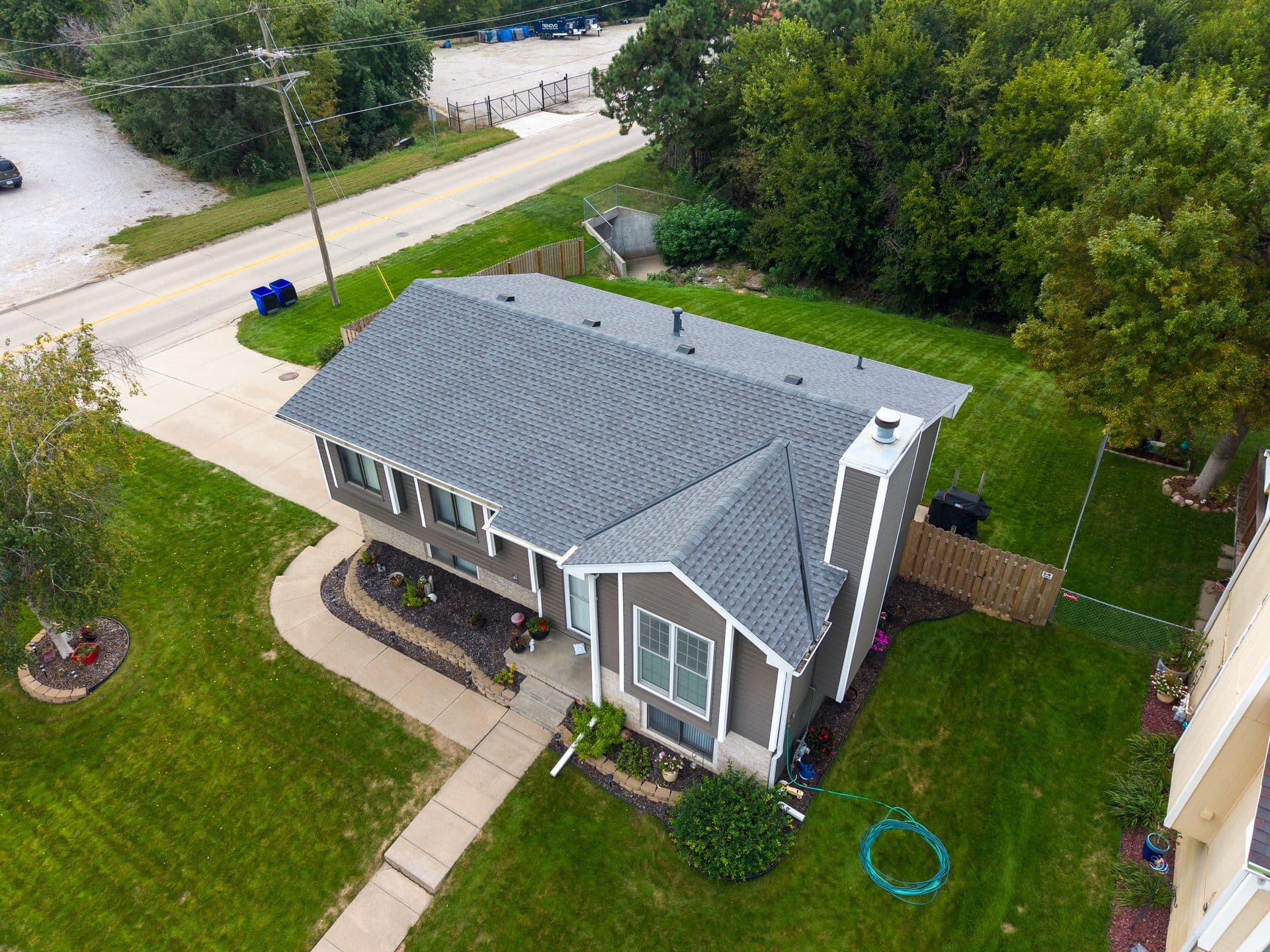

Start With a Free Roofing or Exterior Inspection in the Omaha-Lincoln Area
Begin your home or business upgrade with zero pressure and clear answers. Schedule your free home exterior review today using our easy online form, by phone, or in person at one of our local offices. Discover why so many Omaha and Lincoln neighbors trust McCoy Roofing for clarity, craftsmanship, and service that lasts.
Contact Us
-1213x485.jpg&w=1920&q=75&dpl=dpl_GYMrc4F7ZaFFq7iHFffXS1fRydYL)
Monday - Friday: 8am to 5pm
Monday - Friday: 8am to 5pm
Monday - Friday: 8am to 5pm
Monday - Friday: 8am to 5pm
Charlotte, NC 28210
Monday - Friday: 8am to 5pm