
Are subzero temperatures dangerous for most homes?
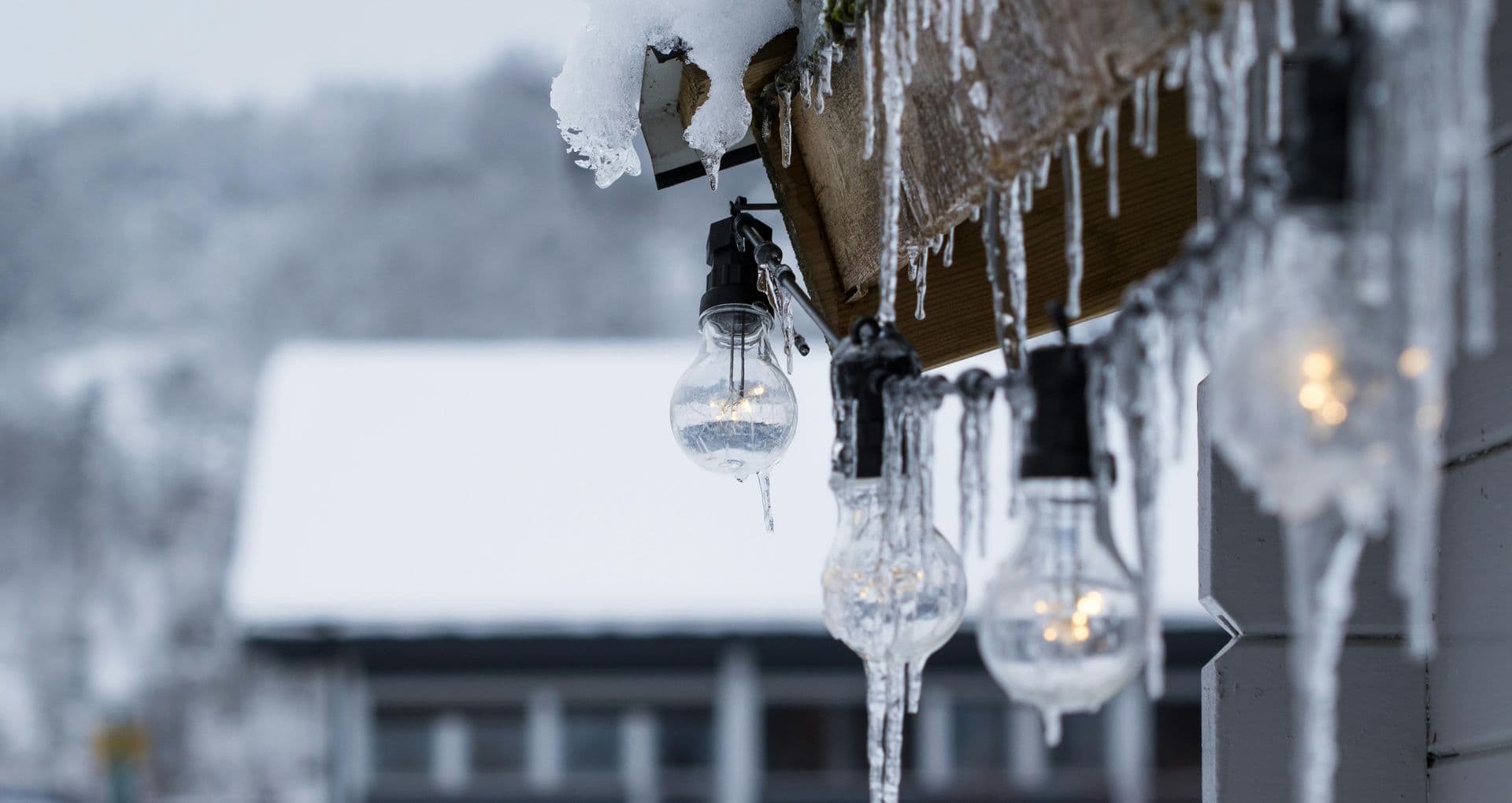
In most cases, no. Well-built and properly maintained homes are designed to handle cold weather, even extreme cold.
That said, subzero temperatures can expose existing weaknesses. Materials contract, seals stiffen, and small gaps that weren’t an issue in milder weather can become more noticeable. The cold itself isn’t usually the problem—it’s what the cold reveals.
How does extreme cold affect roofing materials?
Roofing materials expand and contract as temperatures change. When temperatures drop rapidly or remain extremely low for extended periods, shingles can become more brittle and less flexible.
This can lead to minor cracking or edge wear on aging shingles, loosening around fasteners or flashing, and increased vulnerability if debris or ice shifts on the roof.
These issues don’t always cause immediate leaks. More often, they weaken areas that may fail later during a thaw, heavy rain, or spring storm.
Can subzero weather damage siding?
Yes, especially if the siding is already aging or improperly installed.
Cold temperatures can cause siding materials to contract. Vinyl siding may become more rigid and prone to cracking if impacted, while wood siding can be affected as moisture within the material freezes and expands.
Common cold-weather siding concerns include small cracks or splits, panels pulling slightly away from the wall, and gaps forming at seams or corners.
What happens to windows and door seals in extreme cold?
Subzero temperatures can cause window and door seals to stiffen and shrink. When this happens, air infiltration becomes more noticeable, leading to drafts and reduced energy efficiency.
Homeowners may notice cold air near window frames, increased condensation on glass, or difficulty opening or closing windows and doors. These symptoms don’t always indicate immediate failure, but they often signal seals or caulking nearing the end of their lifespan.
Why does some damage not show up until spring?
This is one of the most important things for homeowners to understand.
Extreme cold often creates stress without visible damage. When temperatures rise again, materials expand, moisture moves, and weakened areas are tested. That’s when homeowners may notice leaks, loose siding, or interior water stains.
Winter creates the conditions. Spring reveals the results.
Should homeowners do anything during or after a subzero cold snap?
For most homeowners, the best approach is awareness—not panic.
If your home is comfortable, dry, and free of visible damage, there’s usually no urgent action required. Still, it’s wise to pay attention to new drafts, unusual sounds, or visible exterior changes once temperatures stabilize.
A professional inspection before spring weather arrives can help identify small issues early, when they’re simpler and less expensive to address.
The bottom line: what subzero temperatures really mean for your home
Most homes handle subzero temperatures just fine. But extreme cold can expose small vulnerabilities in roofing, siding, windows, and seals—issues that often go unnoticed until later.
At McCoy Roofing, we help homeowners understand how their entire exterior system works together. A proactive check after winter weather can provide peace of mind and help ensure your home is ready for the seasons ahead.
Visit mccoyroofing.com or call 402-616-7304 to schedule a winter roof inspection or storm review.
Request A Free Inspection!
+ 0% Interest for 24 Months
Start With a Free Roofing or Exterior Inspection in the Omaha-Lincoln Area
Begin your home or business upgrade with zero pressure and clear answers. Schedule your free home exterior review today using our easy online form, by phone, or in person at one of our local offices. Discover why so many Omaha and Lincoln neighbors trust McCoy Roofing for clarity, craftsmanship, and service that lasts.
Contact Us
-1213x485.jpg&w=1920&q=75&dpl=dpl_BK2UKyPZu7qppPk4hHnA6HkzyPw8)
Monday - Friday: 8am to 5pm
Monday - Friday: 8am to 5pm
Monday - Friday: 8am to 5pm
Monday - Friday: 8am to 5pm
Charlotte, NC 28210
Monday - Friday: 8am to 5pm