
Fun Facts About Roof Safety You Probably Didn’t Know
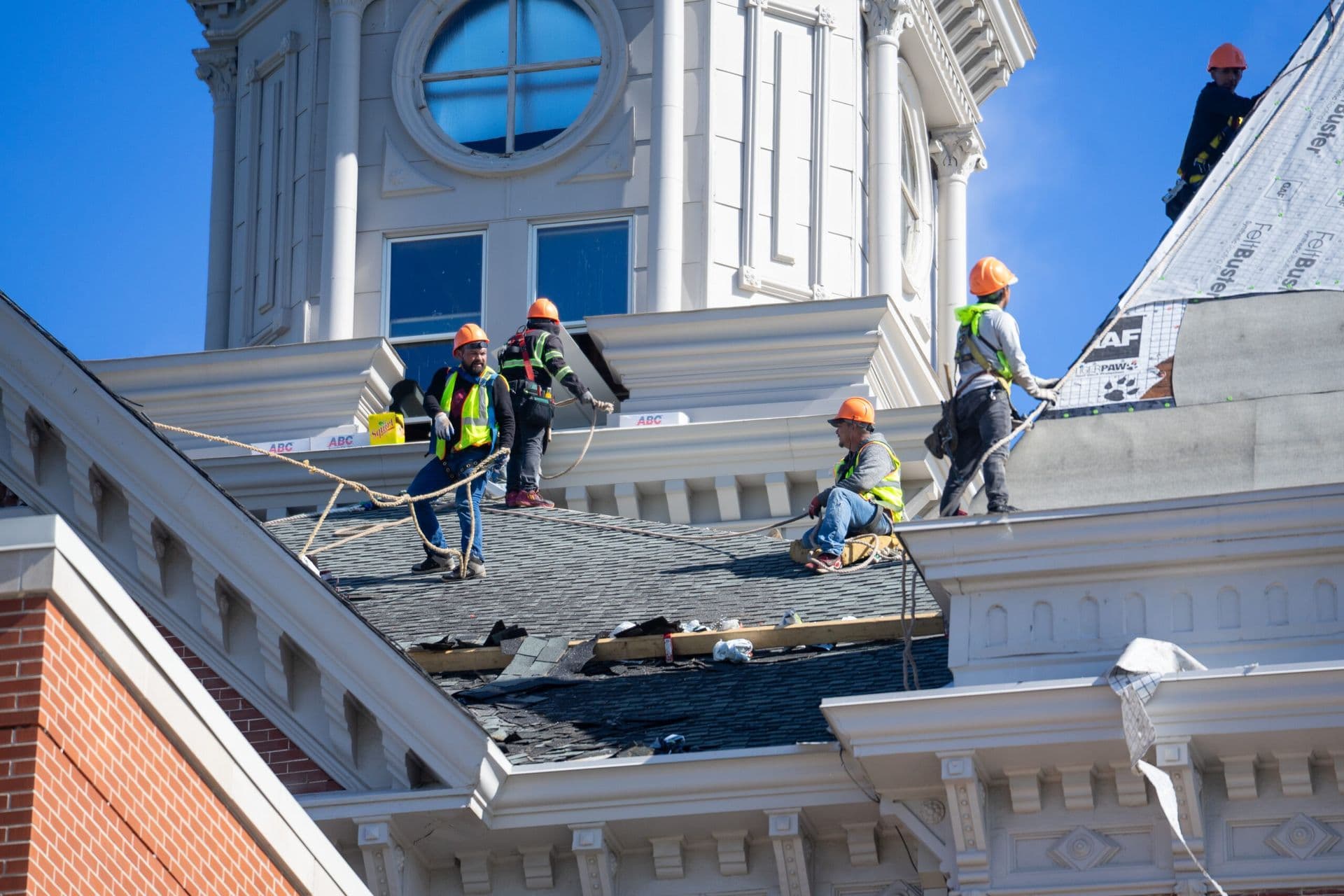
When most people think about roof safety, they picture someone with good balance walking carefully across shingles. But according to the experts at McCoy Roofing, safe roofing practices involve much more than balance. Roof safety requires specialized tools, knowledge of different materials, and plenty of preparation.
Here are some surprising facts about what it really takes to inspect and work safely on a roof.
Roof Safety and Steep Slopes
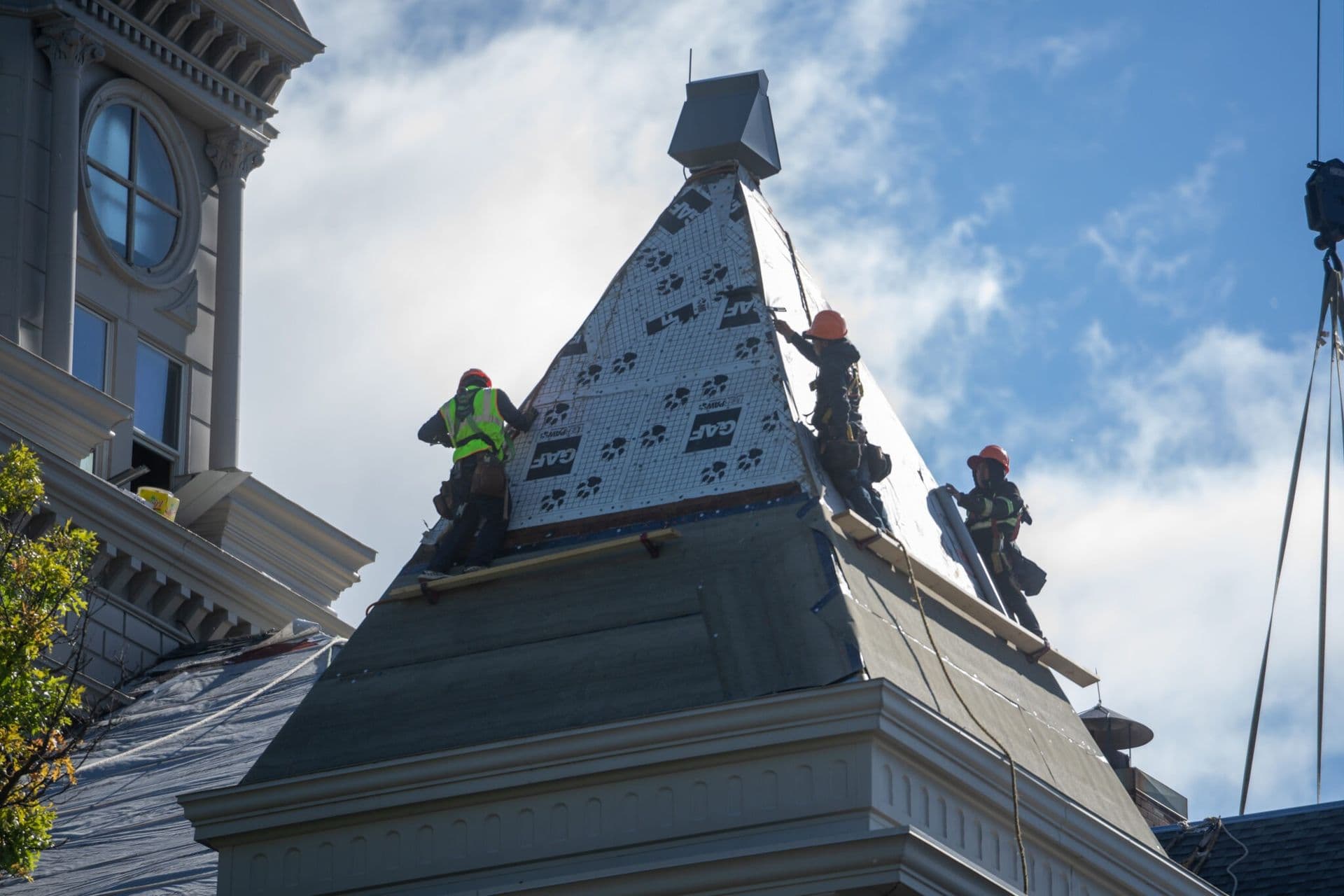
“The general rule of thumb is the steeper it is, the more dangerous it is,” our team explains. But steepness isn’t the only risk factor. For example, metal roofs can become extremely slippery when dust builds up, and wood shake or tile roofs can stay wet for days after a storm.
That’s why you shouldn’t be surprised if a roofing professional hesitates to walk on certain surfaces. On wood shake, DaVinci, or tile roofs, even careful steps can cause damage—or create unsafe conditions for the person walking on them.
Shingle Roofs and Safety Risks
Asphalt shingle roofs are the most common type across Nebraska, but even they come with roof safety concerns.
“If it’s a really old roof, potentially you could step on a shingle and it pulls out,” our team notes. And even with newer shingles, there’s one golden rule for roof inspection safety: never walk on a roof when it’s wet.
Another overlooked danger is the ladder itself. Tying off your ladder properly is one of the most important roof safety steps you can take.
Roofing Safety Tools Professionals Use
To an untrained eye, a roofing crew might look like mountaineers—and that’s not far from the truth. Crews often wear harnesses and use specialized tools for roof safety when working on steep slopes. Some of the equipment includes:
- Goat hook: A specialized tool that provides stability during inspections.
- Cougar or Tiger Paw device: Used for traction and anchoring.
- Foam cushions: Roofers sometimes straddle cushions that not only make sitting more comfortable but also prevent slipping.
“That foam is amazing,” one of our team members says. “It’s not just a pad, but it actually prevents you from slipping off the roof.”
The Bottom Line on Roof Safety
Roof safety is more than balance—it’s about preparation, equipment, and experience. From understanding how different materials behave after storms to using specialized safety tools on steep slopes, professionals take every precaution to protect themselves and your home.
Thinking about climbing up to check your own roof? Leave it to the experts. McCoy Roofing offers free roof inspections so you don’t have to take unnecessary risks.
Schedule your free roof inspection today with McCoy Roofing—and stay safely on the ground.
Request A Free Inspection!
+ 0% Interest for 24 Months

Start With a Free Roofing or Exterior Inspection in the Omaha-Lincoln Area
Begin your home or business upgrade with zero pressure and clear answers. Schedule your free home exterior review today using our easy online form, by phone, or in person at one of our local offices. Discover why so many Omaha and Lincoln neighbors trust McCoy Roofing for clarity, craftsmanship, and service that lasts.
Contact Us
-1213x485.jpg&w=1920&q=75&dpl=dpl_GYMrc4F7ZaFFq7iHFffXS1fRydYL)
Monday - Friday: 8am to 5pm
Monday - Friday: 8am to 5pm
Monday - Friday: 8am to 5pm
Monday - Friday: 8am to 5pm
Charlotte, NC 28210
Monday - Friday: 8am to 5pm