
Choosing the Right Shingle Color Before You Replace Your Roof
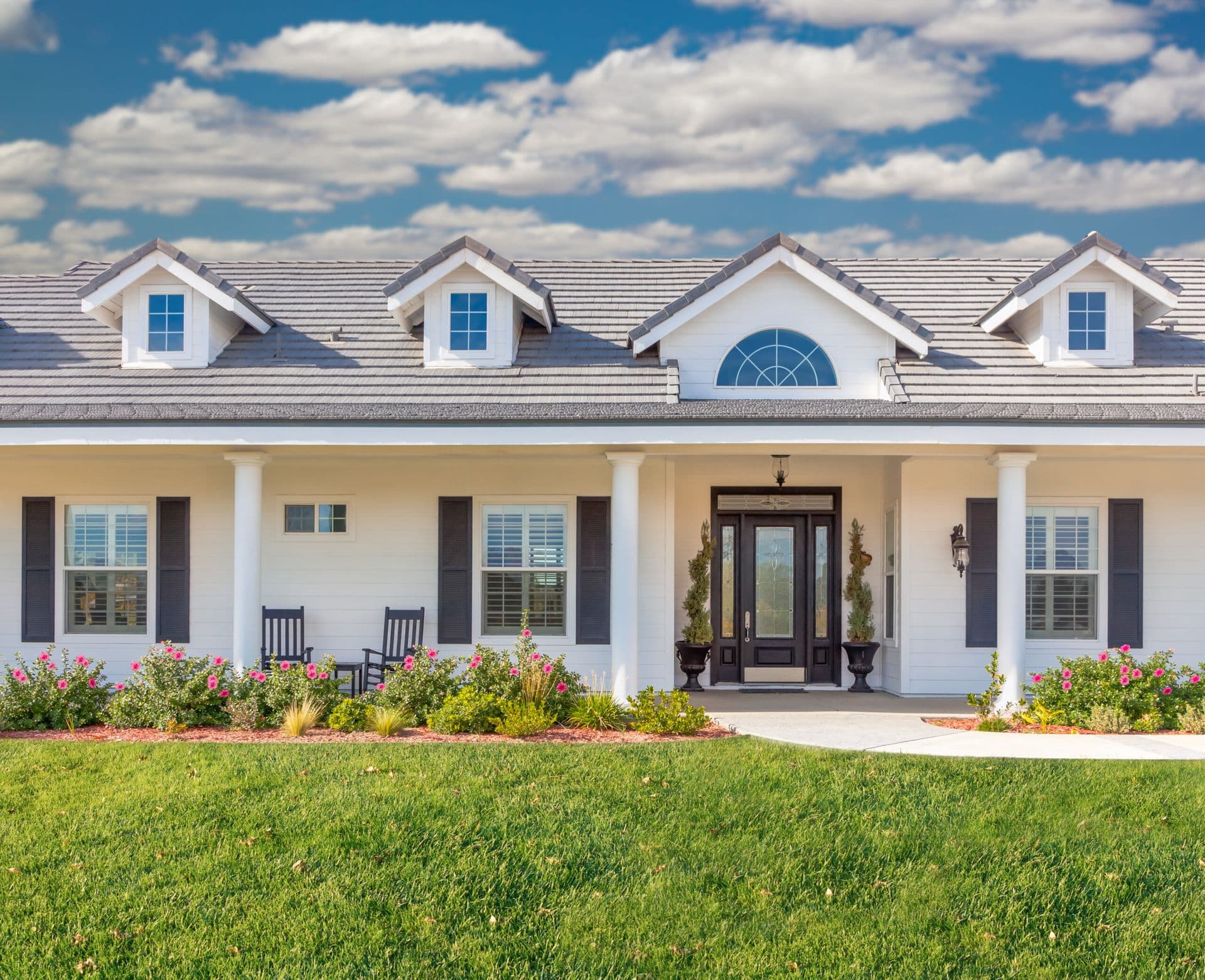
When it’s time to replace your roof, most homeowners focus on material, warranty, or storm resistance. However, there’s another crucial decision that impacts not only your home’s value but also its comfort, longevity, and even future curb appeal: selecting the right roof color.
“It’s a lot cheaper and easier to paint your house,” says Zach Varadi, Sales Manager at McCoy Roofing. “So if you’re getting a new roof, plan for what your home will look like in the next 5 to 10 years—not just what it looks like now.”
How Shingle Color Impacts Resale and Curb Appeal
Zach’s been in roofing long enough to notice the trends. “What I see is the most popular, least popular, where I see trends going,” he says.
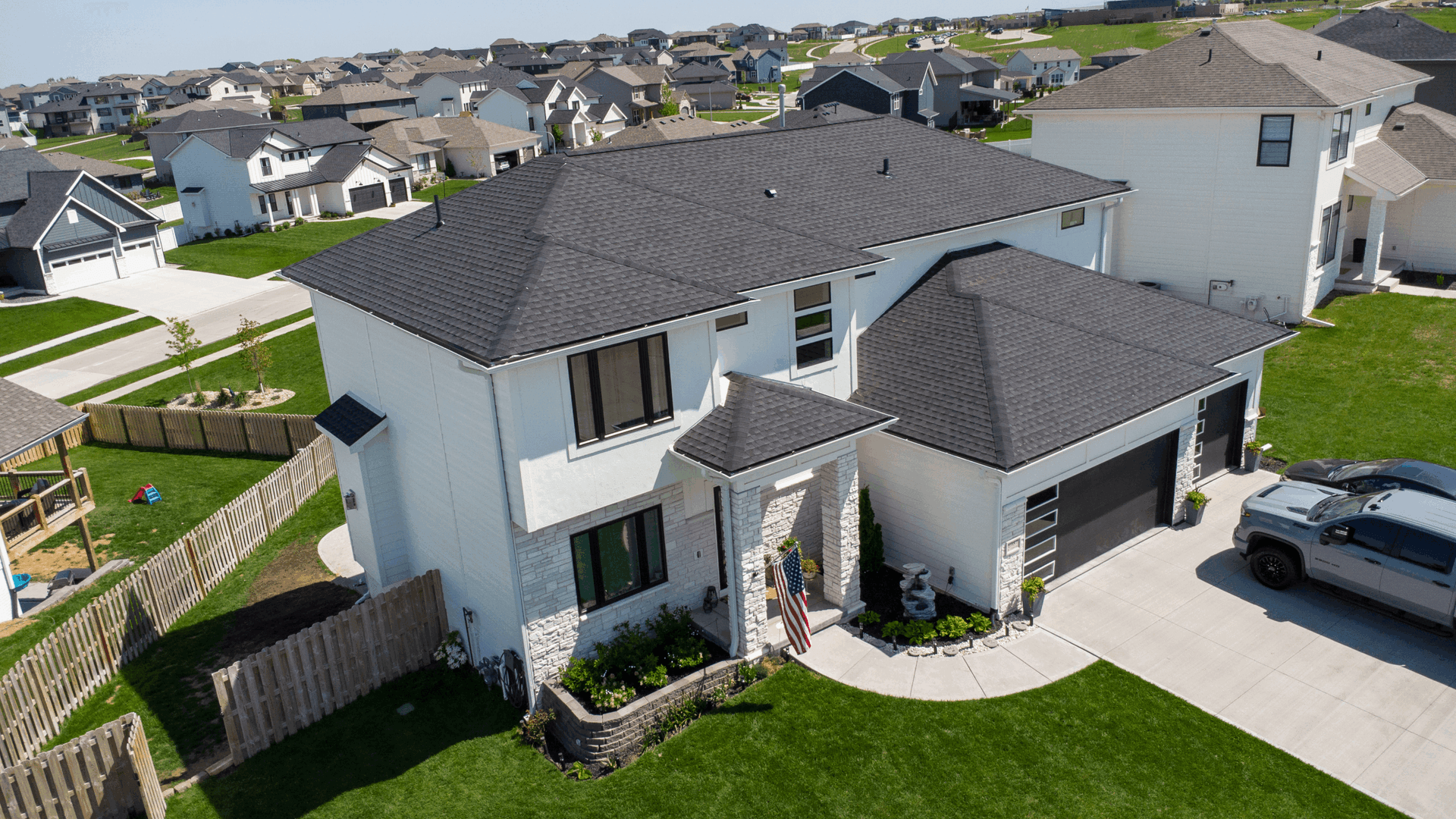
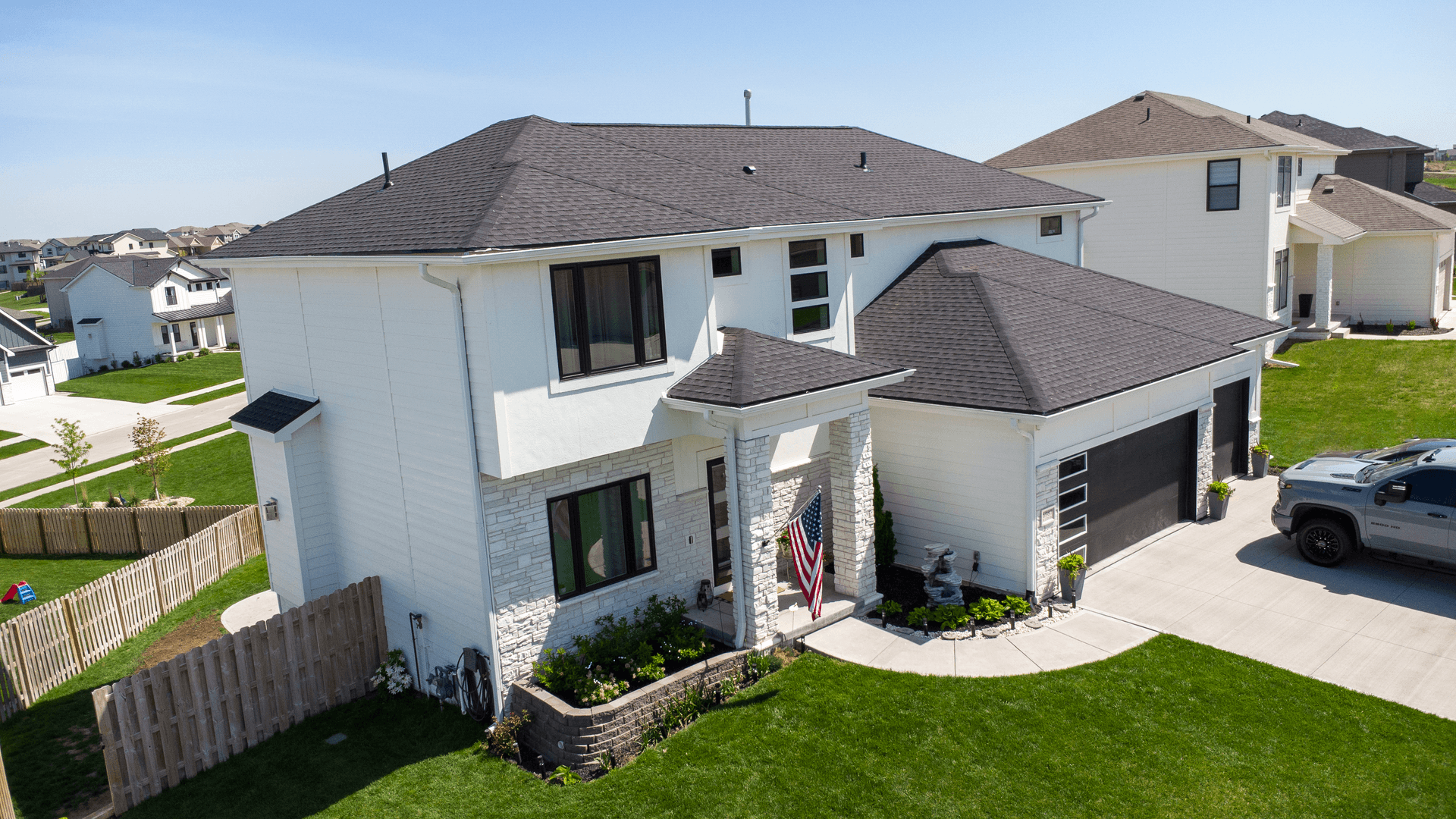
His advice: if this is your forever home, choose what you love. If you’re planning to sell in a few years, play it safe with neutral tones. “Believe it or not, black is considered neutral in current markets,” Zach add. “But if you’re not sure what to do, go with the safe bet: weathered wood or charcoal.”
Charcoal is the most popular color McCoy sells, with weathered wood close behind.
“Weathered wood—I like to call it ‘roof color,’” Zach jokes. “I’ve never heard someone say, ‘Ugh, I hate weathered wood.’”
Do Darker Shingle Colors Really Make Your Roof Hotter?
There’s a lot of debate about whether darker shingles heat your home more. The answer? Slightly—but probably not enough to worry about.
“The darker shingle will be hotter, it is a fact,” Zach says, “but if you’re on top of a roof, it’s gonna be hot regardless.”
Paul Browne, McCoy’s operations manager, adds that ventilation is far more important than shingle color when it comes to energy efficiency.
“Proper attic ventilation will do more to regulate temperature and prevent damage than just choosing a lighter color,” Paul says.
And while darker shingles may slightly impact heat, we’re talking pennies on the dollar. “I always say this one little do-dad,” Zach says with a grin. “You’re looking at a 2%–3% energy difference—it equates to pennies.”
How Shingle Color and Quality Reveal Algae Stains
Shingle color isn’t just about aesthetics—it can also influence how clean your roof looks over time, especially in humid or shaded areas where algae tends to grow.
“You’ll notice it all the time,” says Zach. “Where there’s a vent and there’s a streak—that’s not rust. That’s algae.”
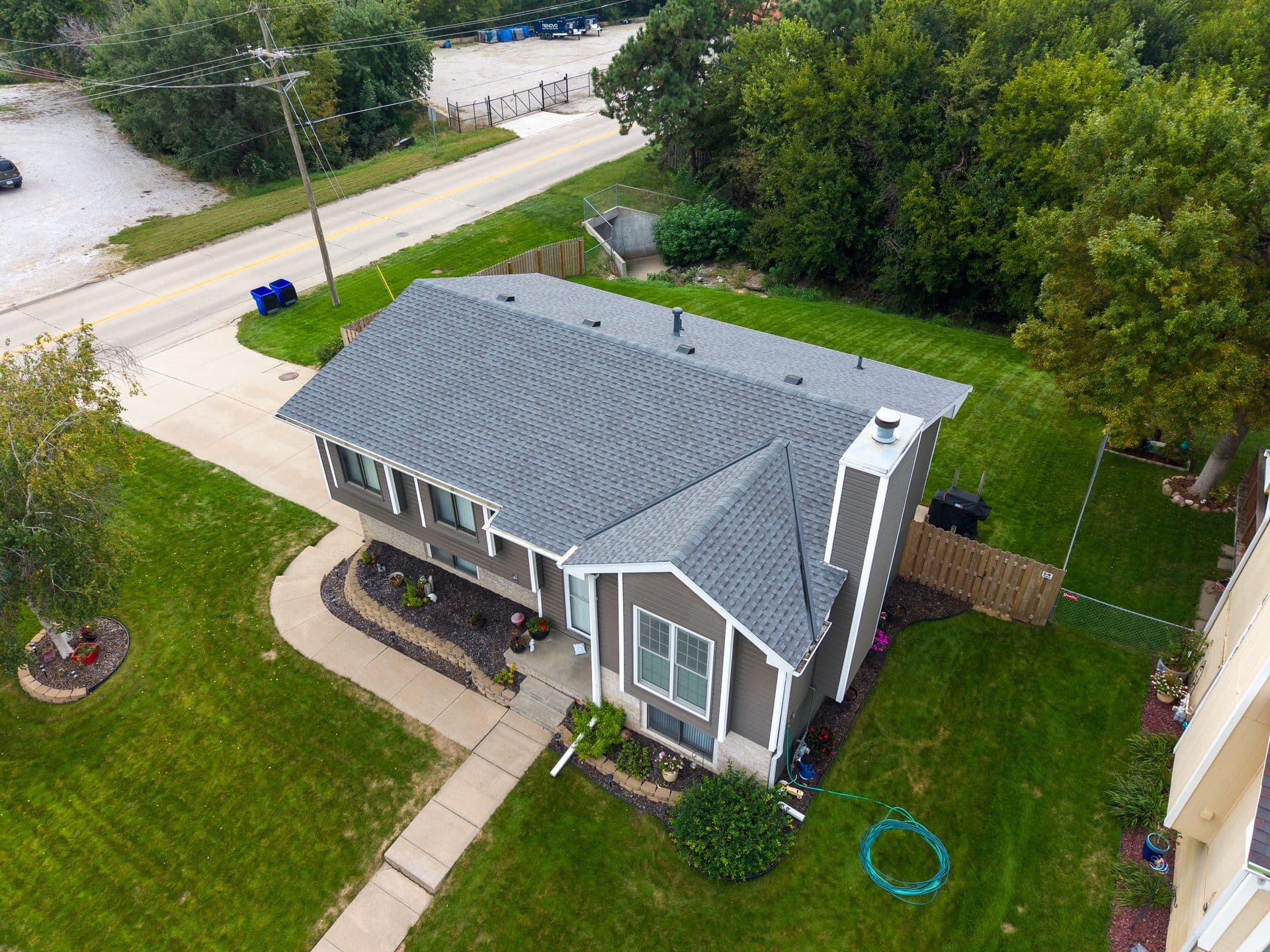
Most high-quality shingles are designed to prevent this by using a protective layer that includes copper, which naturally resists algae growth. But the problem? On many shingles, that copper coating wears away within just a few years.
“With GAF, we use the same copper that’s in Scotchgard,” Zach explains, “but it’s encased in plastic, so it releases more slowly and lasts longer.”
Pro tip: Never power wash your roof. A soft chemical wash can help if stains do appear, but your best defense is choosing a shingle designed to prevent it in the first place.
Matching Shingle Color with Gutters, Trim, and Vents
While roof color is the star of the show, matching your other exterior features matters too—especially gutters, vents, and soffit trim.
“As far as gutters, although extremely trendy, black gutters come with a price,” Zach explains. “The cost of looking cool is cleaning.”
Black gutters tend to show dust and dirt more, and while they can look sharp, they require more maintenance to stay pristine. “They make work trucks white for a reason,” he adds. “White gutters look clean, classic, and don’t show dirt as much.”
Zach estimates that about 75% of McCoy’s customers go with white gutters—and for good reason.
“Just know what you’re getting into,” he says. “The darker it is, the more it’ll show.”
Bonus Tips from the Pros
- Roof penetrations matter. Paul reminds homeowners to make sure everything sticking through the roof—vents, valleys, and pipes—is sealed properly.
- Metal valley color is limited. “There are way more shingle colors than valley colors,” says Zach, so plan around what’s available for trim metals.
- Vent style can be upgraded. You can always choose more aesthetic options for vents and intake systems if you’re looking to boost curb appeal.
And Zach’s personal favorite shingle color? “My favorite color is called Appalachian Sky. It’s a little darker, has some red and some brown,” he says with a smile. “I call it weathered wood plus.”
Choose a Shingle Color That Fits Your Home—and Your Plans
When choosing the right roof color, there’s no single “correct” answer. Instead, think about your goals for the home, your future plans, and the overall look you want to achieve.
“Build the house you want,” says Zach. “Unless you’re selling it—then build the house that everyone wants.”
And remember: all colors cost the same, so you’re free to choose based on what fits your home, not your budget.
Not Sure What Shingle Color to Choose? Let’s Talk.
At McCoy Roofing, we’re happy to sit down and show you real-life samples of every color we install. Whether you’re updating your home to sell or finally putting on the roof you’ve always wanted, we’ll help you choose with confidence.
Schedule a consultation today to view shingle colors in person—and get expert advice from a team that sees the full picture.
Request A Free Inspection!
+ 0% Interest for 24 Months
Start With a Free Roofing or Exterior Inspection in the Omaha-Lincoln Area
Begin your home or business upgrade with zero pressure and clear answers. Schedule your free home exterior review today using our easy online form, by phone, or in person at one of our local offices. Discover why so many Omaha and Lincoln neighbors trust McCoy Roofing for clarity, craftsmanship, and service that lasts.
Contact Us
-1213x485.jpg&w=1920&q=75&dpl=dpl_GYMrc4F7ZaFFq7iHFffXS1fRydYL)
Monday - Friday: 8am to 5pm
Monday - Friday: 8am to 5pm
Monday - Friday: 8am to 5pm
Monday - Friday: 8am to 5pm
Charlotte, NC 28210
Monday - Friday: 8am to 5pm